
Autoimmune Gastritis or Perimenopause? Overlapping symptoms
Distinguish between autoimmune gastritis symptoms in women over 40 vs perimenopause. Learn about B12 deficiency, low stomach acid, and how to get tested.
Published:
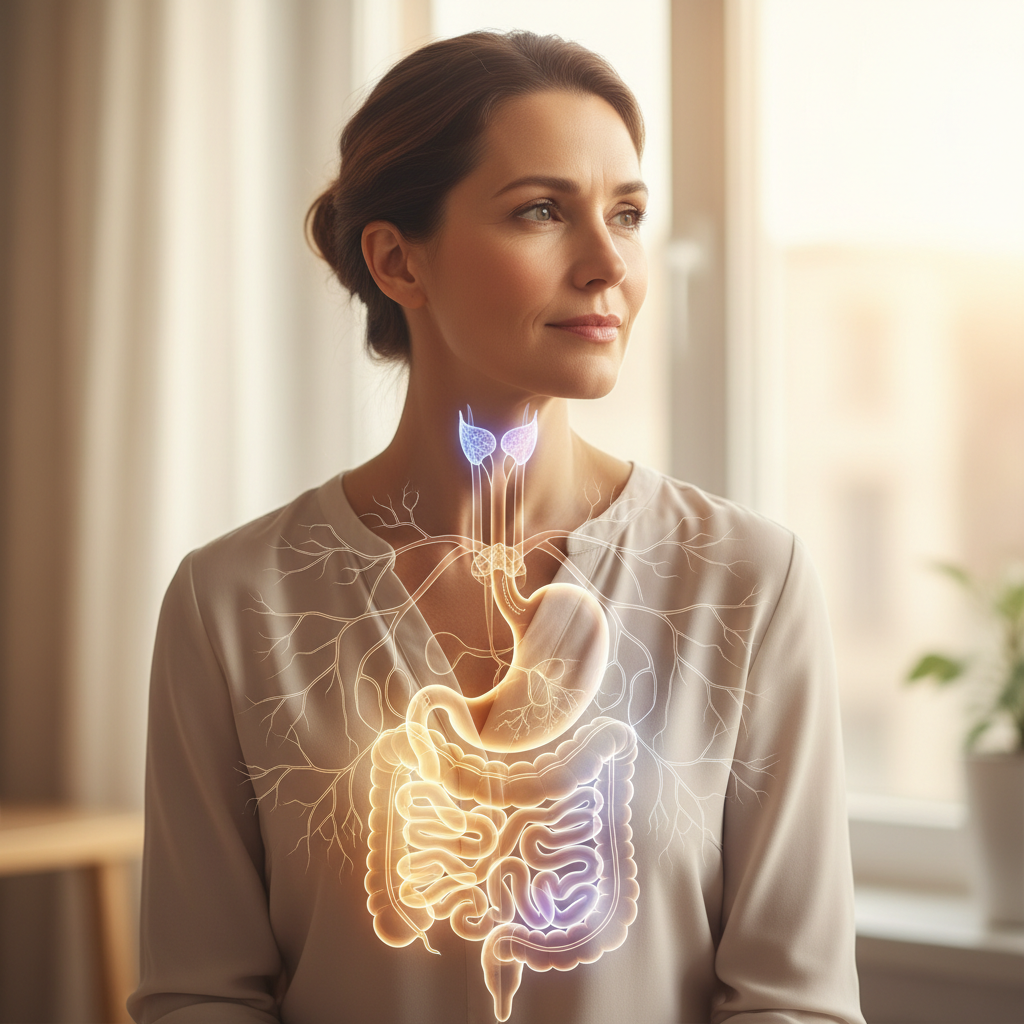
You are navigating your 40s, a decade where your body undergoes profound shifts. Perhaps you’ve been feeling a crushing fatigue that caffeine cannot touch, or a persistent bloating that feels deeper than just a "bad meal." When these symptoms strike, the most common culprit discussed is perimenopause. However, there is a hidden mimic that often goes undetected in women over 40: Autoimmune Gastritis (AIG).
Because both conditions can cause exhaustion, mood changes, and digestive distress, it is crucial to understand where one ends and the other begins. Understanding autoimmune gastritis symptoms in women over 40 vs perimenopause is not just about symptom management—it is about preventing long-term complications like severe anemia and neurological damage.
What is autoimmune gastritis and why is it often missed after 40?
Autoimmune gastritis is a chronic inflammatory condition where your immune system mistakenly attacks the parietal cells in the stomach lining. These cells are responsible for producing hydrochloric acid and intrinsic factor—a protein necessary for Vitamin B12 absorption.
According to the National Institutes of Health (NIH), AIG is often asymptomatic in its early stages but can lead to pernicious anemia and gastric atrophy over time. In women over 40, this diagnosis is frequently missed because its primary symptoms—fatigue, brain fog, and digestive upset—align almost perfectly with the perimenopause symptoms checklist.
The medical community is increasingly recognizing that autoimmune conditions are more prevalent in women, particularly during windows of hormonal transition. If you are already managing other conditions, such as Hashimoto’s and perimenopause, your risk for AIG may be higher, as autoimmune diseases frequently cluster together.
How do B12 deficiency symptoms mimic perimenopause fatigue?
One of the hallmark results of autoimmune gastritis is a profound Vitamin B12 deficiency. Because AIG destroys the "intrinsic factor" needed to absorb B12 from food, you can develop a "silent" deficiency even if you eat meat and dairy.
The fatigue associated with B12 deficiency is not just "tiredness." It is a heavy, limb-weighting exhaustion that mirrors the hormonal "crash" many women feel during perimenopause.
| Symptom | B12 Deficiency (AIG) | Perimenopause |
|---|---|---|
| Fatigue | Constant, heavy, often accompanied by weakness | Fluctuating, often worse after poor sleep |
| Cognitive | "Brain fog," memory loss, potential tingling in hands | Difficulty concentrating, "word searching" |
| Mood | Irritability, depression, or apathy | Anxiety, mood swings, rage |
| Physical | Sore tongue, pale skin, balance issues | Hot flashes, night sweats, joint pain |
When you are dealing with fibromyalgia and perimenopause symptoms, the added layer of B12 deficiency can make pain sensations feel even more acute. The Mayo Clinic notes that B12 is essential for nerve health; without it, the "pins and needles" sensation often attributed to perimenopausal circulation issues may actually be the start of peripheral neuropathy caused by AIG.
Can perimenopause hormones trigger an autoimmune stomach flare?
The relationship between estrogen and the immune system is complex. Estrogen generally has an anti-inflammatory effect at stable, physiological levels. However, the "estrogen rollercoaster" of perimenopause—where levels spike and crash unpredictably—can disrupt immune tolerance.
Research suggests that sex hormones play a significant role in the development of autoimmune diseases. According to a study published via PubMed/NIH, the decline in estrogen during the menopausal transition can alter the gut microbiome and the integrity of the gastric mucosa. This hormonal instability might not "cause" AIG from scratch, but it can certainly act as a catalyst for a dormant autoimmune response to flare up, making stomach inflammation significantly worse.
Many women find that their digestive issues track with their menstrual cycle, becoming more pronounced during the low-estrogen luteal phase. This can make it difficult to determine if the nausea is a direct result of hormones or a symptom of the diminished stomach acid characteristic of AIG.
Is your nausea caused by low stomach acid or hormone shifts?
Nausea is a frequent complaint for women in their 40s. In perimenopause, nausea is often linked to the way fluctuating hormones affect the equilibrium and the digestive tract’s motility. However, in autoimmune gastritis, nausea has a chemical root: hypochlorhydria (low stomach acid).
When the parietal cells are destroyed by the immune system, the stomach can no longer produce enough acid to break down proteins effectively. This leads to:
- Food "sitting" in the stomach for too long (delayed gastric emptying).
- Occasional acid reflux—counterintuitively, low acid can cause the esophageal sphincter to stay open, allowing what little acid remains to splash up.
- Feeling full after only a few bites of food (early satiety).
If you are considering HRT for perimenopause, you may find that some digestive symptoms improve as hormones stabilize. However, if the nausea persists despite hormone replacement, it is time to investigate the health of your gastric lining.
How to distinguish between perimenopause bloating and gastric inflammation?
"Menopose belly" or perimenopausal bloating is often related to perimenopause insulin resistance signs and the way the body redistributes fat and retains water. Gastric inflammation (gastritis), however, feels different.
Perimenopausal bloating usually fluctuates throughout the day and is often related to fluid retention or gas. Gastritis bloating is often localized to the upper abdomen (the "epigastric" region) and may be accompanied by a dull ache or a burning sensation that intensifies after eating.
A simple way to track this is to keep a food and symptom journal. If your bloating occurs specifically after high-protein meals (which require high acid to digest) regardless of where you are in your cycle, the issue may be your stomach's ability to produce hydrochloric acid rather than hormonal fluctuations.
What tests do you need to rule out autoimmune gastritis?
If you suspect your symptoms extend beyond the normal transition into menopause, advocacy is your best tool. You shouldn't settle for "it's just age" or "it's just hormones."
To accurately diagnose autoimmune gastritis and distinguish it from perimenopause, your doctor should consider the following diagnostic path:
- Anti-Parietal Cell Antibodies (APCA): This blood test looks for the antibodies that attack the stomach cells.
- Anti-Intrinsic Factor Antibodies: Positive results are highly specific for AIG and pernicious anemia.
- Serum Gastrin-17: High levels of gastrin often indicate that the stomach is overcompensating for low acid.
- Vitamin B12 and Ferritin Levels: Low levels of both can indicate malabsorption in the gut.
- Upper Endoscopy with Biopsy: This is the gold standard. A gastroenterologist can visually inspect the stomach lining for atrophy and take tissue samples to confirm the presence of autoimmune signatures.
According to the Cleveland Clinic, early detection through these tests can prevent the progression to more serious conditions like gastric polyps or carcinoid tumors.
Natural ways to manage stomach health during the perimenopause transition?
While medical intervention (like B12 injections for AIG or HRT for perimenopause) is often necessary, supporting your gut health naturally can ease the transition.
- Betaine HCL with Pepsin: If confirmed to have low stomach acid (and no ulcers), taking a hydrochloric acid supplement can help your body break down protein and absorb minerals. Always consult a professional before starting.
- Apple Cider Vinegar: A tablespoon in water before meals may provide a mild acidic boost to aid digestion.
- Anti-Inflammatory Diet: Focus on the Mediterranean pattern—high in omega-3s, antioxidants, and fiber—to lower systemic inflammation.
- B12-Fortified Foods or Sublinguals: Since AIG hinders stomach absorption, sublingual (under the tongue) B12 bypasses the stomach entirely, as do B12 injections.
- Stress Management: The gut-brain axis is highly sensitive. Cortisol (the stress hormone) can further inhibit stomach acid production.
Navigating the transition of your 40s requires a holistic view of your health. By understanding the mimicry between autoimmune gastritis and perimenopause, you can ensure that your "second spring" is characterized by radiance and energy, rather than the shadow of an undiagnosed condition. If you feel like your "perimenopause" is hitting your stomach harder than your peers, trust your intuition and ask for the specific tests that check for the health of your gastric lining.
In truth, the body is an interconnected system. Managing your perimenopause insulin resistance signs and balancing your hormones can provide the best environment for your immune system to remain calm, helping you manage or even prevent the flares of autoimmune gastritis. Your health is not a series of isolated symptoms; it is a conversation between your hormones, your immune system, and your gut. It’s time to listen closely.
FAQ
Common questions
Can perimenopause cause autoimmune gastritis to flare?
Yes, the shift in hormones like estrogen and progesterone can affect gut motility and the immune system's inflammatory response, potentially triggering or worsening autoimmune gastritis symptoms.
How do I know if my fatigue is B12 deficiency or perimenopause?
While perimenopause causes general fatigue, B12 deficiency (often caused by AIG) typically includes neurological symptoms like tingling in hands/feet, balance issues, and a significantly sore or swollen tongue.
What is the best blood test to check for autoimmune gastritis?
Testing for Anti-Parietal Cell Antibodies and Anti-Intrinsic Factor Antibodies, along with a serum Gastrin test, can help identify AIG. An upper endoscopy is the most definitive diagnostic tool.
Does autoimmune gastritis cause low stomach acid?
Low stomach acid (hypochlorhydria) is a primary feature of AIG. It leads to poor protein digestion, bloating in the upper abdomen, and deficiencies in iron and B12.
Is there a link between Hashimoto's and autoimmune gastritis?
Yes. Autoimmune conditions often occur together. Women with Hashimoto's are at a higher risk for developing autoimmune gastritis due to shared genetic and immune pathways.
How can I tell the difference between 'menopause belly' and gastritis bloating?
AIG bloating is usually localized to the upper abdomen and occurs after eating, while perimenopause bloating is often lower abdominal and fluctuates throughout the day regardless of food intake.
Want this in your inbox each Sunday?
New articles, the science you can actually use, and the occasional rant.
Keep reading

Perimenopause Symptoms Checklist: 38 Signs You're Not Imagining
A comprehensive, doctor-reviewed checklist of perimenopause symptoms — from the obvious hot flashes to the weird ones nobody warned you about.
9 min read

Hashimoto's and Perimenopause: Why Symptoms Overlap (and How to Tell Them Apart)
Fatigue, brain fog, weight gain, hair loss — Hashimoto's and perimenopause share most symptoms. Here's how to tell what's flaring, what's hormonal, and what to ask your doctor.
11 min read

Fibromyalgia and Perimenopause: When Two Storms Collide
Why fibromyalgia almost always flares during perimenopause, what changes in your nervous system, and the small daily shifts that actually help.
10 min read