
Perimenopause Insulin Resistance: 9 Early Signs Most Doctors Miss
Belly weight gain, afternoon crashes, sugar cravings, dark skin patches — the early signs of perimenopausal insulin resistance, and what to actually do about it.
Published:
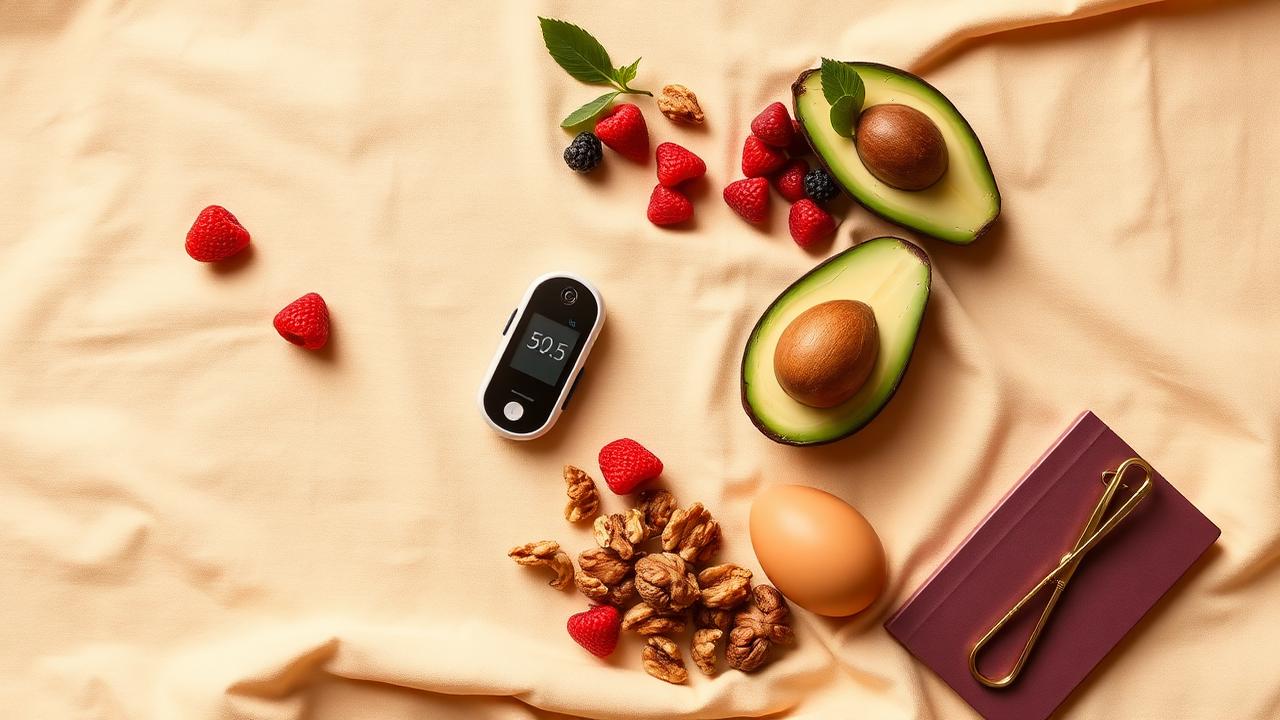
For two years I ate the same way I always had. I worked out the same. And my pants kept getting tighter, all in one specific zone — the front of my belly. My fasting glucose was normal. My A1c was normal. My doctor said I just needed to “cut carbs and walk more.” What he didn't test — what almost no one tests in perimenopausal women — was my fasting insulin.
What perimenopause does to insulin
Estrogen helps your muscle cells respond to insulin, opening the door for glucose to leave your bloodstream and get used as fuel. As estrogen declines and swings during perimenopause, that signaling gets sluggish. Your pancreas compensates by pumping out more insulin to do the same job. Glucose stays normal — insulin quietly climbs. Visceral fat increases, which makes insulin resistance worse, which raises insulin further. The loop tightens.
Studies estimate that up to 50% of women develop measurable insulin resistance during the menopausal transition, often years before fasting glucose or HbA1c become abnormal.
The 9 early signs most doctors miss
- Belly-only weight gain while the rest of your body stays roughly the same size.
- Afternoon energy crashes 2–3 hours after lunch, often with sweating or shakiness.
- Intense carb or sugar cravings, especially in the late afternoon and evening.
- Skin tags appearing on the neck, underarms, or eyelids.
- Dark velvety patches (acanthosis nigricans) on the back of the neck or in skin folds.
- Sleep that doesn't feel restorative, even at 8 hours.
- Brain fog that worsens after carb-heavy meals.
- New PCOS-like symptoms: facial hair, acne, irregular periods worsening.
- Triglycerides creeping up while LDL stays flat (a classic insulin-resistance pattern).
The labs to actually request
| Test | What it tells you | Aim for |
|---|---|---|
| Fasting insulin | How hard your pancreas is working | Below 7 μIU/mL |
| Fasting glucose | Standard screen (often still normal) | 70–90 mg/dL |
| HOMA-IR | Insulin × glucose ÷ 405 | Below 1.9 |
| HbA1c | 3-month glucose average | Below 5.4% |
| Triglyceride : HDL ratio | Indirect insulin-resistance marker | Below 2.0 |
What actually moves the needle
- 30+ grams of protein at breakfast. This single shift — eggs, Greek yogurt, cottage cheese — changes glucose stability for the entire day and crushes afternoon cravings.
- Strength training, 2–3 times a week. Muscle is your largest glucose sink. Studies show 12 weeks of consistent strength work improves insulin sensitivity by 25–40% in perimenopausal women.
- 10-minute walks after meals. Drops post-meal glucose spikes by 20–30% in studies. The easiest, most-skipped intervention there is.
- Sleep above 7 hours. One bad night raises insulin resistance by ~25% the next day. This is why night sweats are a metabolic problem, not just a sleep problem.
- Consider transdermal HRT. Multiple studies show estrogen patches improve insulin sensitivity and reduce visceral fat in perimenopausal women.
- 2-week CGM trial. Wearing a continuous glucose monitor (Dexcom Stelo, Lingo) reveals which “healthy” foods spike you. Oatmeal, smoothies, and white rice are common offenders.
- Metformin or GLP-1 medications if lifestyle alone isn't enough — ask about both, especially if HOMA-IR is high.
Why this matters now, not later
Insulin resistance in midlife is the single biggest predictor of postmenopausal type 2 diabetes, cardiovascular disease, and dementia. Catching it during perimenopause — before fasting glucose breaks — is the widest window you'll get to change the trajectory.
Your belly is not betraying you. Your hormones are giving you information. Listen, then test, then act.
FAQ
Common questions
Why does perimenopause cause insulin resistance?
Estrogen helps muscle cells respond to insulin and pull glucose out of the bloodstream. As estrogen falls in perimenopause, that signaling weakens. Cortisol from disrupted sleep and progesterone loss makes it worse, leading to higher fasting insulin even when glucose still looks normal.
What test detects perimenopause insulin resistance?
Ask for fasting insulin and a HOMA-IR calculation (insulin × glucose ÷ 405). HOMA-IR above 1.9 suggests early insulin resistance. A normal HbA1c does not rule it out — that's the most common reason women get told they're 'fine' when they're not.
Can HRT help insulin resistance?
Transdermal estrogen has been shown in multiple studies to improve insulin sensitivity and reduce visceral fat in perimenopausal women. It's not a weight-loss drug, but it removes one of the drivers.
Is it too late if I'm already postmenopausal?
No. Strength training, protein-forward eating, and sleep recovery improve insulin sensitivity at any age. Studies in postmenopausal women show meaningful improvement in 8–12 weeks of consistent strength work.
Should I try a CGM in perimenopause?
A 2-week continuous glucose monitor trial can be eye-opening. Many perimenopausal women discover that 'safe' foods (oatmeal, smoothies, white rice) cause sharp spikes and crashes that drive their fatigue and cravings.
Want this in your inbox each Sunday?
New articles, the science you can actually use, and the occasional rant.
Keep reading

Perimenopause Symptoms Checklist: 38 Signs You're Not Imagining
A comprehensive, doctor-reviewed checklist of perimenopause symptoms — from the obvious hot flashes to the weird ones nobody warned you about.
9 min read

Hashimoto's and Perimenopause: Why Symptoms Overlap (and How to Tell Them Apart)
Fatigue, brain fog, weight gain, hair loss — Hashimoto's and perimenopause share most symptoms. Here's how to tell what's flaring, what's hormonal, and what to ask your doctor.
11 min read

Fibromyalgia and Perimenopause: When Two Storms Collide
Why fibromyalgia almost always flares during perimenopause, what changes in your nervous system, and the small daily shifts that actually help.
10 min read