
Histamine Intolerance and Perimenopause: The Estrogen Link
Discover the surprising link between perimenopause and histamine intolerance. Learn how estrogen dominance triggers hives, migraines, and anxiety, and how to lower your histamine bucket.
Published:
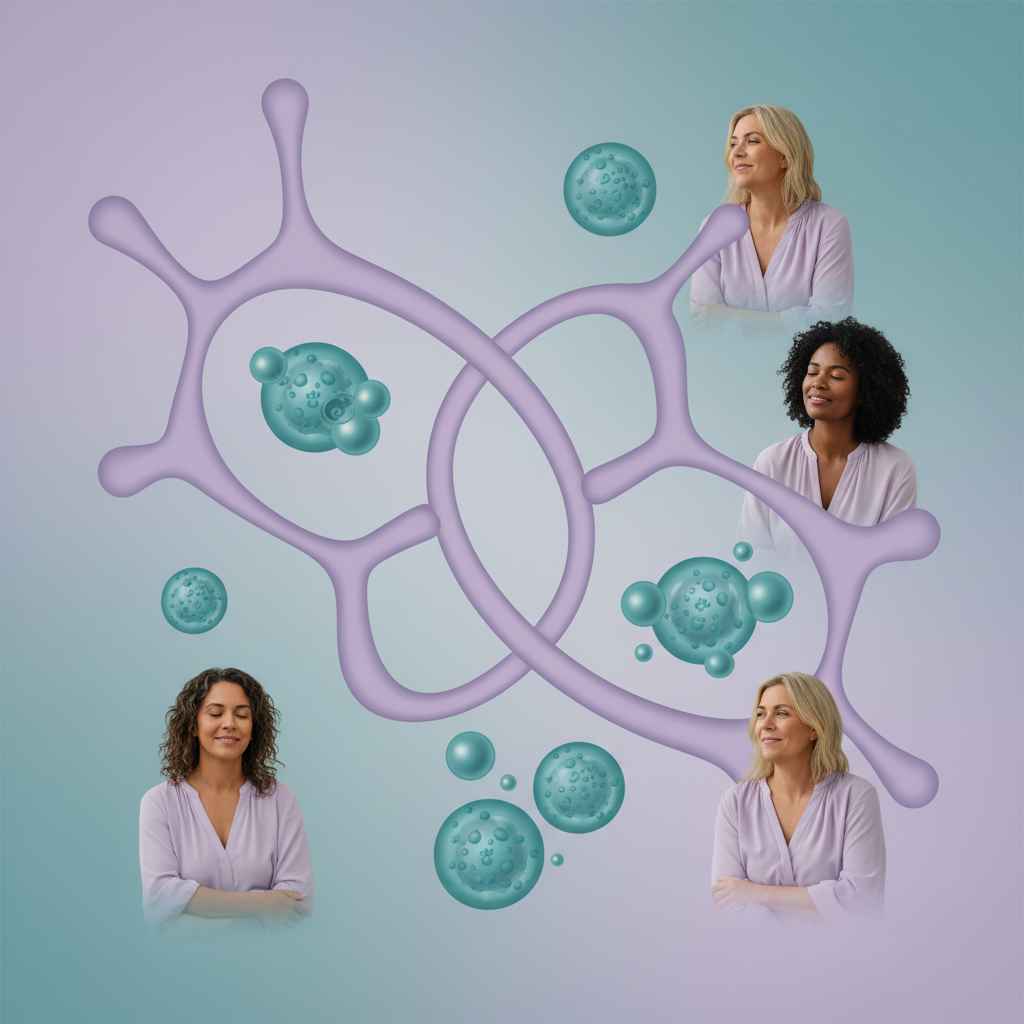
If you’ve spent your life eating sourdough toast and drinking aged red wine without a second thought, only to find that in your 40s these habits now trigger hives, a racing heart, or a week of "brain fog," you aren't imagining things. You aren't suddenly becoming allergic to the world; rather, your body’s bucket for processing histamine is overflowing.
The connection between your fluctuating hormones and your body's chemical messengers is profound. During the transition to menopause, the delicate dance between estrogen and progesterone loses its rhythm, and histamine—a compound often associated with seasonal allergies—frequently becomes the uninvited guest that refuses to leave the party.
Why am I suddenly allergic to everything in perimenopause?
The "allergic to everything" feeling is a hallmark of the perimenopause symptoms checklist. It happens because estrogen and histamine have a bi-directional, "reciprocal" relationship. Estrogen stimulates mast cells (a type of white blood cell) to release histamine. In turn, histamine stimulates the ovaries to produce more estrogen.
During perimenopause, estrogen levels don’t just drop; they fluctuate wildly, often leading to periods of "estrogen dominance" relative to progesterone. According to the National Institutes of Health, estrogen inhibits the enzyme DAO (diamine oxidase), which is responsible for clearing histamine from your digestive tract. When estrogen is high and DAO is low, your "histamine bucket" fills up faster than your body can empty it, leading to symptoms that mimic an allergic reaction.
How does low progesterone cause histamine to rise?
If estrogen is the accelerator for histamine, progesterone is the brake. Progesterone has a natural anti-inflammatory effect and aids in the stabilization of mast cells, preventing them from dumping histamine into your bloodstream.
As we enter our late 30s and 40s, we often experience "anovulatory cycles"—months where we don't release an egg. Without ovulation, the body doesn't produce the robust surge of progesterone needed to balance estrogen. This lack of progesterone leaves mast cells hypersensitive. When the "brake" (progesterone) fails, the "accelerator" (estrogen) drives histamine levels into overdrive. This hormonal imbalance can exacerbate other inflammatory conditions, such as the Hashimoto’s perimenopause overlap, as histamine further triggers the immune system.
| Hormone | Effect on Histamine | Mechanism |
|---|---|---|
| Estrogen | Increases | Stimulates mast cells & inhibits DAO enzyme |
| Progesterone | Decreases | Stabilizes mast cells & downregulates H1 receptors |
| Testosterone | Neutral/Decreases | Can inhibit mast cell activation in some tissues |
What are the symptoms of a perimenopause histamine flare?
A histamine flare doesn't always look like a stuffy nose. Because histamine receptors are located throughout the body—in the gut, the brain, the heart, and the skin—the symptoms are incredibly diverse and often confused with fibromyalgia perimenopause symptoms.
Common signs of a histamine flare during perimenopause include:
- Skin Issues: Hives, itching, flushing (especially on the neck and chest), or adult-onset acne.
- Neurological: Migraines (often cyclical), vertigo, "brain fog," and intense irritability.
- Cardiovascular: Heart palpitations or "racing heart" after eating.
- Digestive: Bloating, diarrhea, or stomach cramps shortly after meals.
- Respiratory: Chronic sinus congestion or "post-nasal drip" that isn't related to a cold.
Why does wine and cheese make my hot flashes worse?
It’s the ultimate perimenopausal betrayal: the "wine and cheese" night. Both aged cheeses and fermented alcohols like red wine are astronomical in histamine content. When you consume these during a high-estrogen phase of your cycle, you are essentially pouring histamine into a bucket that is already full.
Alcohol is a "triple threat" for histamine intolerance:
- It contains histamine produced during the fermentation process.
- It triggers the release of endogenous (internal) histamine.
- It competes for and inhibits the DAO enzyme, meaning your body can't break down the histamine in the wine or the cheese.
Research published via PubMed highlights that histamine can cause vasodilation—the widening of blood vessels. When your blood vessels dilate rapidly, it triggers a flush and a spike in body temperature, making your standard hot flash feel like a five-alarm fire.
Can antihistamines help with perimenopause insomnia?
It is tempting to reach for an over-the-counter antihistamine like diphenhydramine (Benadryl) when you can't sleep. While these drugs can provide short-term relief by blocking H1 receptors in the brain, they are not a long-term solution for perimenopausal insomnia.
The North American Menopause Society (NAMS) notes that while antihistamines have sedative properties, they can lead to daytime grogginess and may actually interfere with REM sleep quality. Furthermore, chronic use of certain antihistamines has been tentatively linked in some studies to an increased risk of cognitive decline in older adults.
Instead of masking the histamine with medication, many women find better results by addressing the underlying hormonal cause. Exploring a HRT for perimenopause beginners guide can help you understand how stabilizing your hormones can naturally lower your histamine load and restore sleep.
How to eat a low-histamine diet for hormone balance?
Managing histamine isn't about permanent deprivation; it's about "lowering the water level" in your bucket so you don't overflow. A low-histamine diet focuses on freshness. The longer food sits or ferments, the higher the histamine.
Steps to Implement a Low-Histamine Approach:
- Shop Fresh: Buy meat and fish and cook them the same day, or freeze them immediately. Histamine levels rise as protein ages.
- Avoid the "Fermented Five": Temporarily reduce intake of sauerkraut, kimchi, kombucha, aged cheeses, and vinegar.
- Watch the "Histamine Liberators": Some foods don't contain histamine but tell your cells to release it. Common culprits include strawberries, citrus fruits, and chocolate.
- Prioritize Anti-Inflammatory Nutrients: Quercetin (found in onions and apples) and Vitamin C are natural mast cell stabilizers.
- Support Your Gut: Since the DAO enzyme is produced in the gut, addressing issues like perimenopause insulin resistance signs and gut dysbiosis is critical for long-term histamine tolerance.
High-Histamine Foods to Switch
- Instead of: Aged Cheddar Try: Fresh Mozzarella or Ricotta.
- Instead of: Salami/Canned Tuna Try: Freshly cooked chicken or wild-caught frozen white fish.
- Instead of: Red Wine/Beer Try: Tequila or Gin with soda water and a sprig of mint (clear alcohols are generally lower in histamine).
- Instead of: Leftovers Try: "Flash-freezing" portions immediately after cooking to stop histamine development.
By understanding the link between your shifting hormones and histamine, you can stop feeling like you're "allergic to your life." Addressing the estrogen-progesterone balance, supporting your gut health, and making strategic dietary shifts can help you reclaim your energy and calm your nervous system during the unruly years of perimenopause.
FAQ
Common questions
Can perimenopause cause new allergies?
Yes, estrogen increases histamine release and lowers the DAO enzyme that clears it, leading to 'seasonal' allergies year-round during perimenopause.
What are the signs of a histamine flare?
Cyclical migraines, hives, heart palpitations, bloating, and intense anxiety/irritability are classic signs of a histamine flare.
Why does histamine make hot flashes worse?
Histamine is a vasodilator. When levels spike due to diet (like red wine) or hormones, it causes blood vessels to expand, triggering intense flushing and heat.
What supplements help with histamine intolerance?
Magnesium, Vitamin C, and Quercetin are natural mast cell stabilizers that can help lower histamine levels.
Is it safe to take antihistamines every night for sleep?
While they provide temporary relief, they don't fix the underlying hormonal imbalance and may cause daytime drowsiness or dry mouth.
Want this in your inbox each Sunday?
New articles, the science you can actually use, and the occasional rant.
Keep reading
Perimenopause Symptoms Checklist: 38 Signs You're Not Imagining
A comprehensive, doctor-reviewed checklist of perimenopause symptoms — from the obvious hot flashes to the weird ones nobody warned you about.
9 min read
Hashimoto's and Perimenopause: Why Symptoms Overlap (and How to Tell Them Apart)
Fatigue, brain fog, weight gain, hair loss — Hashimoto's and perimenopause share most symptoms. Here's how to tell what's flaring, what's hormonal, and what to ask your doctor.
11 min read
Fibromyalgia and Perimenopause: When Two Storms Collide
Why fibromyalgia almost always flares during perimenopause, what changes in your nervous system, and the small daily shifts that actually help.
10 min read