
Itchy Skin at Night? The Perimenopause Link No One Tells You
Struggling with itchy skin at night in perimenopause but see no rash? Learn why falling estrogen causes 'crawling' sensations and how to get relief.
Published:
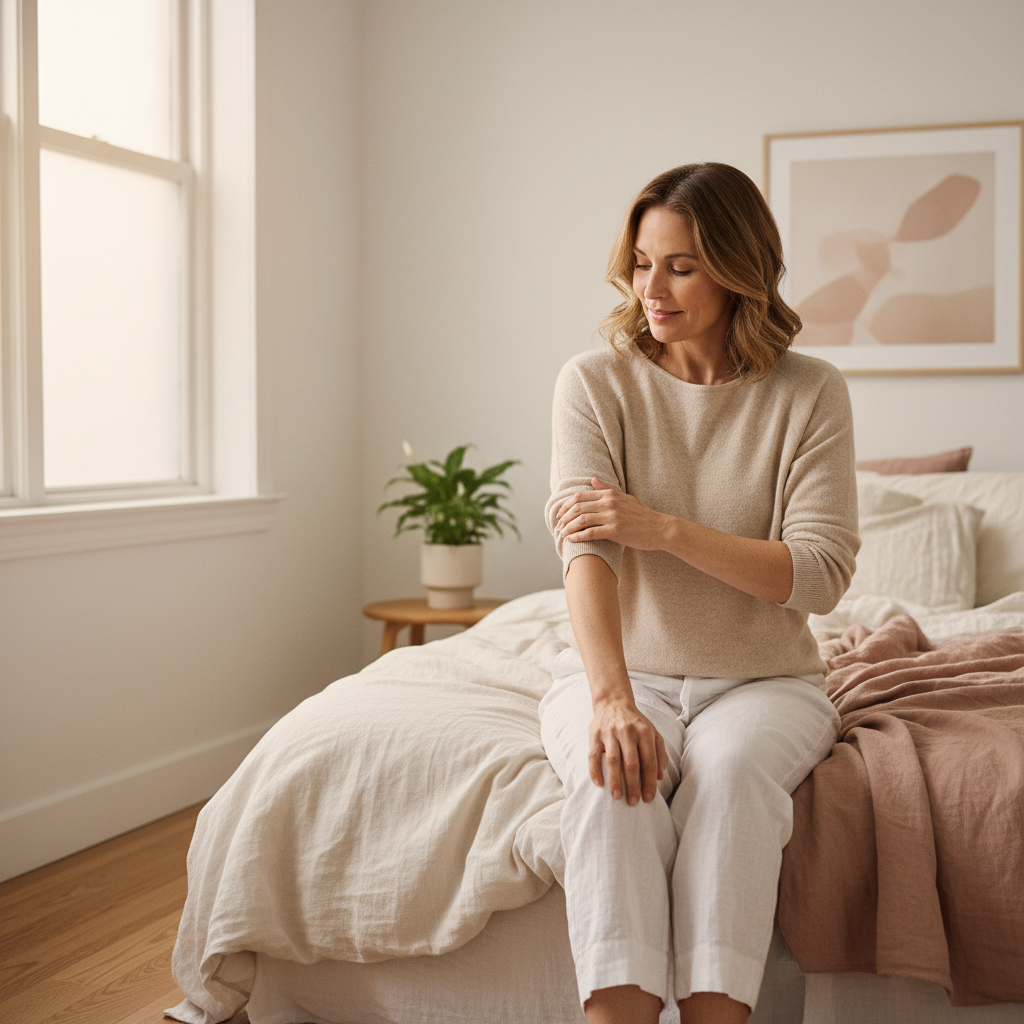
You’re tucked in, the lights are off, and you’re finally ready to drift into a deep, restorative sleep. Then, it starts. A tickle on your ankle. An annoying prickle on your shoulder. Within minutes, you feel like you’re covered in invisible ants, or your skin simply feels too tight and dry for your body. If you are experiencing itchy skin at night in perimenopause with no rash, you are far from alone.
This phantom itch is more than a minor annoyance; it is a physiological byproduct of shifting hormones that can significantly impact your quality of life and mental health. When you are already navigating the perimenopause symptoms checklist, adding nocturnal itching to the mix can feel like the final straw.
Why does my skin itch so much at night in perimenopause?
The primary driver behind perimenopausal skin changes is the decline of estrogen. Estrogen plays a critical role in skin physiology, particularly in the production of collagen and oils that keep the skin barrier resilient. According to the American Academy of Dermatology, as estrogen levels drop, your skin loses its ability to retain moisture and produce as much sebum (oil).
But why does it peak at night? There are several biological mechanisms at play:
- Circadian Rhythm Changes: Our body’s natural rhythm affects skin temperature and barrier function. At night, your skin's temperature rises, which can increase the sensation of itching. Furthermore, water loss through the skin (transepidermal water loss) increases during the evening hours, leading to acute dryness that triggers the itch-scratch cycle.
- Cortisol Fluctuations: Cortisol, our stress hormone, typically drops at night to allow for sleep. However, perimenopause often disrupts the adrenal axis. Lower nighttime cortisol can sometimes lead to an increase in inflammatory markers that heighten skin sensitivity.
- Peripheral Nerve Sensitivity: Estrogen is neuroprotective. As it fluctuates and declines, your peripheral nerves can become more sensitive, misfiring and sending "itch" signals to the brain even when there is no external irritant like a bug bite or a rash.
If you are also managing conditions like fibromyalgia perimenopause symptoms, you may find that your central nervous system is already "hyper-tuned" to pain and sensation, making the nighttime itch feel even more intense.
Does low estrogen cause itchy skin without a visible rash?
Yes, and this is perhaps the most frustrating aspect of perimenopausal itch. You can feel like your skin is crawling or burning, yet when you turn on the light to inspect it, the skin looks completely normal—no redness, no bumps, no hives.
In the medical community, this is often categorized as pruritus. Specifically, estrogen deficiency leads to a thinning of the epidermis. According to research published via the National Institutes of Health, estrogen receptors are located throughout the skin. When these receptors are no longer receiving "signals" from steady estrogen levels, the skin's "brick and mortar" structure—the lipid barrier—begins to crumble.
This leads to:
- Reduced Glycosaminoglycans: These are molecules (like hyaluronic acid) that keep skin plump.
- Decreased Collagen Production: Skin becomes thinner and more easily irritated.
- Altered pH Levels: A change in skin pH can make you more susceptible to "invisible" irritation from your own sweat or bed linens.
It is also important to distinguish this from other issues. If you notice your nighttime itching is accompanied by fatigue or weight changes, it’s worth investigating the Hashimoto’s perimenopause overlap, as thyroid dysfunction is a frequent culprit for chronic dry, itchy skin.
How does perimenopausal formication feel like 'crawling' skin?
One of the most unique and distressing symptoms of perimenopause is formication. Derived from the Latin word "formica" (meaning ant), formication is a type of paresthesia—a spontaneous abnormal sensation. Women often describe it exactly as the name suggests: the feeling of insects crawling on or under the skin.
This is a sensory hallucination caused by the impact of low estrogen on the nervous system. Because estrogen helps regulate the tactile receptors in your skin, its absence can cause the nerves to fire randomly.
| Sensation Type | Description | Common Perimenopause Link |
|---|---|---|
| Pruritus | General itchiness, often linked to dryness | Low Estrogen / Barrier Dysfunction |
| Formication | Sensation of insects crawling on skin | Nerve Mis-firing / Estrogen Withdrawal |
| Paresthesia | Tingling, "pins and needles" or numbness | Vitamin B12 deficiency or Hormone Fluctuation |
| Dysesthesia | Burning or painful touch | Small fiber neuropathy or severe hormone drop |
While formication is harmless in a physical sense, the psychological toll is high. It can lead to "skin picking" or severe insomnia. If you find these sensations are paired with sugar cravings or mid-section weight gain, it might be a sign to check for perimenopause insulin resistance signs, as metabolic health can also influence nerve health and skin integrity.
Could my evening wine be making my perimenopause itch worse?
While a glass of red wine might feel like the perfect way to unwind from the stress of perimenopause, it may actually be the "fuel on the fire" for your nighttime itch.
Alcohol acts as a vasodilator, meaning it widens the blood vessels. This increases blood flow to the skin's surface and raises skin temperature, which is a known trigger for pruritus. Furthermore, many alcoholic beverages (especially wine and beer) are high in histamines. During perimenopause, many women develop a temporary "histamine intolerance."
As estrogen drops, the body may produce less of the enzyme needed to break down histamines. This leads to a systemic buildup that manifests as:
- Night sweats
- Increased heart rate
- Intense, itchy skin at night with no rash
If you find your itching is significantly worse on nights you drink, try an "alcohol holiday" for two weeks to see if the symptoms subside. Staying hydrated is also crucial, as alcohol is a diuretic that further leeches moisture from your already struggling skin cells.
What are the best natural remedies for itchy perimenopause skin?
Managing perimenopausal itch requires a two-pronged approach: hydrating from the inside out and protecting the skin barrier from the outside in.
- Prioritize Essential Fatty Acids: Supplementing with Omega-3 (fish oil) or Sea Buckthorn oil (Omega-7) has been shown in clinical settings to improve skin hydration and mucosal dryness. The Cleveland Clinic notes that Omega-3s can help regulate the skin's oil production and improve hydration.
- The 3-Minute Rule: After showering (use lukewarm water, never hot), apply a thick, fragrance-free ceramide-based cream within three minutes. This "locks in" the moisture before it can evaporate.
- Address the Nervous System: Since the itch is often neurological, calming the nervous system before bed can help. Magnesium bisglycinate is a favorite among perimenopause specialists for its ability to calm nerve firing and improve sleep quality.
- Phytoestrogens: Incorporating foods like organic soy, flaxseeds, and sesame seeds may provide mild, plant-based estrogenic support that can help some women mitigate skin thinning.
- Home Environment: Use a humidifier in your bedroom, especially during winter months, to keep the ambient air from sucking moisture out of your skin.
How can I stop the nighttime itching to finally get some sleep?
If natural remedies and lifestyle changes aren't providing enough relief, it may be time to consult a healthcare provider about more robust interventions.
For many, the most effective solution is Hormone Replacement Therapy (HRT). By restoring estrogen levels, you can effectively "re-hydrate" the skin from a cellular level and stop the neurological misfiring causing formication. If you are new to this option, our HRT for perimenopause beginners guide covers the safety profile and the different delivery methods (patches, gels, or pills).
According to the North American Menopause Society (NAMS), systemic estrogen therapy has been shown to increase skin thickness, elasticity, and hydration in menopausal women.
In addition to medical intervention, consider the following nighttime routine:
- Wear Natural Fibers: Stick to 100% cotton, silk, or bamboo pajamas and sheets. Synthetic fabrics like polyester trap heat and sweat, which can trigger an itch flare-up.
- Keep it Cool: The ideal bedroom temperature for sleep is around 65°F (18°C). A cool environment prevents the vasodilation that leads to itching.
- Topical Cooling: Some women find relief using lotions containing menthol or camphor, which provide a cooling sensation that "distracts" the nerves from the itch signal.
- Anti-histamines: While not a long-term solution, an over-the-counter antihistamine may help if your itch is related to the aforementioned histamine spikes. However, always consult your doctor first, as some can cause next-day grogginess.
Perimenopause is a transition that touches every system in the body—including the largest organ you have. While "itchy skin at night perimenopause no rash" isn't often highlighted in the glossy brochures about "the change," it is a valid, biological symptom of your shifting landscape. By addressing your hormone health, supporting your skin barrier, and managing your evening triggers, you can find the relief you need to sleep soundly once again.
Don't ignore what your skin is trying to tell you. Whether it's a call for more moisture, a sign of fluctuating hormones, or a nudge to look at your thyroid or metabolic health, your skin is a window into your internal wellness. Listen to it, nurture it, and don't hesitate to seek professional support to get back to your most radiant self.
Scientific References & Further Reading:
FAQ
Common questions
Why does perimenopause cause itching without a rash?
Low estrogen reduces skin oil and collagen, leading to a thinner skin barrier. It also causes nerves to become more sensitive, creating itch or crawling sensations even without an external irritant.
What is formication and why does it happen?
Formication is a specific type of paresthesia common in perimenopause where you feel like insects are crawling on or under your skin, often triggered by declining estrogen levels affecting sensory nerves.
Does alcohol make perimenopause itching worse?
Yes, alcohol (especially wine) contains histamines and dilates blood vessels, which raises skin temperature and can significantly worsen nighttime itching during perimenopause.
What else could be causing my itchy skin at night?
Check for thyroid issues (Hashimoto's), iron deficiency (anemia), or insulin resistance, as all three can cause dry, itchy skin and are common during the perimenopause transition.
How can I stop the itch immediately so I can sleep?
Use fragrance-free ceramide moisturizers, take lukewarm showers, wear 100% cotton pajamas, and keep your bedroom cool (around 65°F) to prevent heat-induced itching.
Is HRT the only way to fix perimenopausal itchy skin?
HRT can be very effective. By restoring estrogen, you help the skin retain moisture and stabilize the nervous system, which often eliminates the crawling and itching sensations.
Want this in your inbox each Sunday?
New articles, the science you can actually use, and the occasional rant.
Keep reading

Perimenopause Symptoms Checklist: 38 Signs You're Not Imagining
A comprehensive, doctor-reviewed checklist of perimenopause symptoms — from the obvious hot flashes to the weird ones nobody warned you about.
9 min read

Hashimoto's and Perimenopause: Why Symptoms Overlap (and How to Tell Them Apart)
Fatigue, brain fog, weight gain, hair loss — Hashimoto's and perimenopause share most symptoms. Here's how to tell what's flaring, what's hormonal, and what to ask your doctor.
11 min read
Fibromyalgia and Perimenopause: When Two Storms Collide
Why fibromyalgia almost always flares during perimenopause, what changes in your nervous system, and the small daily shifts that actually help.
10 min read