
Lichen Sclerosus or Perimenopause? Decoding Vaginal Changes
Is it perimenopause vaginal dryness or Lichen Sclerosus? Learn the key differences in symptoms, visual signs, and why a biopsy might save your skin health.
Published:
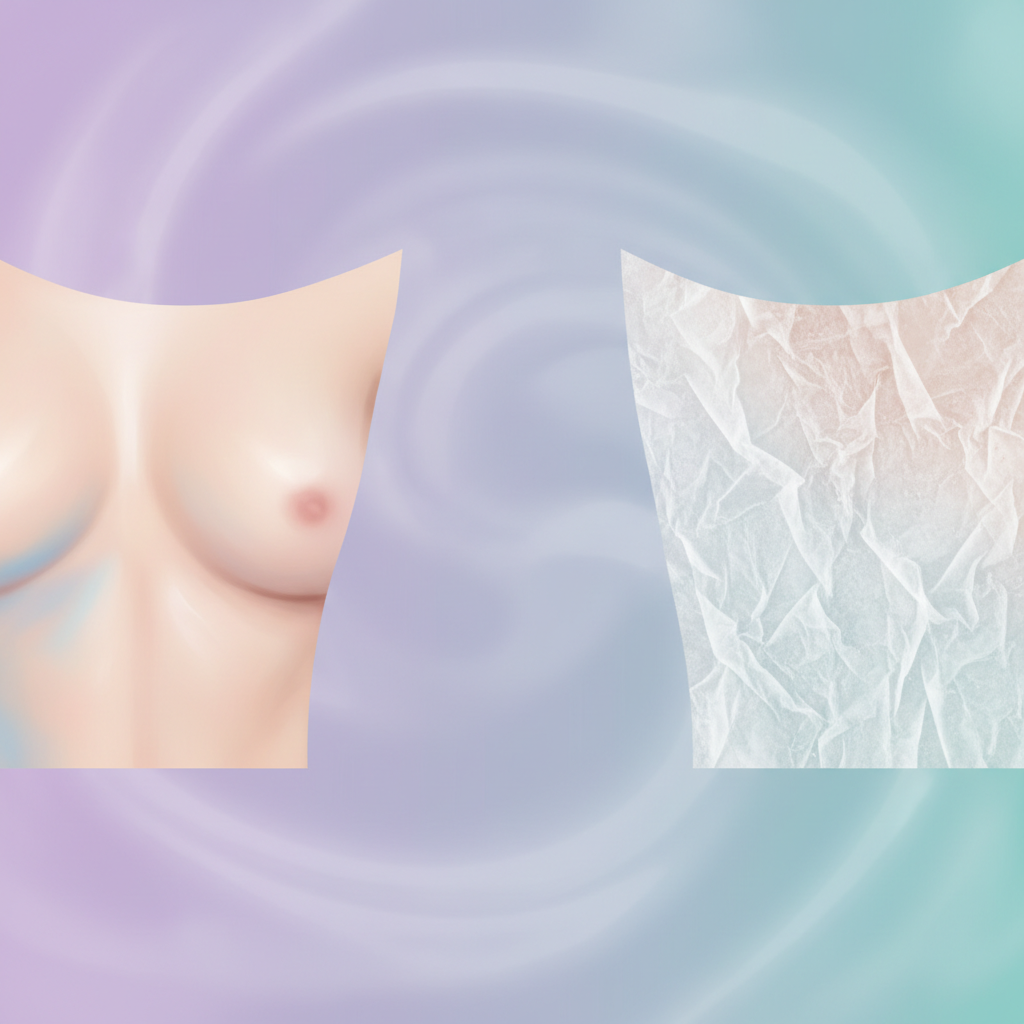
Is it just perimenopause dryness or something more serious?
When you reach your 40s or early 50s, a certain level of pelvic discomfort often feels like an expected rite of passage. You might notice a bit of friction during intimacy or a general sense of "tightness" that you attribute to the natural decline of estrogen. Indeed, Genitourinary Syndrome of Menopause (GSM)—often referred to as vaginal atrophy—affects up to 50% of women during the transition according to the North American Menopause Society.
However, there is a quieter, more aggressive condition that often hides behind the mask of perimenopause: Lichen Sclerosus (LS).
Lichen sclerosus is a chronic, inflammatory skin condition that most commonly affects the vulvar and anal areas. Unlike standard dryness, which stems from a lack of hormonal lubrication, LS is believed to be an autoimmune process where the body’s immune system attacks the skin cells. Because both conditions cause itching, stinging, and painful intercourse, many women spend years treating "dryness" with over-the-counter moisturizers while an underlying autoimmune issue causes permanent structural changes.
Distinguishing between lichen sclerosus symptoms vs perimenopause vaginal dryness symptoms is not just about comfort—it is about preventing scarring and protecting your long-term health. If you are already managing other midlife transitions, such as navigating a perimenopause symptoms checklist, it is vital to know when your skin changes require a specialist’s eye rather than just a lubricant.
What are the early warning signs of lichen sclerosus after 40?
Lichen sclerosus doesn't always announce itself with a bang. In the early stages, it can be incredibly subtle, often mimicking a persistent yeast infection or the "paper-cut" sensations associated with low estrogen. However, as the condition progresses, specific hallmarks emerge that are distinct from hormonal atrophy.
The most common early warning signs include:
- Intense Nocturnal Itching: While perimenopausal dryness causes a general "scratchy" feeling, LS often causes an unbearable itch that worsens at night, sometimes waking you from sleep.
- White, Porcelain-Like Patches: LS creates distinct white plaques that look like crinkled tissue paper or thin parchment. This is technically known as "hyperkeratosis."
- The "Figure-Eight" Pattern: Inflammation often circles the vulva and the anus in a shape resembling the number eight.
- Ecchymosis (Purpura): You may notice tiny purple or red spots under the skin, which are small hemorrhages caused by the thinning and fragility of the dermal layer.
- Structural Fusing: If left untreated, the labia minora (inner lips) may begin to thin or disappear (resorption), and the clitoral hood may fuse shut.
According to the National Institutes of Health (NIH), while LS can affect people of all ages, it has a significant peak in postmenopausal women, suggesting a complex relationship between skin integrity and hormonal status.
How does estrogen deficiency mimic autoimmune skin conditions?
The confusion between LS and perimenopause isn't accidental; the biology of the vulva is deeply dependent on estrogen. Estrogen maintains the thickness of the vaginal epithelium, promotes collagen production, and ensures the skin remains elastic and acidic enough to ward off infections.
When estrogen levels fluctuate and eventually drop, the skin becomes thin (atrophic), pale, and less vascular. This "atrophic vulvitis" can look remarkably similar to the early thinning seen in LS. Furthermore, the lack of estrogen makes the skin more prone to micro-tears and chronic irritation.
This overlap is particularly tricky for women who already have an autoimmune predisposition. We know that conditions like Hashimoto's and perimenopause often flare together. Similarly, if your immune system is already hyper-reactive—perhaps you are managing fibromyalgia perimenopause symptoms—your vulvar skin may be more susceptible to the inflammatory pathways that lead to Lichen Sclerosus.
| Feature | Perimenopause (Atrophy) | Lichen Sclerosus (Autoimmune) |
|---|---|---|
| Primary Cause | Estrogen deficiency | Autoimmune inflammation |
| Color Changes | Pale pink or yellowish | Bright white, "parchment" patches |
| Itch Intensity | Mild to moderate | Severe, often worse at night |
| Skin Texture | Thin, dry, but smooth | Thickened, scarred, or "crinkled" |
| Anatomical Changes | Minimal (slight shrinkage) | Significant (fusing, loss of labia) |
| Vaginal Canal | Primary site of dryness | Usually spared (affects external skin) |
Can perimenopause hormone shifts trigger a lichen sclerosus flare?
While the exact cause of Lichen Sclerosus remains unknown, the medical community widely recognizes a "two-hit" hypothesis: a genetic predisposition combined with an environmental or hormonal trigger.
The hormonal turbulence of perimenopause may act as that trigger. Low estrogen levels compromise the skin's barrier function, potentially allowing the immune system to misidentify skin cells as "foreign." Additionally, the systemic inflammation associated with midlife metabolic shifts—such as perimenopause insulin resistance signs—can create a pro-inflammatory environment that encourages autoimmune flares.
Interestingly, many women report their first LS flare during the "lame duck" phase of their cycles, when progesterone and estrogen are at their lowest. While LS is not strictly a "hormonal disease" (it can occur in children), the Mayo Clinic notes that the drop in hormones during menopause is a major risk factor for diagnosis.
What are the key visual differences between atrophy and lichen sclerosus?
If you are looking in a hand mirror—which we highly recommend for all women in perimenopause—you need to know what to look for.
Vaginal Atrophy (GSM): The skin usually looks uniform. It may appear pale or slightly reddened, and the tissue feels "tight" or "narrow." The changes are most apparent inside the vagina and at the opening (introitus). The architectural structure of the vulva (the lips and clitoris) remains largely intact, even if the tissue is thinner.
Lichen Sclerosus: LS is patchy. You will see "islands" of white skin that look different from the surrounding pink tissue. The skin may look shiny or have a texture like "cigarette paper." Most importantly, LS often changes the shape of the vulva. You might notice the "burying" of the clitoris under the hood or the smoothing out of the labia minora. Unlike atrophy, LS can also spread to the perineum and around the anus, creating a "keyhole" or "figure-eight" distribution of white, thickened skin.
Crucially, LS does not typically affect the inside of the vaginal canal, whereas perimenopausal dryness is primarily an internal and introital issue. If you have severe external itching but your internal vaginal moisture seems okay, you should be highly suspicious of LS.
Which treatments work best for overlapping vaginal skin issues?
The danger of misdiagnosis is that the treatment for one can be insufficient—or even detrimental—for the other.
- For Perimenopausal Atrophy: The gold standard is local vaginal estrogen (creams, tablets, or rings). This replaces the missing hormone directly in the tissue, restoring thickness and moisture. If you are curious about systemic options, a HRT for perimenopause beginners guide can help you understand how whole-body hormones support skin health.
- For Lichen Sclerosus: Local estrogen is rarely enough. The primary treatment is a high-potency topical corticosteroid (like Clobetasol). These steroids calm the overactive immune response and prevent the scarring that leads to anatomical changes.
- The "Overlap" Protocol: Many women require both. The steroid treats the autoimmune inflammation, while the estrogen repairs the underlying tissue integrity.
According to the British Association of Dermatologists, consistent use of topical steroids can not only manage symptoms but also significantly reduce the risk of vulvar squamous cell carcinoma, a rare skin cancer that can develop in untreated LS patches.
When to ask your gynecologist for a biopsy vs HRT?
If you have been using over-the-counter moisturizers or even prescription estrogen for three months with no improvement in your itching or "tearing" sensations, it is time for a more definitive investigation.
You should request a vulvar biopsy if:
- You see white patches that do not resolve with estrogen.
- You notice any "fusing" or changes in the shape of your labia.
- You have a persistent sore or ulcer that won't heal.
- Your itching is so severe it interferes with sleep or daily activities.
A biopsy is a simple, in-office procedure where a tiny piece of skin (usually 3-4mm) is taken under local anesthesia. It is the only way to 100% confirm a diagnosis of Lichen Sclerosus and rule out pre-cancerous changes (VIN).
Don't let a doctor dismiss your concerns as "just part of getting older." While perimenopause is a time of change, it should not be a time of chronic pain or disfigurement. By decoding the differences between simple dryness and autoimmune inflammation, you can ensure your skin—and your radiance—remains intact through the transition and beyond.
Self-Care Strategies for Vulvar Health:
- Switch to "Slugging": Use a plain petrolatum-based emollient (like Vaseline or Aquaphor) to create a barrier against urine, which can irritate LS-affected skin.
- Avoid Irritants: Ditch the scented soaps, liners, and tight synthetic underwear. Stick to 100% cotton and lukewarm water.
- Pelvic Floor Therapy: Both LS and atrophy can cause the pelvic floor muscles to become hyper-tonic (overly tight) due to chronic pain. A therapist can help "re-train" these muscles to relax.
- Regular Self-Exams: Once a month, use a mirror to check for any new white patches, bumps, or architectural changes.
Understanding your body during this transition is the first step toward advocacy. Whether it's a shift in hormones or an autoimmune flare, you deserve a treatment plan that addresses the root cause, not just the surface symptoms.
References & Sources:
- National Institute of Arthritis and Musculoskeletal and Skin Diseases (NIAMS)
- North American Menopause Society (NAMS) - Vaginal Atrophy
- Mayo Clinic - Lichen Sclerosus Diagnosis & Treatment
- Cochrane Library - Interventions for Lichen Sclerosus
- American College of Obstetricians and Gynecologists (ACOG) - Vulvar Cancer Risk
- British Association of Dermatologists - Patient Information Leaflets
FAQ
Common questions
Is lichen sclerosus more serious than perimenopause dryness?
Yes. Lichen sclerosus is an inflammatory condition that can cause permanent scarring, fusing of the labia, and a small but significant increased risk of vulvar skin cancer if left untreated. Vaginal atrophy (dryness) is uncomfortable but does not lead to these specific structural changes or cancer risks.
Can low estrogen cause lichen sclerosus?
No. While lichen sclerosus is more common in postmenopausal women, it is not caused by low estrogen. It is an autoimmune-mediated skin condition. However, low estrogen can make the symptoms of LS feel much worse because the skin is already thin and fragile.
What is the main visual difference between the two?
Lichen sclerosus typically affects the external vulvar skin and the skin around the anus. Perimenopausal dryness (GSM) primarily affects the internal vaginal canal and the opening (introitus). If your itching is purely external, LS is more likely.
How do doctors confirm a lichen sclerosus diagnosis?
A vulvar biopsy is the gold standard. A small sample of skin is taken and examined by a pathologist to look for specific architectural changes in the dermis that are characteristic of lichen sclerosus. Clinical observation by a specialist is also helpful but not always definitive.
Does estrogen cream treat lichen sclerosus?
The primary treatment for LS is a high-potency topical steroid cream (like clobetasol propionate) to stop the autoimmune attack. Estrogen creams may be used as a secondary treatment to help plump the tissue and improve overall skin health, but they cannot cure LS on their own.
What are the 'red flag' symptoms I should look for?
White patches (like crinkled paper), intense itching that is worse at night, painful intercourse, tearing of the skin during activity, and a visible 'shrinking' or disappearing of the inner labia (labia minora).
Want this in your inbox each Sunday?
New articles, the science you can actually use, and the occasional rant.
Keep reading

Perimenopause Symptoms Checklist: 38 Signs You're Not Imagining
A comprehensive, doctor-reviewed checklist of perimenopause symptoms — from the obvious hot flashes to the weird ones nobody warned you about.
9 min read

Hashimoto's and Perimenopause: Why Symptoms Overlap (and How to Tell Them Apart)
Fatigue, brain fog, weight gain, hair loss — Hashimoto's and perimenopause share most symptoms. Here's how to tell what's flaring, what's hormonal, and what to ask your doctor.
11 min read

Fibromyalgia and Perimenopause: When Two Storms Collide
Why fibromyalgia almost always flares during perimenopause, what changes in your nervous system, and the small daily shifts that actually help.
10 min read