
MHC Class II Issues or Perimenopause? Decoding Overlap
Explore the overlap between MHC Class II deficiency symptoms and perimenopause in women over 40. Learn about estrogen's role in immune health and testing.
Published:
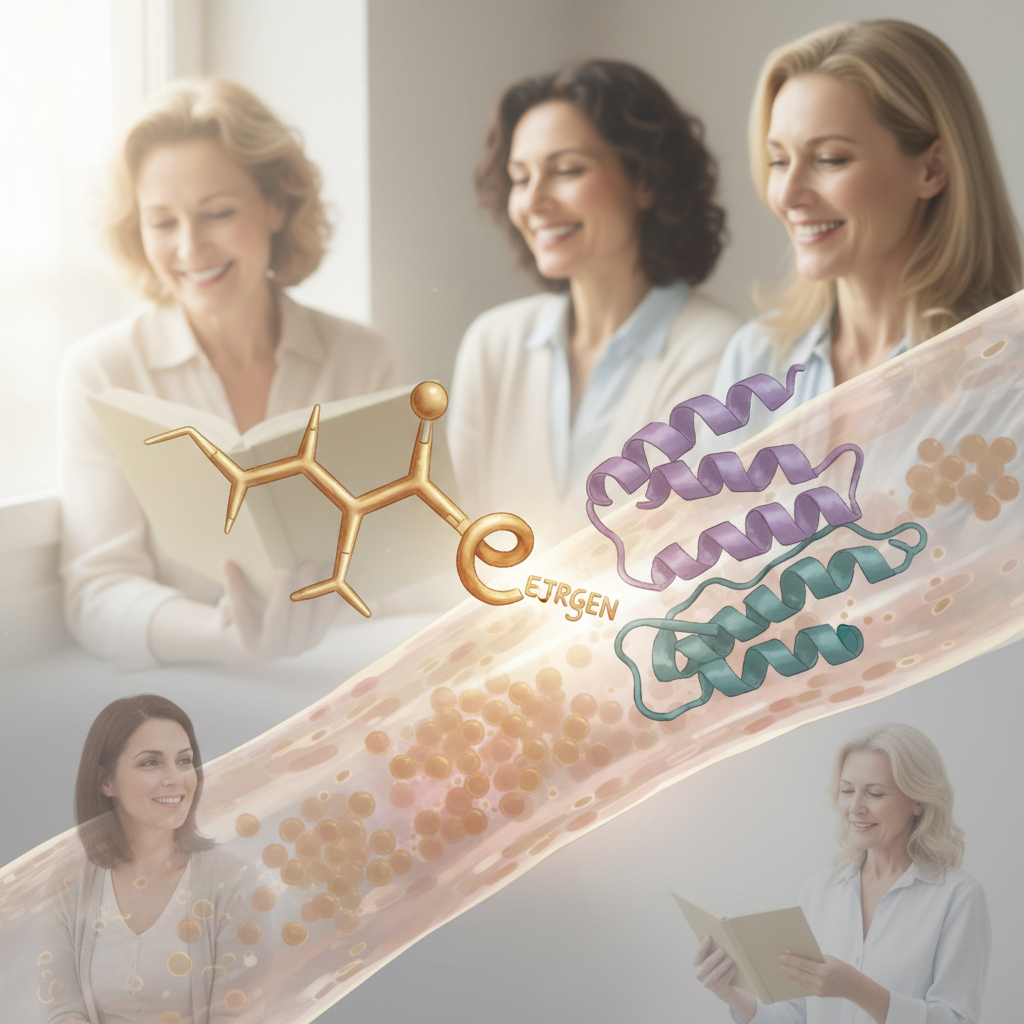
When you reach your 40s, you expect a few changes. Perhaps your sleep is less restful, or your periods have become unpredictable. However, for some women, the symptoms go beyond typical "hormonal" shifts, manifesting as chronic infections, profound fatigue, and systemic inflammation. This raises a complex clinical question: are you experiencing the standard transition of perimenopause, or is there a deeper breakdown in your immune system's architecture, specifically involving Major Histocompatibility Complex (MHC) Class II?
Understanding the interplay between your hormones and your immune system is critical because estrogen is a potent immunomodulator. As its levels fluctuate, existing underlying immune vulnerabilities—including those related to MHC Class II—can become symptomatic for the first time.
What is MHC Class II deficiency and can it appear after 40?
Major Histocompatibility Complex (MHC) Class II molecules are essential components of your adaptive immune system. Their primary job is to "present" antigens (foreign proteins from bacteria or viruses) to CD4+ T-helper cells. This presentation acts like a molecular "wanted poster," telling your immune system exactly what to attack. Without functional MHC Class II molecules, your body becomes blind to certain invaders.
Classically, severe MHC Class II deficiency (also known as Bare Lymphocyte Syndrome) is a rare, primary immunodeficiency diagnosed in infancy. However, modern research suggests a spectrum of MHC Class II "issues" or expression deficits can manifest in adulthood, often triggered by environmental stressors or hormonal shifts. According to the National Institutes of Health (NIH), while the genetic form is severe, secondary defects in MHC expression can be influenced by epigenetic factors and the endocrine environment.
For women over 40, "deficiency" might not mean a complete genetic absence, but rather a down-regulation of these molecules on the surface of immune cells. This leads to mhc class ii deficiency symptoms in women over 40 that mimic chronic fatigue or autoimmune flares, making diagnosis a significant challenge during the perimenopause transition.
How do autoimmune symptoms overlap with perimenopause?
The overlap between perimenopause and autoimmune dysfunction is notoriously high. This is largely because the receptors for estrogen are found on nearly every type of immune cell. When your estrogen levels begin to swing wildly—a hallmark of the perimenopausal transition—your immune system loses its "regulatory guardrails."
Many women find that conditions they were predisposed to suddenly flare up. You might experience joint pain, brain fog, or extreme exhaustion. It is often difficult to distinguish if these are perimenopause symptoms checklist items or the beginning of a systemic immune issue.
| Symptom | Perimenopause Root | MHC/Immune Root |
|---|---|---|
| Fatigue | Sleep disruption due to night sweats | Chronic low-grade infection or poor T-cell activation |
| Joint Pain | Loss of estrogen's anti-inflammatory effect | Systemic inflammation or autoimmune cross-reactivity |
| Brain Fog | Fluctuating estradiol affecting neurotransmitters | Cytokine storms affecting the blood-brain barrier |
| Recurrent Infections | Thinning mucosal linings (urogenital) | Failure of antigen presentation to T-cells |
| Skin Rashes | Decreased collagen and oil production | Hypersensitivity or MHC-mediated dermatitis |
Because the symptoms are so similar, many women are told their exhaustion is "just age," when in reality, their immune system is struggling to identify and clear pathogens effectively. This is particularly common in women who also have a Hashimoto's perimenopause overlap, where the thyroid and immune system are already under strain.
Why does estrogen loss affect immune system recognition?
Estrogen (specifically estradiol) is a master regulator of the immune response. It generally enhances the production of antibodies and promotes the proliferation of certain T-cells. More importantly, estradiol has been shown to influence the expression of MHC Class II molecules on antigen-presenting cells.
As you enter your 40s and estrogen levels decline, the "signal strength" of your immune system can dim. According to research published by the Endocrine Society, the loss of estrogen leads to an increase in pro-inflammatory cytokines like IL-1, IL-6, and TNF-alpha.
When MHC Class II expression is suboptimal, the body may fail to distinguish "self" from "non-self." This leads to a two-fold problem:
- Under-activity: You become more susceptible to viral infections or lingering "hidden" infections (like EBV or Lyme).
- Over-activity: The immune system becomes frustrated and begins attacking healthy tissue, leading to symptoms that mimic fibromyalgia perimenopause symptoms.
What are the early warning signs of adult-onset immune deficiency?
While a total MHC Class II deficiency is unlikely to appear out of thin air at age 45, an acquired deficiency or significant down-regulation is a growing area of clinical study. If you are over 40, you should look for specific red flags that suggest your symptoms aren't just "hormones."
- Recurrent Sinus or Bronchial Infections: If you are needing multiple rounds of antibiotics per year, your T-cells may not be receiving the proper MHC Class II signals to clear the infection permanently.
- Poor Vaccine Response: If you find that vaccines do not seem to provide lasting immunity (low titers), it may indicate an antigen presentation issue.
- Unexpected Oral Thrush or Fungal Infections: These are often signs of T-cell signaling issues, as noted by the CDC.
- Severe Reactions to Minor Illnesses: A simple cold that puts you in bed for two weeks is a sign that your adaptive immune response is lagging.
- Chronic Lymph Node Swelling: This suggests your immune system is "trapped" in the recognition phase but cannot complete the kill-response.
These signs often coincide with perimenopause insulin resistance signs, as metabolic health and immune health are intrinsically linked through the pathways of chronic inflammation.
Is your fatigue a hormone shift or an immune system failure?
Distinguishing between hormonal fatigue and immune-mediated fatigue requires a look at the "quality" of the exhaustion. Perimenopausal fatigue is often tied to the circadian rhythm; you might feel "tired but wired" at night or crash in the afternoon when your cortisol dips.
Immune-mediated fatigue, particularly that related to MHC Class II issues, feels more like a "flu-like" malaise. It is often accompanied by a low-grade fever, tender lymph nodes, and a feeling of heavy limbs. This type of fatigue does not resolve with a good night’s sleep.
According to the Mayo Clinic, chronic fatigue syndrome (ME/CFS) is often triggered by an immune system that fails to "reset" after an infection—a process that relies heavily on proper MHC functioning. If your fatigue is accompanied by persistent sore throats or new allergies, it’s time to look deeper than just your progesterone levels.
How to test for MHC issues during the perimenopause transition?
If you suspect your immune system is faltering, standard blood work like a CBC (Complete Blood Count) may not be enough. You need to look at the functional capacity of your immune cells.
- Flow Cytometry: This test can specifically measure the expression of HLA-DR (a major MHC Class II molecule) on the surface of your monocytes and lymphocytes.
- Lymphocyte Subset Panel: This measures the ratios of CD4+ (helper) and CD8+ (killer) T-cells. A low CD4+ count is a classic sign of MHC Class II signaling issues.
- Immunoglobulin Levels (IgG, IgA, IgM): Low levels can indicate that your B-cells aren't getting the "instructions" they need from T-cells to produce antibodies.
- High-Sensitivity C-Reactive Protein (hs-CRP): While non-specific, a chronically elevated CRP during perimenopause suggests systemic inflammation that requires investigation.
It is also vital to rule out other "mimickers." You can start by reviewing an HRT for perimenopause beginners guide to see if stabilizing your hormones resolves the symptoms. If symptoms persist despite optimal hormone levels, the root is likely primary immune dysfunction.
Can hormone replacement therapy help stabilize immune function?
The short answer is: yes, potentially. Because estrogen and progesterone are immunomodulatory, Hormone Replacement Therapy (HRT) can sometimes act as a "tuner" for the immune system. Estrogen helps stimulate the pathways that lead to healthy MHC Class II expression and T-cell activation.
Research published in the journal Nature and archived via PubMed Central (PMC) indicates that sex steroids play a crucial role in maintaining the thymus (where T-cells mature) and ensuring the peripheral immune response remains balanced.
However, HRT is not a cure-all for a genetic or significant epigenetic MHC deficiency. It should be used as part of a comprehensive strategy that includes:
- Anti-inflammatory Nutrition: Supporting the gut microbiome, where 70% of the immune system resides.
- Stress Management: High cortisol is known to suppress MHC Class II expression.
- Targeted Supplementation: Vitamin D and Zinc are essential co-factors for T-cell function and MHC expression, as noted by Harvard Health.
Conclusion
Navigating your 40s requires a discerning eye toward your health. While perimenopause is a universal transition, the way your immune system reacts to that transition is unique to your genetic and environmental blueprint. If you are struggling with "mhc class ii deficiency symptoms in women over 40"—such as chronic infections, unexplained inflammation, and profound malaise—don't settle for the "it's just hormones" explanation. By investigating the intersection of your endocrine and immune systems, you can find a path back to vitality and radiance. High-quality testing and a nuanced approach to hormone and immune support are your best tools for decoding this complex overlap.
FAQ
Common questions
Can you develop MHC Class II issues later in life?
While the genetic 'Bare Lymphocyte Syndrome' is usually diagnosed in childhood, women over 40 can experience a down-regulation of MHC Class II expression due to hormonal shifts and environmental stressors, leading to similar symptoms.
Why didn't my regular blood work show immune issues?
Standard blood tests like a CBC often look normal. You need specialized testing like flow cytometry to measure HLA-DR expression or a lymphocyte subset panel to check CD4+ T-cell levels.
Does menopause make immune deficiencies worse?
Yes, estrogen is a potent immunomodulator. Its decline during perimenopause can weaken immune signaling, potentially exacerbating underlying MHC-related vulnerabilities and increasing inflammation.
How can I tell the difference between hormonal fatigue and immune fatigue?
Perimenopausal fatigue is often related to sleep and hormones. Immune fatigue feels like a 'flu-like' heaviness, often accompanied by swollen glands or a persistent low-grade fever.
Can HRT fix immune system problems?
Hormone Replacement Therapy (HRT) can help stabilize the immune system by providing the estrogen necessary for proper T-cell signaling, but it should be part of a broader immune-support protocol.
What are the top red flags for immune deficiency in my 40s?
Frequent sinus infections, pneumonia, oral thrush, or being unable to recover from simple colds are major red flags that your adaptive immune system needs investigation.
Want this in your inbox each Sunday?
New articles, the science you can actually use, and the occasional rant.
Keep reading

Perimenopause Symptoms Checklist: 38 Signs You're Not Imagining
A comprehensive, doctor-reviewed checklist of perimenopause symptoms — from the obvious hot flashes to the weird ones nobody warned you about.
9 min read

Hashimoto's and Perimenopause: Why Symptoms Overlap (and How to Tell Them Apart)
Fatigue, brain fog, weight gain, hair loss — Hashimoto's and perimenopause share most symptoms. Here's how to tell what's flaring, what's hormonal, and what to ask your doctor.
11 min read

Fibromyalgia and Perimenopause: When Two Storms Collide
Why fibromyalgia almost always flares during perimenopause, what changes in your nervous system, and the small daily shifts that actually help.
10 min read