
Hot Flashes at Night Only? What It Means and How to Stop the Sweat
Discover why you might be experiencing hot flashes at night only and how perimenopause triggers nocturnal vasomotor symptoms differently than daytime ones.
Published:
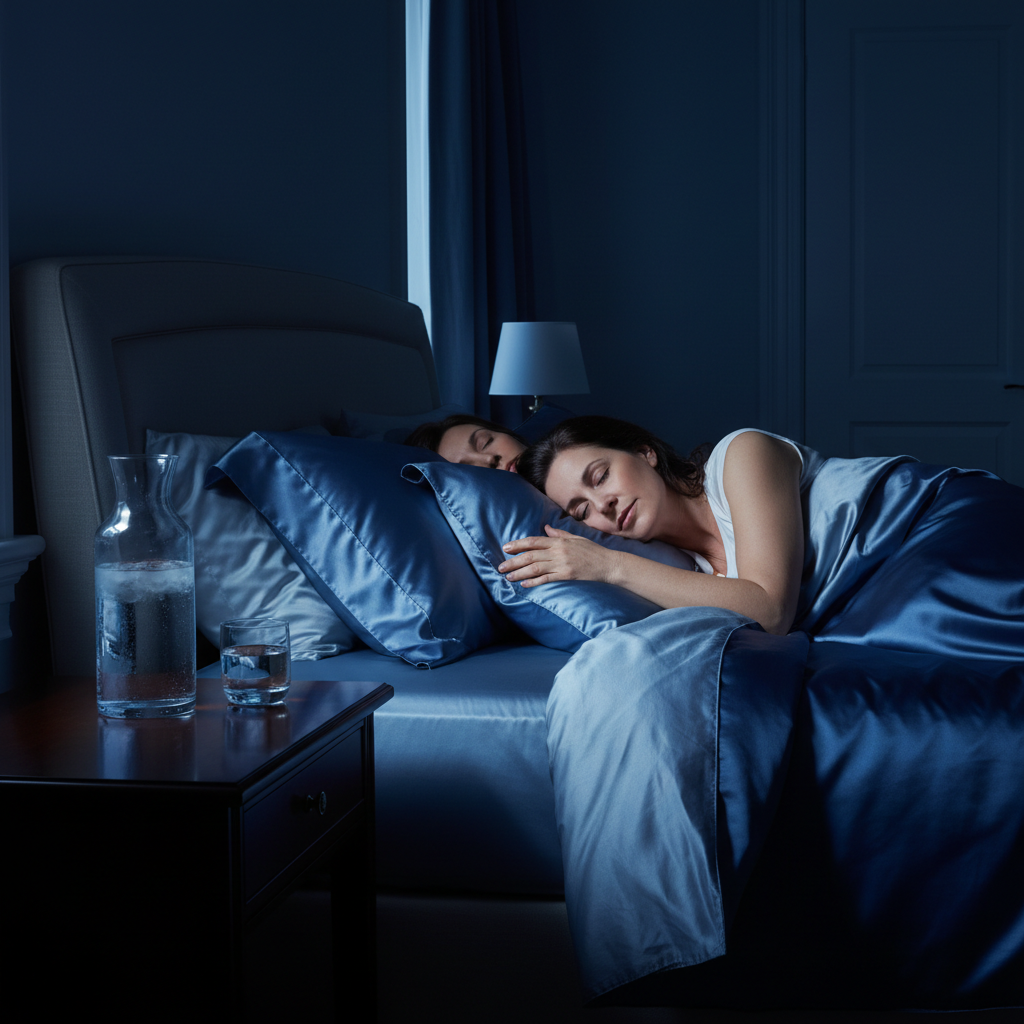
If you are finding yourself waking up at 3:00 AM drenched in sweat—yet you remain perfectly cool and collected during your 2:00 PM boardroom meeting—you aren't imagining things. This phenomenon, often referred to as "isolated night sweats," is a hallmark of the transition into menopause, but it remains one of the most frustratingly specific symptoms to manage.
While many women experience vasomotor symptoms (VMS) around the clock, some find that their internal thermostat only malfunctions under the cover of darkness. Understanding why your body chooses the midnight hour to simulate a sauna is the first step toward reclaiming your sleep.
Why do hot flashes happen at night only?
The physiological mechanism behind a night sweat is identical to a daytime hot flash: your "thermoneutral zone" narrows. According to the North American Menopause Society (NAMS), fluctuating estrogen levels trick the hypothalamus—the brain's thermostat—into thinking the body is overheating.
However, nighttime triggers are unique. During the day, you are upright, active, and your cortisol levels are naturally higher to help you manage stress. At night, your body undergoes a natural dip in core temperature to facilitate deep sleep. In perimenopause, this dip can trigger an over-correction. Your brain senses the cooling process, misinterprets it as a chill, and initiates a massive heat-release response (the sweat) to "warm" you back up.
Furthermore, the perimenopause symptoms checklist often reveals that nocturnal symptoms are exacerbated by "sleep inertia." Once the sweat breaks, the subsequent rapid cooling often jolts you awake, leading to the dreaded cycle of insomnia and temperature regulation issues.
Does your bedroom temperature actually matter?
It sounds overly simplistic, but the physics of your sleeping environment plays a massive role in whether a minor hormonal fluctuate turns into a full-blown "sheet-changer."
Research indicates that the ideal sleeping temperature for adults is between 60 and 67 degrees Fahrenheit. When the ambient air is too warm, your body struggles to shed heat. For a perimenopausal woman, a room that is 72 degrees might as well be 90.
| Cooling Variable | Impact on Night Sweats | Recommendation |
|---|---|---|
| Matress Material | High (Memory foam traps heat) | Switch to hybrid or latex with cooling gel |
| Bedding Fiber | Moderate (Polyester traps moisture) | Use 100% bamboo, linen, or percale cotton |
| Ambient Temp | High | Set thermostat to 65°F (18°C) |
| Humidity | Moderate | Use a dehumidifier to assist evaporative cooling |
Does alcohol play an outsized role in nocturnal symptoms?
You might enjoy that glass of Cabernet to help you "unwind," but for the perimenopausal brain, alcohol is liquid fuel for night sweats. Alcohol is a vasodilator, meaning it widens your blood vessels and increases skin temperature immediately.
More importantly, alcohol interferes with the liver’s ability to metabolize estrogen and affects the central nervous system’s temperature regulation. Studies highlighted by the National Institutes of Health (NIH) show that even moderate alcohol consumption can trigger significantly more severe nocturnal VMS compared to daytime flashes. Because the liver processes alcohol over several hours, that 7:00 PM drink often hits its peak metabolic "heat" right around 2:00 AM.
How does cortisol drive night sweats?
Cortisol is our primary stress hormone, and it follows a diurnal rhythm. Ideally, it should be lowest around midnight. However, perimenopause is a state of "hormonal chaos" where the HPA axis (hypothalamus-pituitary-adrenal) becomes hypersensitive.
If you are chronically stressed, your "nighttime cortisol" may spike. When cortisol rises, it triggers a surge in blood sugar and heart rate. This metabolic "engine revving" generates internal heat. This is why many women report that their night sweats are accompanied by a racing heart or a feeling of sudden anxiety. This intersection of metabolic health and hormones is also seen in perimenopause insulin resistance signs, where blood sugar instability further destabilizes the body's internal temp.
When is it not perimenopause?
While perimenopause is the most common culprit for women in their 40s, "night sweats only" can occasionally signal other underlying issues. It is vital to rule out these possibilities if symptoms are extreme or accompanied by weight loss:
- Thyroid Dysfunction: Often confused with menopause, hyperthyroidism or Hashimoto’s perimenopause overlap can cause intense heat intolerance.
- Sleep Apnea: Waking up sweaty and gasping for air is a classic sign of obstructive sleep apnea, which becomes more common as progesterone (a respiratory stimulant) drops.
- Medication Side Effects: SSRIs (antidepressants) are notorious for causing nocturnal sweating in up to 20% of users.
- Infection or Malignancy: Rare, but "drenching" sweats that require a full change of pajamas and occur every single night should be evaluated by a doctor to rule out lymphomas or hidden infections according to the Mayo Clinic.
What is the treatment ladder for night sweats?
Managing "night sweats only" requires a multi-pronged approach, starting with the least invasive "lifestyle" shifts and moving toward medical intervention.
- Level 1: Thermal Regulation. Invest in a bed cooling system (like a Chilipad or BedJet) that circulates cold water or air directly under your sheets. This bypasses the room temperature and cools your "microclimate."
- Level 2: Nutrient & Supplement Support. Magnesium glycinate before bed can help stabilize the nervous system and lower cortisol. Some women find relief with Vitamin E or Black Cohosh, though results are mixed in clinical literature.
- Level 3: Non-Hormonal Prescription Meds. If HRT isn't for you, low-dose Gabapentin taken at bedtime is highly effective at reducing the frequency of nocturnal flashes and improving sleep quality. Fezolinetant (Veozah) is a newer, non-hormonal FDA-approved option that targets the NK3 receptor in the brain to "turn down" the heat.
- Level 4: Hormone Replacement Therapy (HRT). For many, systemic estrogen is the "gold standard." By stabilizing estrogen levels, you stop the hypothalamus from panicking. If you are new to this path, check out our HRT for perimenopause beginners guide to understand the safety profile and options.
Summary
Waking up in a pool of sweat while the rest of your day feels "normal" is a specific physiological signal from your endocrine system. It’s your body’s way of saying it can no longer handle the natural temperature fluctuations of sleep combined with the erratic hormone shifts of perimenopause. By addressing your evening environment, checking your cortisol triggers, and considering targeted treatments, you can move from "drenched" to "dreaming" once again.
FAQ
Common questions
Why do I only get hot flashes at night and not during the day?
While daytime hot flashes are often triggered by movement, stress, or spicy foods, night sweats are specifically tied to the body's natural attempt to lower its core temperature for sleep, which the perimenopausal brain misinterprets as a 'chill' to be fought with heat.
Can one glass of wine cause night sweats?
Alcohol is a vasodilator and disrupts the liver's ability to regulate hormones. Because it takes hours to process, a drink in the evening often triggers a heat spike exactly when you are in deep sleep.
Does stress make night sweats worse?
Yes. Chronic stress leads to elevated nighttime cortisol, which increases heart rate and metabolic heat, often resulting in'anxious' night sweats.
When should I be worried about night sweats?
If you are experiencing 'drenching' sweats that require you to change your clothes or sheets, and they occur nearly every night, you should see a doctor to rule out thyroid issues or other underlying conditions.
Will HRT stop my night sweats?
Yes, estrogen therapy is considered the most effective treatment for vasomotor symptoms like night sweats, as it addresses the root cause: the hypothalamus's reaction to declining estrogen.
Want this in your inbox each Sunday?
New articles, the science you can actually use, and the occasional rant.
Keep reading
Perimenopause Symptoms Checklist: 38 Signs You're Not Imagining
A comprehensive, doctor-reviewed checklist of perimenopause symptoms — from the obvious hot flashes to the weird ones nobody warned you about.
9 min read

Hashimoto's and Perimenopause: Why Symptoms Overlap (and How to Tell Them Apart)
Fatigue, brain fog, weight gain, hair loss — Hashimoto's and perimenopause share most symptoms. Here's how to tell what's flaring, what's hormonal, and what to ask your doctor.
11 min read
Fibromyalgia and Perimenopause: When Two Storms Collide
Why fibromyalgia almost always flares during perimenopause, what changes in your nervous system, and the small daily shifts that actually help.
10 min read