
Night Sweats vs. Hot Flashes: The Perimenopause Difference
Learn the clinical difference between night sweats and hot flashes in perimenopause. Discover why nocturnal spikes happen and how to manage them for better sleep.
Published:
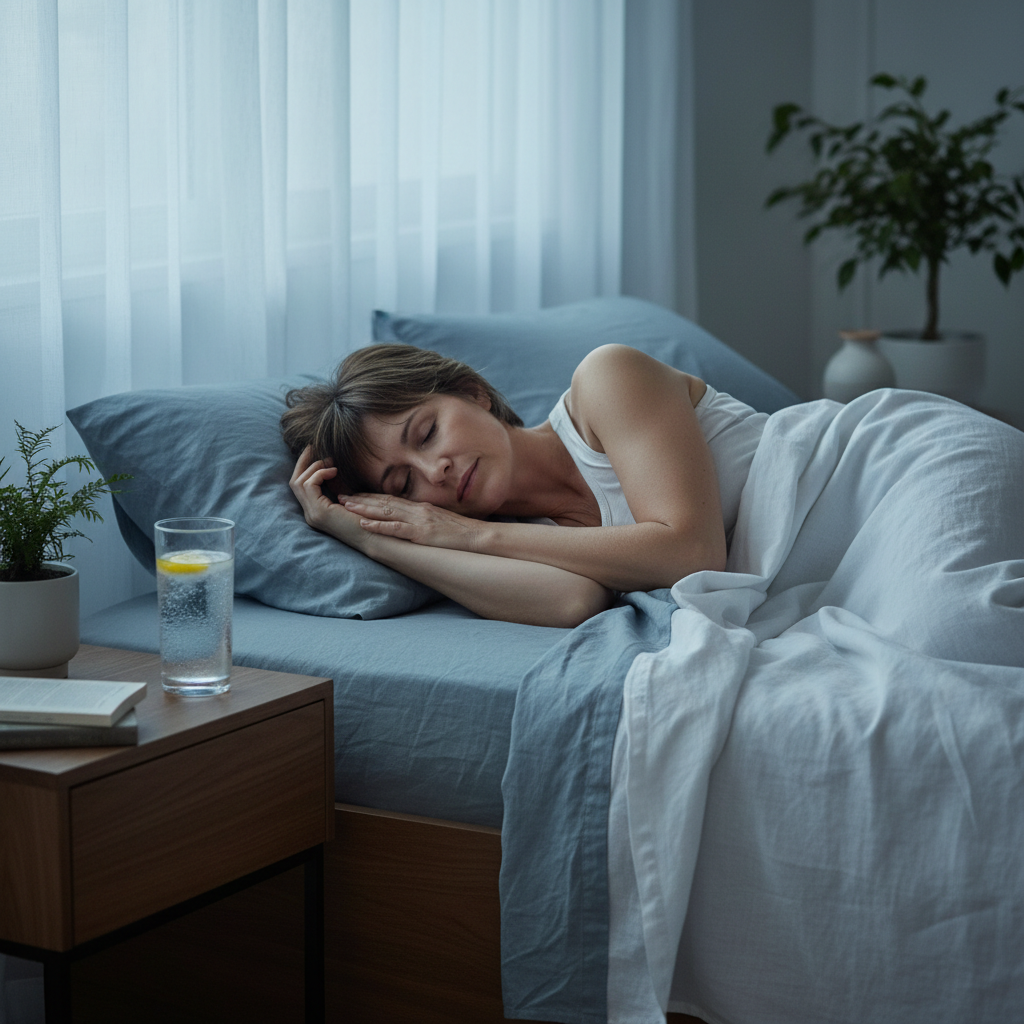
You wake up at 3:00 AM, the sheets clinging to your skin, your heart racing, and a damp chill settling into your bones. Just hours ago, you were perfectly fine, perhaps even feeling a bit chilly before bed. If this sounds familiar, you are navigating one of the most disruptive hallmarks of the menopausal transition.
While we often use the terms interchangeably, there is a distinct physiological and clinical night sweats vs hot flashes perimenopause difference. Understanding these nuances isn't just about semantics; it’s about decoding what your body is trying to tell you about your hormones, your nervous system, and your overall health during this transition.
What is the medical difference between a hot flash and a night sweat?
At their core, both hot flashes (vasomotor symptoms) and night sweats are caused by the same underlying mechanism: an exaggerated thermoregulatory response. However, their presentation and impact on your daily life differ significantly.
A hot flash is a sudden feeling of intense warmth over the upper body, usually most intense over the face, neck, and chest. It typically lasts from one to five minutes and may be accompanied by flushing (redness) and sweating. According to the Mayo Clinic, hot flashes are the most common symptom of the menopause transition.
A night sweat, clinically referred to as sleep-hyperhidrosis, is essentially a hot flash that occurs during sleep. The primary difference is the intensity of the perspiration and the subsequent disruption to the sleep cycle. While a daytime hot flash might make you reach for a fan, a true night sweat often requires changing your pajamas or even the bed linens.
| Feature | Hot Flash (Daytime) | Night Sweat (Nocturnal) |
|---|---|---|
| Primary Trigger | Ambient temp, stress, spicy food | Circadian rhythm, hormonal dips |
| Duration | 1 to 5 minutes | Varies; often involves waking up |
| Perspiration | Mild to moderate | Profuse; "soaking" |
| Recovery | Quick return to baseline | Often followed by "cold flashes" and insomnia |
| Impact | Social discomfort, temporary heat | Sleep deprivation, daytime fatigue |
If you are tracking your symptoms using a perimenopause symptoms checklist, you may notice that these two symptoms don't always appear at the same time or with the same frequency.
Why do some women only experience temperature spikes at night?
It is entirely possible—and actually quite common—to suffer from night sweats while remaining relatively "cool" during the day. This discrepancy often points to the role of the circadian rhythm and the way our bodies naturally regulate temperature during sleep.
Under normal circumstances, your core body temperature drops slightly in the evening to prepare you for sleep. However, during perimenopause, the "thermoneutral zone"—the temperature range in which the body feels comfortable—narrows significantly.
Several factors contribute to why your internal thermostat might malfunction specifically at night:
- Cortisol Spikes: If your body is under stress, a cortisol spike in the early morning hours can trigger a heat response.
- Estrogen Dips: Estrogen levels are not static; they fluctuate wildly in perimenopause but often reach their lowest points during the night.
- Blood Sugar Instability: Nocturnal hypoglycemia (low blood sugar) can trigger the sympathetic nervous system, leading to sweating and a racing heart. This is particularly relevant if you are noticing perimenopause insulin resistance signs.
How do fluctuating estrogen levels trigger the body's internal thermostat?
The hypothalamus is a small region at the base of the brain that acts as your body’s thermostat. It receives signals from the body and environment to keep your core temperature within a very tight range.
Estrogen plays a vital role in stabilizing the hypothalamus. As estrogen levels begin to swing unpredictably during perimenopause, the hypothalamus becomes hypersensitive. It misinterprets small increases in core body temperature as a sign that the body is dangerously overheating.
In response, the brain triggers a "cool-down" protocol:
- Vasodilation: The blood vessels near the skin’s surface dilate to release heat (causing the "flush").
- Sweating: The sweat glands activate to provide evaporative cooling.
- Heart Rate Increase: The heart pumps faster to move warm blood to the extremities.
Research published via the National Institutes of Health (NIH) suggests that the decline in estrogen affects neurotransmitters like norepinephrine and serotonin, which further destabilizes the thermoregulatory center. This is why many women find relief through HRT for perimenopause, as it provides the steady estrogen levels the hypothalamus needs to stay calm.
Can you have night sweats in perimenopause without having them during the day?
Yes, many women experience "isolated nocturnal hyperhidrosis." You might go through your entire workday feeling perfectly regulated, only to be drenched by 2:00 AM.
This often happens in the early stages of perimenopause. During this phase, your body may still be producing enough estrogen to manage daytime stressors, but the natural nocturnal decline in hormones crosses the threshold of what your hypothalamus can tolerate.
Furthermore, external factors at night can act as "threshold triggers." A heavy duvet, a glass of wine before bed, or a slightly warm bedroom might be enough to push your sensitive internal thermostat over the edge, even if those same factors wouldn't bother you during the day.
It is also important to differentiate these symptoms from other conditions. For instance, if you are also experiencing joint pain and extreme fatigue, it is worth exploring the fibromyalgia perimenopause symptoms connection, as systemic inflammation can sometimes exacerbate night sweats.
What are the 'cold flashes' that often follow a perimenopausal night sweat?
One of the most miserable aspects of night sweats is the "post-sweat chill" or cold flash. This occurs because your body’s cooling mechanism worked too well.
When the hypothalamus triggers profuse sweating, the moisture on your skin evaporates rapidly. If you are in a cool room or wearing damp pajamas, this evaporation strips heat from your body at an accelerated rate. Because your thermoregulatory zone is now so narrow, your body quickly swings from "too hot" to "too cold," leading to shivering and goosebumps as your body tries to generate heat again.
This seesaw effect is physically exhausting and is a major contributor to the "menopause brain fog" caused by fragmented sleep.
Are nocturnal temperature spikes a sign you are entering late perimenopause?
While night sweats can occur at any point in the transition, their frequency and intensity often increase as you move into late perimenopause.
According to the Endocrine Society, the "late transition" is characterized by more frequent skipped periods and longer intervals between cycles. During this time, estrogen levels remain lower for longer periods, which typically leads to a surge in vasomotor symptoms.
However, it is a myth that you must wait until your periods stop to seek help. If night sweats are affecting your quality of life in early perimenopause, your symptoms are valid. It is also a critical time to rule out other "mimickers." For example, thyroid dysfunction can cause similar temperature irregularities; exploring the Hashimoto's perimenopause overlap can help determine if your night sweats are purely hormonal or related to an underlying autoimmune issue.
When should you see a doctor about night sweats that disrupt sleep?
While night sweats are a common part of the perimenopausal journey, they are not always "just hormones." You should consult a healthcare provider if:
- Sleep Deprivation is Impacting Function: If you are unable to perform at work or drive safely due to exhaustion.
- Unexplained Weight Loss: If night sweats are accompanied by sudden weight loss, it could indicate thyroid issues or other underlying concerns.
- Fever: True night sweats are not usually accompanied by a clinical fever. If you have a high temperature, it may be an infection.
- Drenching Sweats are New and Severe: If you have never had a hot flash and suddenly begin having drenching night sweats, a full workup is necessary to rule out non-hormonal causes.
- Lymph Node Swelling: This requires immediate medical evaluation.
Medical professionals can offer various interventions, ranging from lifestyle adjustments and non-hormonal medications to Hormone Replacement Therapy. The North American Menopause Society (NAMS) emphasizes that treatment should be individualized based on the severity of symptoms and your personal health history.
Managing the Heat: Practical Tips
Until you and your doctor find a long-term solution, you can manage the night sweats vs hot flashes perimenopause difference with these environmental shifts:
- Layered Bedding: Use moisture-wicking sheets (like bamboo or linen) and layers rather than one heavy comforter.
- The "Chill" Pillow: Invest in a cooling gel pillow to help regulate head temperature.
- The 65-Degree Rule: Experts often suggest keeping the bedroom at or below 65°F (18°C) to help the body maintain its core temperature.
- Strategic Hydration: Keep a glass of ice water on the nightstand to sip immediately when a flash begins.
Understanding the difference between these two symptoms is the first step in reclaiming your sleep and your comfort. Whether you are dealing with a momentary midday flush or a midnight soak, your body is navigating a profound biological shift—and you don't have to do it in the heat alone.
FAQ
Common questions
What is the main difference between a hot flash and a night sweat?
A hot flash is a sudden surge of heat felt while awake, while a night sweat is a vasomotor event occurring during sleep that often results in drenching perspiration.
Can you have night sweats without having daytime hot flashes?
Yes. Many women experience night sweats as their first sign of perimenopause due to nocturnal estrogen dips, even if they feel fine during the day.
Why do I feel freezing cold right after a night sweat?
These are 'cold flashes.' They occur when the sweat from a night sweat evaporates quickly, causing the body's internal thermostat to overcorrect and feel chilled.
What triggers night sweats at night?
Alcohol, spicy foods, caffeine, high room temperatures, and stress are the most common external triggers for nocturnal temperature spikes.
Are night sweats a sign of late perimenopause?
While they can start in early perimenopause, night sweats often become more frequent and intense during the late transition as estrogen levels stay low for longer.
Does HRT help with night sweats?
Yes. By stabilizing estrogen levels, HRT can prevent the hypothalamus from overreacting to temperature changes, significantly reducing both hot flashes and night sweats.
Want this in your inbox each Sunday?
New articles, the science you can actually use, and the occasional rant.
Keep reading

Perimenopause Symptoms Checklist: 38 Signs You're Not Imagining
A comprehensive, doctor-reviewed checklist of perimenopause symptoms — from the obvious hot flashes to the weird ones nobody warned you about.
9 min read

Hashimoto's and Perimenopause: Why Symptoms Overlap (and How to Tell Them Apart)
Fatigue, brain fog, weight gain, hair loss — Hashimoto's and perimenopause share most symptoms. Here's how to tell what's flaring, what's hormonal, and what to ask your doctor.
11 min read

Fibromyalgia and Perimenopause: When Two Storms Collide
Why fibromyalgia almost always flares during perimenopause, what changes in your nervous system, and the small daily shifts that actually help.
10 min read