
Psoriasis Flares in Perimenopause: The Estrogen Link
Worsening psoriasis in your 40s? Explore the link between estrogen drops and psoriasis flares during perimenopause, including HRT and stress management.
Published:
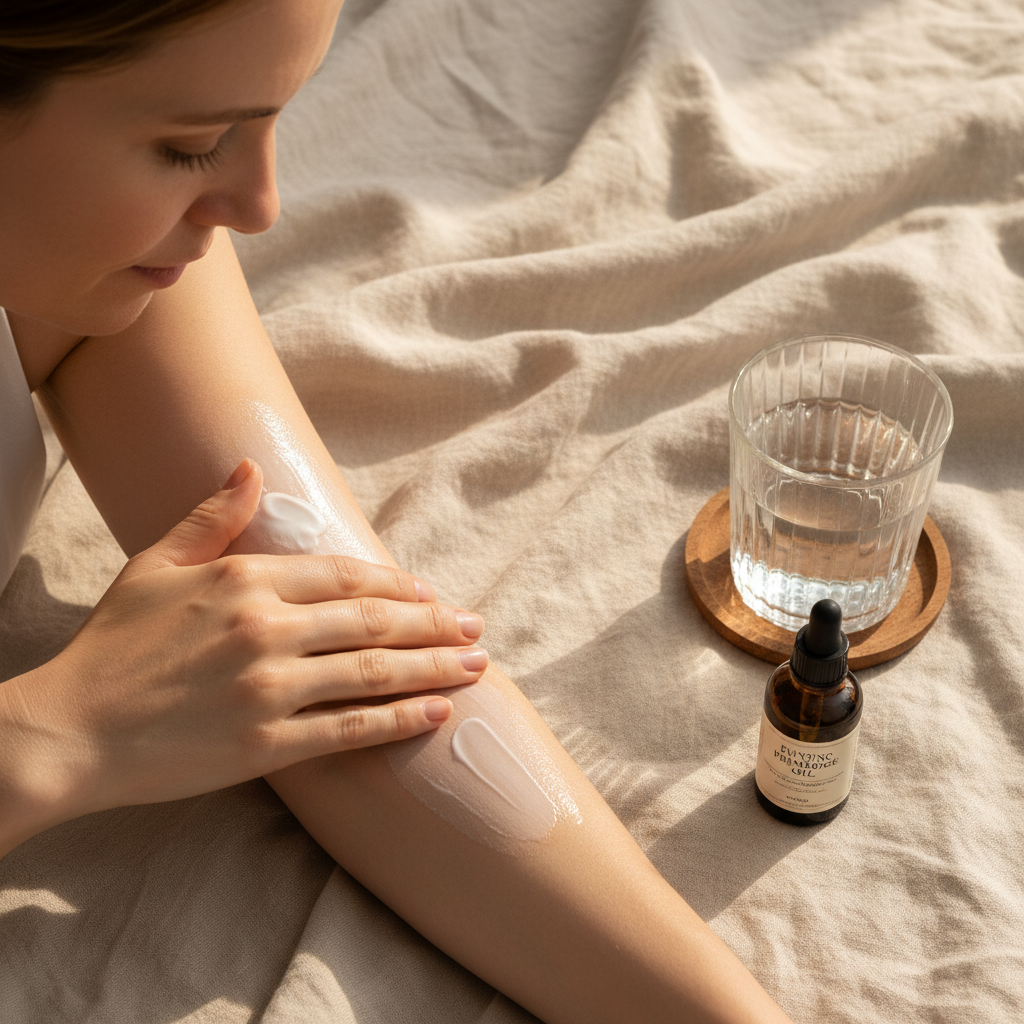
If you have lived with psoriasis for years, you likely know your triggers: a cold snap, a stressful week at work, or a particularly bad bout of the flu. But as you enter your 40s, you might notice those familiar silver scales are becoming more stubborn, more widespread, or appearing in places they never did before. You aren’t imagining it; for many women, the transition into perimenopause acts as a "perfect storm" for autoimmune skin conditions.
Understanding psoriasis flares during perimenopause and hormone links is essential for regaining control over your skin health. The fluctuations in estrogen and progesterone don't just affect your mood and menstrual cycle; they fundamentally shift the chemical environment of your skin and your immune system's threshold for inflammation.
Why does psoriasis get worse during the perimenopause transition?
The perimenopause transition is defined by erratic hormonal fluctuations. While some days your estrogen levels might be sky-high, the overall trend is a decline toward menopause. Research indicates that estrogen has a profound effect on the skin's barrier function, and when levels drop, the skin becomes thinner, drier, and less resilient.
Psoriasis is an immune-mediated disease. In a healthy cycle, estrogen helps modulate the immune response. However, during the perimenopause transition, the "withdrawal" of estrogen can lead to an up-regulation of pro-inflammatory cytokines, specifically IL-17 and TNF-alpha, which are the primary drivers of psoriatic plaque formation. This is why many women find that their perimenopause symptoms checklist includes new or worsening skin issues.
Furthermore, perimenopause is associated with an increase in systemic inflammation. If you are already managing other conditions, such as the Hashimoto’s perimenopause overlap, your immune system is already on high alert. The drop in hormones serves as the catalyst that pushes the immune system into an overactive state, manifesting as a flare-up.
What is the anti-inflammatory role of estrogen in skin health?
To understand why your skin feels like it's "on fire" during perimenopause, we have to look at what estrogen does when it's present in adequate amounts. Estrogen is essentially a "protective" hormone for the integumentary system.
- Collagen Production: Estrogen stimulates fibroblasts to produce collagen and elastin, maintaining skin thickness.
- Moisture Retention: It increases the production of acid mucopolysaccharides and hyaluronic acid in the skin, which keeps the skin hydrated from the inside out.
- Barrier Repair: Estrogen supports the lipid barrier, which prevents irritants from entering and moisture from escaping.
- Immune Modulation: Estrogen typically inhibits the overproduction of the T-cells that cause the rapid skin cell turnover characteristic of psoriasis.
When estrogen levels fluctuate wildly or plummet, the skin's "shield" is weakened. According to the Mayo Clinic, dry skin is a primary trigger for psoriasis. Without the moisture-retaining benefits of estrogen, the skin cracks easily. These micro-injuries can trigger the Koebner phenomenon—where psoriasis plaques form at the site of skin injury—leading to a relentless cycle of flaring.
| Estrogen Level | Effect on Skin Barrier | Psoriasis Risk |
|---|---|---|
| High/Stable | Strong, hydrated, resilient | Lower (General remission) |
| Fluctuating (Perimenopause) | Unstable, reactive | High (Frequent flares) |
| Low (Post-menopause) | Thin, dry, easily injured | Persistent (Chronic plaques) |
Can HRT help clear autoimmune skin plaques?
One of the most frequent questions women ask is whether Hormone Replacement Therapy (HRT) can serve as a treatment for psoriasis. While HRT is primarily indicated for vasomotor symptoms like hot flashes, its systemic anti-inflammatory effects cannot be ignored.
Clinical observations and some studies, such as those discussed by the North American Menopause Society (NAMS), suggest that stabilizing hormone levels can lead to a reduction in the severity of psoriasis. By replacing the missing estrogen, HRT can help restore the skin's moisture barrier and potentially dampen the pro-inflammatory T-cell response.
However, HRT is not a "cure." It is a tool that works best when integrated into a broader management plan. For many, starting a HRT for perimenopause beginners guide approach helps manage the "internal heat" and systemic inflammation that fuels skin flares. It is important to consult with a dermatologist and an endocrinologist, as the interaction between hormones and the immune system is complex. In some rare cases, hormonal shifts—even those caused by HRT—can trigger a temporary reaction as the body adjusts, though the long-term trend for most is improvement.
How do stress and perimenopause cortisol affect psoriasis flares?
Perimenopause is not just a time of estrogen loss; it is a time of increased cortisol. As the ovaries produce less progesterone—our natural "anti-anxiety" hormone—the body becomes more reactive to stress. This creates a physiological loop: low progesterone leads to higher perceived stress, which spikes cortisol.
Cortisol is a major trigger for psoriasis. When cortisol levels are chronically elevated, it disrupts the immune system's ability to regulate inflammation. This is often seen in women who also experience fibromyalgia perimenopause symptoms, where the nervous system and the immune system are both in a state of hyper-vigilance.
High cortisol also contributes to "leaky gut" and changes in the gut microbiome. Since a significant portion of our immune system resides in the gut, any imbalance there can manifest on the skin. Managing stress during perimenopause isn't just about "self-care"; it is a clinical necessity for controlling autoimmune activity.
What are the specific triggers: Alcohol, sugar, and hormone drops?
During perimenopause, your body becomes less "forgiving" of lifestyle triggers that you might have handled easily in your 30s. This is often due to the perimenopause insulin resistance signs that many women develop as estrogen wanes.
- Sugar and Refined Carbs: Spikes in insulin lead to spikes in systemic inflammation. High-glycemic foods can trigger the release of androgens and pro-inflammatory cytokines that directly worsen psoriasis plaques.
- Alcohol: Alcohol is a double-edged sword in perimenopause. It disrupts sleep (further increasing cortisol) and can lead to vasodilation. For many women, even one glass of wine can cause a "flush" that precedes a psoriasis flare. Furthermore, alcohol consumption has been linked to decreased efficacy of some psoriasis treatments.
- The "Luteal Drop": Even if you are still cycling, the days leading up to your period (when estrogen and progesterone drop) are peak times for a flare. In perimenopause, these "drops" happen more unpredictably, leading to the feeling that your psoriasis is "random" when it is actually tied to your shifting hormonal landscape.
Managing psoriasis: Topical vs. systemic treatments for women over 40?
Managing psoriasis after 40 requires a nuanced approach that addresses both the skin surface and the internal environment.
Topical Treatments
For mild to moderate flares, topicals remain the first line of defense. However, because perimenopausal skin is thinner, doctors often recommend:
- Calcipotriene: A form of Vitamin D that slows skin cell growth without the skin-thinning risks of long-term steroid use.
- Low-potency Corticosteroids: Used sparingly to avoid further atrophy (thinning) of the skin.
- Heavy Emollients: Using ceramides and urea-based creams to replace the lipid barrier that estrogen used to maintain.
Systemic and Biologic Treatments
If psoriasis covers more than 5-10% of the body or affects joints (psoriatic arthritis), systemic treatments may be necessary.
- Biologics: These target specific parts of the immune system (like TNF-alpha or IL-17). According to the American Academy of Dermatology, biologics are often highly effective for women in midlife because they address the root cause of the inflammation rather than just the symptoms.
- Phototherapy: Narrowband UVB light can be incredibly helpful for women in perimenopause as it also helps the body produce Vitamin D, which is often low during this transition and is vital for immune regulation.
How can you adapt your routine for perimenopausal skin?
To manage psoriasis flares during perimenopause and hormone links, you must treat your skin with extreme gentleness while aggressively managing internal inflammation.
- Lower the Water Temperature: Hot showers strip away the precious few lipids your skin is still producing. Switch to lukewarm water and "soak and smear"—applying thick moisturizer within three minutes of exiting the shower.
- Anti-Inflammatory Diet: Focus on Omega-3 fatty acids (fatty fish, flaxseeds) which have been shown to reduce the severity of psoriasis. Reducing gluten and dairy also helps some women, particularly if they have underlying sensitivities.
- Prioritize Sleep: Growth hormone, which aids in skin repair, is released during deep sleep. Since perimenopause often disrupts sleep, using magnesium or addressing night sweats is a critical part of your skin-clearance strategy.
- Hormone Support: Work with a provider to check your levels. While "normal" ranges are broad, your "optimal" range might be higher than what the lab test suggests.
Conclusion
Psoriasis in perimenopause is more than just a "skin issue"—it is a visible sign of the profound internal shifts happening in your endocrine and immune systems. By understanding the link between dropping estrogen, rising cortisol, and the inflammatory response, you can move away from just "chasing spots" with cream and toward a holistic management plan that keeps your skin radiant and your body resilient.
The transition through perimenopause is a time of recalibration. As your hormones find a new baseline, your skin may require a new level of care. Whether it's through HRT, targeted biologics, or nutritional shifts, relief is possible. You are not alone in this journey, and with the right tools, you can manage these flares and embrace the radiance of your next chapter.
FAQ
Common questions
Can perimenopause cause psoriasis for the first time?
Yes. Estrogen is a natural anti-inflammatory. When levels drop during perimenopause, the body's inflammatory response can increase, leading to the first appearance of psoriasis or the worsening of existing plaques.
Does HRT help with psoriasis flares?
For many women, HRT can help. By stabilizing estrogen levels, HRT can improve skin barrier function and reduce systemic inflammation, though it is usually used alongside traditional psoriasis treatments.
Why does dry skin in perimenopause trigger psoriasis?
Lower estrogen leads to drier, thinner skin. Psoriasis thrives on dry, compromised skin (the Koebner phenomenon), making flares more frequent and harder to heal during the menopausal transition.
Do hot flashes make psoriasis worse?
Internal heat from hot flashes can cause sweating and irritation, which may trigger 'inverse psoriasis' in skin folds or exacerbate itching in existing plaques.
Are joint pain and skin flares linked in perimenopause?
Yes. Psoriasis and Psoriatic Arthritis often flare during hormone shifts. Many women report increased joint pain alongside skin flares during perimenopause due to the loss of estrogen's protective effect on joints.
What is the best way to manage perimenopausal psoriasis naturally?
Focus on a high-Omega-3, anti-inflammatory diet, prioritize sleep to manage cortisol, and use thick, ceramide-rich emollients to compensate for the loss of natural skin oils.
Want this in your inbox each Sunday?
New articles, the science you can actually use, and the occasional rant.
Keep reading

Perimenopause Symptoms Checklist: 38 Signs You're Not Imagining
A comprehensive, doctor-reviewed checklist of perimenopause symptoms — from the obvious hot flashes to the weird ones nobody warned you about.
9 min read

Hashimoto's and Perimenopause: Why Symptoms Overlap (and How to Tell Them Apart)
Fatigue, brain fog, weight gain, hair loss — Hashimoto's and perimenopause share most symptoms. Here's how to tell what's flaring, what's hormonal, and what to ask your doctor.
11 min read

Fibromyalgia and Perimenopause: When Two Storms Collide
Why fibromyalgia almost always flares during perimenopause, what changes in your nervous system, and the small daily shifts that actually help.
10 min read