
Sjogren’s or Perimenopause? Decoding Dry Eyes and Mouth
Struggling with dry eyes and mouth? Learn how to distinguish between Sjögren’s syndrome and perimenopause symptoms, including causes, hallmark signs, and treatments.
Published:
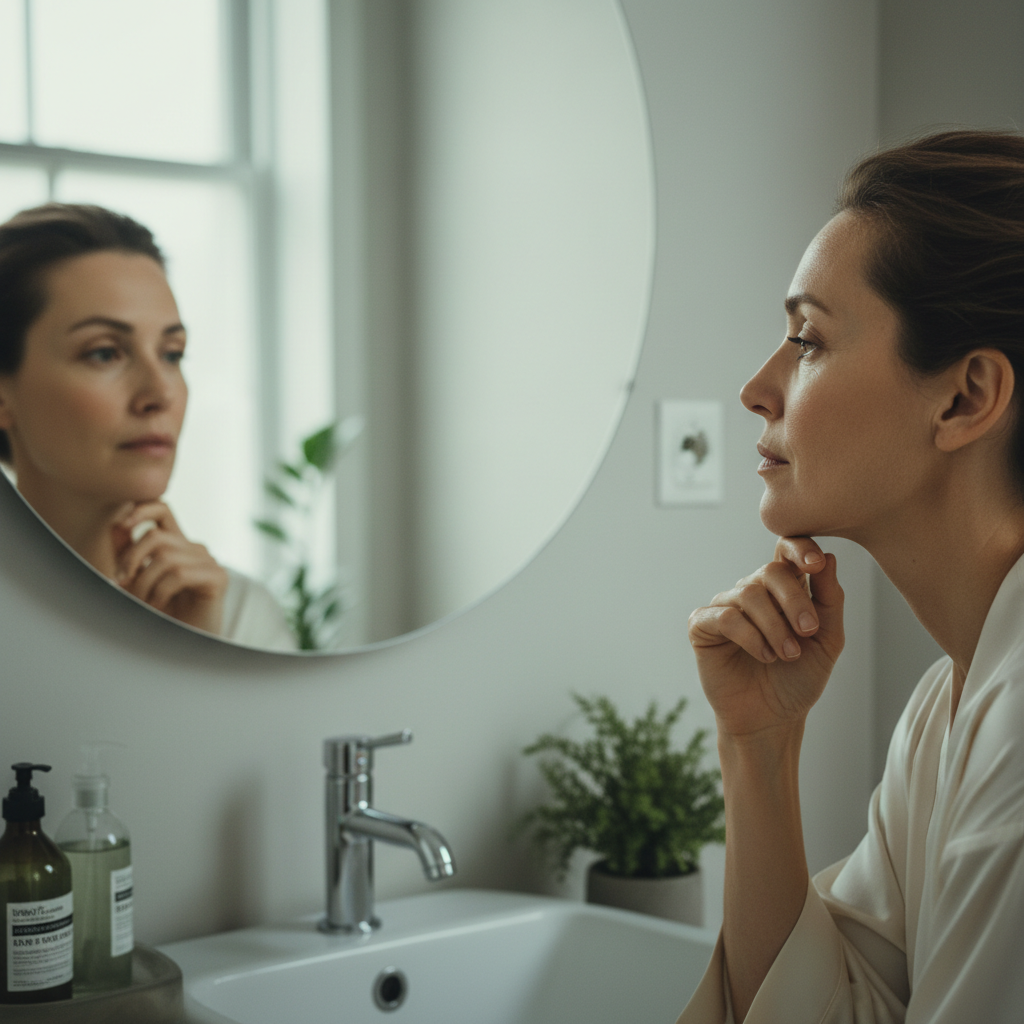
Whether you are waking up with a mouth that feels like it’s filled with cotton or reaching for eye drops every hour, chronic dryness is more than a nuisance—it’s a quality of life issue. If you are in your 40s or 50s, you may find yourself wondering: is this just another sign of the "change," or is something more systemic, like Sjögren’s syndrome, at play?
Distinguishing between dry eyes and mouth in perimenopause or Sjögren's syndrome is a common challenge for both women and their healthcare providers. Because hormone receptors are located in nearly every tissue of the body, falling estrogen levels can mimic autoimmune conditions with startling accuracy. This guide will help you decode your symptoms, understand the physiological links, and find the right path to relief.
Is your dry mouth a hormone shift or an autoimmune flare?
When you enter perimenopause, your body begins a complex dance of fluctuating hormones. Estrogen, in particular, plays a critical role in maintaining the moisture of mucous membranes throughout the body. When estrogen levels drop, the production of saliva and tears often diminishes, leading to "sicca" symptoms—the medical term for dryness.
However, Sjögren’s syndrome is a systemic autoimmune disease where your immune system mistakenly attacks its own moisture-producing glands, primarily the lacrimal (tear) and salivary glands. According to the National Institutes of Health (NIH), Sjögren’s affects women significantly more often than men, with a typical onset often coinciding with the menopausal transition.
This overlap creates a diagnostic "gray zone." You might assume your dry mouth is just a side effect of aging, while an underlying autoimmune process is actually the culprit. Conversely, many women are misdiagnosed with autoimmune issues when their symptoms are purely hormonal. Exploring a perimenopause symptoms checklist can help you see if your dryness is accompanied by other hormonal markers like hot flashes or cycle irregularities.
How does declining estrogen mimic the symptoms of Sjögren’s?
To understand why these two conditions look so similar, we have to look at cellular biology. Estrogen is naturally anti-inflammatory and helps regulate the function of the epithelial cells in your glands. As levels decline during perimenopause, the following happens:
- Reduced Mucous Secretion: Lower estrogen directly impacts the production of mucin, the lubricating component of saliva and tears.
- Increased Inflammation: Estrogen helps keep systemic inflammation in check. As it wanes, minor inflammatory responses in the eyes and mouth can feel much more severe, mimicking the "flare-ups" seen in Sjögren’s.
- Tissue Thinning: Just as estrogen loss leads to vaginal atrophy (thinning and drying of the vaginal walls), it can lead to similar thinning of the tissues in the mouth and throat.
Because Sjögren’s also involves the inflammation and eventual destruction of these same glands, the end result—parched eyes and a sandy-feeling mouth—looks identical on the surface. This is why it is essential to look at the broader picture. If you are also experiencing widespread pain or exhaustion, you may want to investigate the fibromyalgia-perimenopause symptoms overlap, as Sjögren’s often co-exists with other chronic pain conditions.
Can perimenopause trigger a dormant autoimmune eye condition?
A pivotal question many researchers are asking is whether the shift into perimenopause acts as a "triggering event" for autoimmune diseases. There is significant evidence that sex hormones modulate the immune system. The American College of Rheumatology notes that the peak incidence of Sjögren’s occurs in women in their late 40s and early 50s.
The "Two-Hit Hypothesis" suggests that a person might have a genetic predisposition for Sjögren’s (the first hit) but remains asymptomatic until a major physiological stressor occurs. The profound drop in estrogen and progesterone during perimenopause may serve as that "second hit," pushing a dormant immune response into an active, symptomatic state.
If you already manage other autoimmune issues, such as thyroid dysfunction, you should be particularly vigilant. Understanding the Hashimoto’s perimenopause overlap is crucial, as autoimmune conditions often travel in clusters. If your body is already attacking your thyroid, it is statistically more likely to develop Sjögren’s during the hormonal turbulence of midlife.
What are the hallmark signs that distinguish Sjögren’s from menopause dryness?
While the symptoms overlap, there are specific "red flags" that point more strongly toward an autoimmune cause rather than simple hormonal decline.
| Feature | Perimenopause Dryness | Sjögren’s Syndrome |
|---|---|---|
| Primary Cause | Declining Estrogen/Progesterone | Immune system attacking glands |
| Systemic Symptoms | Hot flashes, night sweats, mood swings | Severe fatigue, joint pain, Raynaud's |
| Salivary Glands | May feel dry, but rarely swollen | Visible swelling of jaw/cheek glands |
| Blood Markers | Elevated FSH/LH, Low Estradiol | Positive SSA (Ro) or SSB (La) antibodies |
| Dental Issues | Gradual increase in cavities | Rapid, severe tooth decay and oral thrush |
| Response to HRT | Often improves significantly | Usually persists despite hormone therapy |
One of the most defining characteristics of Sjögren’s is the involvement of other organ systems. While perimenopause can cause joint "aches," Sjögren’s often presents with true inflammatory arthritis (swelling and redness). Additionally, if your dry mouth is accompanied by "brain fog" that feels more like cognitive impairment than simple forgetfulness, it may be time to consult a rheumatologist. In some cases, metabolic changes like perimenopause insulin resistance signs can also exacerbate dryness, making a comprehensive blood panel essential.
Why do my eyes feel gritty and dry only during certain cycle phases?
If you are still having monthly cycles, you might notice that your dry eyes and mouth fluctuate with your period. This is often a tell-tale sign that hormones are the primary driver.
In a typical menstrual cycle, estrogen peaks just before ovulation and then drops during the luteal phase (the week before your period). Many women find that their "gritty" eye sensation or morning dry mouth becomes significantly worse during this low-estrogen window. According to research published by the North American Menopause Society (NAMS), the ocular surface is highly sensitive to these hormonal shifts.
If your dryness is strictly cyclical, it is less likely to be Sjögren’s, which typically presents as a persistent, chronic condition that does not wax and wane with the menstrual cycle. Keeping a symptom diary for three months can provide invaluable data for your doctor to determine if your "flares" are actually just your natural hormonal troughs.
What treatments work for both hormonal and autoimmune dryness?
The good news is that whether your dryness is caused by Sjögren’s or perimenopause, several strategies can provide relief. Most experts recommend a "bottom-up" approach, starting with environmental changes and moving toward medical interventions.
- Hydration and Oral Care: Sipping water throughout the day is vital. Use alcohol-free mouthwashes and toothpastes specifically designed for "dry mouth" (Xerostomia) to prevent tooth decay, which is a major risk for both conditions.
- Hormone Replacement Therapy (HRT): For many women, stabilizing estrogen levels can resolve or significantly improve sicca symptoms. If you are new to this option, our HRT for perimenopause beginners guide covers what to expect.
- Prescription Eye Drops: For severe dry eye (keratoconjunctivitis sicca), medications like cyclosporine or lifitegrast (Restasis or Xiidra) can help reduce inflammation of the ocular surface.
- Sialagogues: These are medications that stimulate saliva production, such as pilocarpine or cevimeline. These are more commonly used for Sjögren’s but can be used in severe menopause-related dryness as well.
- Anti-Inflammatory Diet: Since both conditions involve inflammatory pathways, many women find relief by increasing Omega-3 fatty acid intake. The Mayo Clinic suggests that Omega-3s may help improve the quality of the oil (meibum) in your tears.
Navigating the Path to Diagnosis
If you are struggling with persistent dry eyes and mouth, do not settle for "it’s just getting older." Start by visiting your OB/GYN to assess your hormonal status and your Optometrist for a Schirmer’s test, which measures tear production.
If your dry mouth is accompanied by significant joint pain, persistent fatigue, or swollen glands, request a referral to a rheumatologist. They will likely run a "Sjögren’s Panel," looking for specific antibodies like ANA, RF, SS-A (Ro), and SS-B (La).
Remember, your body is an interconnected system. The same estrogen that protects your bone density and heart health also keeps your eyes bright and your smile comfortable. By identifying whether your symptoms are purely hormonal or have an autoimmune component, you can target your treatment and reclaim your radiance.
Whether it is a simple adjustment in your skincare and hydration routine or the introduction of systemic HRT, you deserve to feel comfortable in your own skin—and that starts with understanding the "why" behind the dryness. Reach out to your healthcare team today and start the conversation. You don't have to navigate this transition parched.
FAQ
Common questions
How can I tell if my dry mouth is Sjögren’s or menopause?
While both cause dryness, Sjögren’s is often accompanied by swelling of the salivary glands, severe joint pain, and specialized antibodies in blood tests, whereas perimenopause dryness typically fluctuates with the menstrual cycle and responds well to HRT.
Can perimenopause cause severe dry eyes?
Yes. Estrogen helps maintain the moisture-producing glands in the eyes. When levels drop during perimenopause, the thin film of tears can evaporate more quickly, leading to a gritty or sandy sensation.
Can menopause trigger an autoimmune disease like Sjögren’s?
Yes. Because hormones regulate the immune system, the significant drop in estrogen during perimenopause can trigger or worsen autoimmune conditions like Sjögren’s in women who are genetically predisposed.
What tests diagnose Sjögren’s syndrome?
Standard tests include the Schirmer’s test (for tear production), salivary flow tests, and blood work to check for specific antibodies like SSA (Ro) and SSB (La).
Does HRT help with dry eyes and mouth?
Many women find significant relief from dryness when using HRT, as it restores the estrogen floors necessary for mucous membrane health, although it may not completely solve the problem if Sjögren’s is also present.
When should I see a doctor about chronic dryness?
If you experience persistent dryness for more than a few weeks despite hydration, or if it is accompanied by swollen glands, joint pain, or rapid tooth decay, consult a doctor immediately.
Want this in your inbox each Sunday?
New articles, the science you can actually use, and the occasional rant.
Keep reading

Perimenopause Symptoms Checklist: 38 Signs You're Not Imagining
A comprehensive, doctor-reviewed checklist of perimenopause symptoms — from the obvious hot flashes to the weird ones nobody warned you about.
9 min read

Hashimoto's and Perimenopause: Why Symptoms Overlap (and How to Tell Them Apart)
Fatigue, brain fog, weight gain, hair loss — Hashimoto's and perimenopause share most symptoms. Here's how to tell what's flaring, what's hormonal, and what to ask your doctor.
11 min read

Fibromyalgia and Perimenopause: When Two Storms Collide
Why fibromyalgia almost always flares during perimenopause, what changes in your nervous system, and the small daily shifts that actually help.
10 min read