
Vasculitis or Perimenopause? Overlapping Symptoms at 40+
Confused by rashes, joint pain, and fatigue? Learn how to distinguish between vasculitis symptoms in women over 40 vs perimenopause and when to see a specialist.
Published:
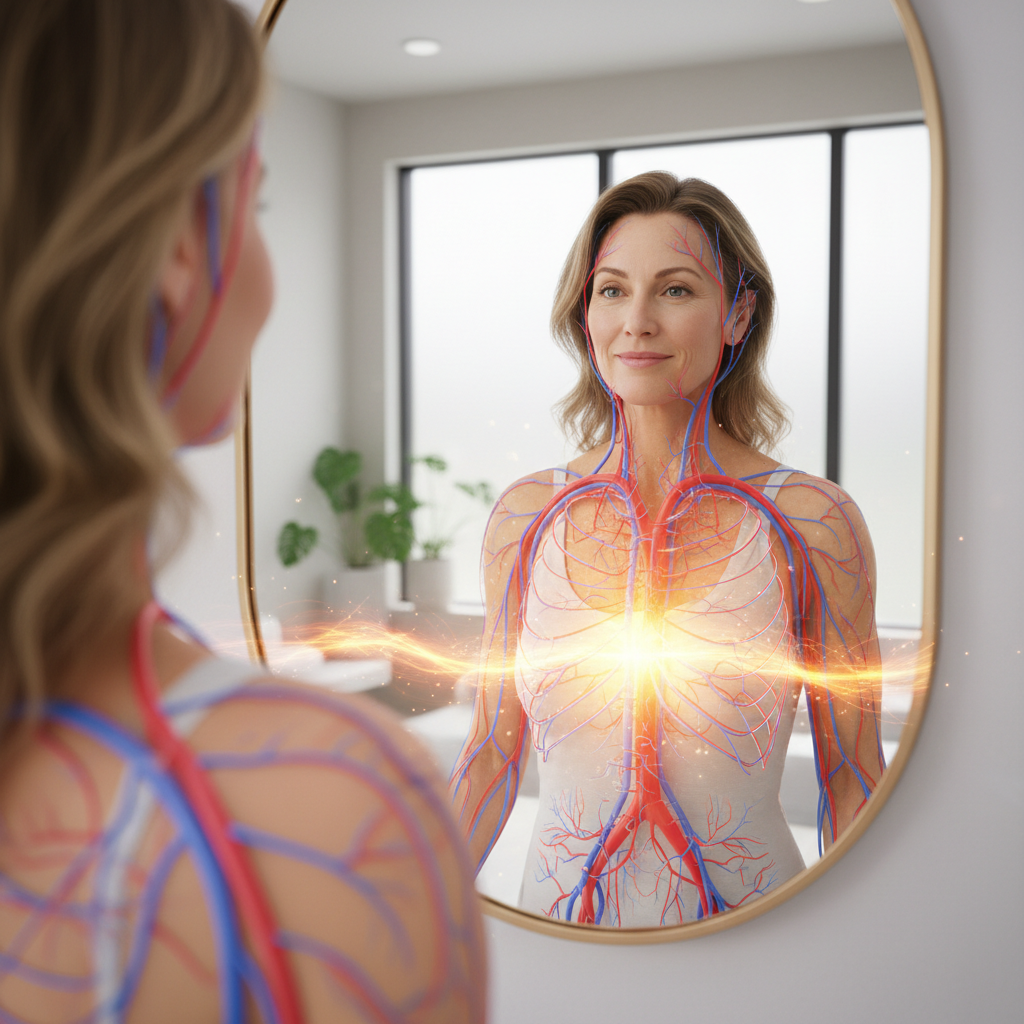
You’re in your 40s, and suddenly, your body feels like a stranger. Perhaps you’re experiencing unexplainable fatigue, aching joints, or strange skin sensations. Your first thought might be the "Change"—perimenopause. Given that over 30 symptoms are linked to hormonal shifts, it is a logical conclusion. However, for a small but significant number of women, these symptoms aren't just "hormones"; they are signs of vasculitis, a group of rare autoimmune conditions that cause inflammation of the blood vessels.
Distinguishing between vasculitis symptoms in women over 40 vs perimenopause is critical because while perimenopause is a natural life transition, vasculitis can be life-threatening if left untreated. Understanding where these two worlds overlap—and where they diverge—is the first step toward getting the relief and medical care you deserve.
What are the early signs of vasculitis in women over 40?
Vasculitis occurs when your immune system mistakenly attacks your blood vessels, causing them to become swollen, narrow, or scarred. This restricts blood flow to vital organs and tissues. Because blood vessels are everywhere, the symptoms can mimic many other conditions, including the perimenopause symptoms checklist.
In women over 40, the most common early sign is "constitutional symptoms." These are vague, systemic feelings of being unwell that include:
- Extreme Fatigue: Not just the "I didn't sleep well" tiredness of perimenopause, but a crushing exhaustion that doesn't improve with rest.
- Unintentional Weight Loss: While perimenopause often brings weight gain due to perimenopause insulin resistance signs, vasculitis often causes the scale to drop without effort.
- Low-Grade Fever: Frequent "night sweats" in perimenopause are usually brief flashes of heat without an actual rise in core body temperature. Vasculitis often involves a persistent, measurable low-grade fever (Mayo Clinic).
- Night Sweats: Yes, both conditions cause these, but in vasculitis, they are often accompanied by other "sick" symptoms like a persistent cough or sinus pain.
Specific types of vasculitis, such as Giant Cell Arteritis (GCA), are more common as we age. GCA typically affects women over 50 and causes severe headaches, scalp tenderness, and jaw pain while chewing (American College of Rheumatology). If you find yourself reaching for ibuprofen daily for a new type of headache, it’s time to look beyond your hormone levels.
How do vasculitis skin rashes differ from perimenopause hives?
Skin changes are a hallmark of the 40+ transition. Estrogen keeps our skin plump and hydrated; as it drops, we deal with dryness, itching, and occasionally, "hormonal hives" or dermatographism. However, vasculitis presents with very distinct dermatological markers.
The most common skin sign of vasculitis is palpable purpura. These are small, purple or red spots that look like tiny bruises or dots. Unlike a typical heat rash or perimenopause-related hive, these spots are slightly raised and do not blanch (turn white) when you press on them.
| Feature | Perimenopause Skin Issues | Vasculitis Skin Rashes |
|---|---|---|
| Appearance | Hives, dry patches, or acne | Purple/red dots (purpura) or lacy patterns (livedo reticularis) |
| Texture | Usually flat or itchy bumps | Often raised, firm, or "palpable" |
| Sensation | Intense itching or "crawling" feeling | May be painful, stinging, or asymptomatic |
| Reaction to Pressure | Usually turns white (blanches) | Does not blanch when pressed |
| Duration | Comes and goes with cycle/triggers | Persistent and may lead to skin ulcers |
Another common sign of autoimmune vascular issues is livedo reticularis, a purplish, net-like pattern on the skin (usually the legs). While some women see this when they are cold, if it becomes permanent or appears with nodules, it is a red flag for underlying inflammation (Cleveland Clinic).
Is it perimenopause joint pain or autoimmune inflammation?
"Everything hurts" is a frequent refrain in perimenopause. Estrogen acts as a natural anti-inflammatory in the joints, so as it wanes, many women experience "menopausal arthralgia." This is often confused with fibromyalgia perimenopause symptoms or early-stage vasculitis.
Distinguishing the two requires a close look at the timing and nature of the pain:
- Perimenopause Joint Pain: Often worse in the morning but improves as you move. It tends to fluctuate with your menstrual cycle and focuses on the fingers, knees, and hips.
- Vasculitis Joint Pain: Usually accompanied by visible swelling (edema), redness, and warmth in the joint. It is often migratory, meaning it moves from one joint to another over several days.
In certain types of vasculitis, such as Polymyalgia Rheumatica (which is closely linked to GCA), the pain is concentrated in the shoulders and hips, making it difficult to even get out of bed or brush your hair. If your joint pain is accompanied by "clippity-clop" sounds or pins-and-needles sensations (paresthesia) in your feet, it could indicate that the small blood vessels supplying your nerves are inflamed (NIH).
Why vasculitis and perimenopause symptoms are often confused
The confusion stems from the fact that both conditions are multisystemic. They don't just affect one "spot"; they affect how you feel from head to toe.
- Brain Fog: Both cause cognitive "haziness." In perimenopause, this is due to estrogen's effect on neurotransmitters. In vasculitis, it may be due to "cerebral vasculitis" or systemic inflammation affecting blood flow to the brain (Johns Hopkins Medicine).
- Mood Changes: Anxiety and irritability are classic hormonal shifts. However, the chronic pain and "unwellness" of an undiagnosed autoimmune condition can mimic clinical depression.
- Similar Demographic: Both conditions frequently emerge or flare in women in their 40s and 50s.
- Shared Triggers: Stress can trigger both a "hot flash" and an autoimmune flare, making it hard to tell which system is driving the bus.
It is common for women to be told their symptoms are "just age" or "just stress." If you feel like your symptoms are more aggressive than a typical hormonal shift—or if they don't respond to standard perimenopause interventions—it is vital to dig deeper. Much like the Hashimoto's perimenopause overlap, we must look at the body as a whole.
The connection between estrogen decline and blood vessel health
There is a biological reason why vasculitis and perimenopause cross paths: estrogen is a protector of the vascular system. Estrogen helps keep blood vessels flexible (vasodilation) and dampens the inflammatory response of the immune system.
As estrogen levels drop during perimenopause:
- Vascular Stiffness Increases: Blood vessels become less "stretchy," which can exacerbate existing vascular issues.
- Immune Dysregulation: For women predisposed to autoimmunity, the fluctuating hormones of the 40s can act as a "second hit," potentially triggering the onset of vasculitis or worsening an existing condition (National Institutes of Health).
This is why many women find that HRT for perimenopause beginners guide helps with some symptoms, but if vasculitis is present, HRT alone won't solve the underlying inflammation. However, keeping hormones stable can sometimes make the immune system less "reactive," providing a dual benefit.
What blood tests can distinguish vasculitis from hormonal shifts?
If you and your doctor suspect your symptoms go beyond perimenopause, a specific panel of tests is required. Standard "well-woman" blood work often misses the markers for vasculitis.
1. Inflammatory Markers (ESR and CRP): The Erythrocyte Sedimentation Rate (ESR) and C-Reactive Protein (CRP) measure general inflammation in the body. While perimenopause might cause slightly elevated CRP due to lifestyle factors, vasculitis often causes these numbers to skyrocket to very high levels.
2. Complete Blood Count (CBC): Vasculitis often causes anemia (low red blood cells) or a high white blood cell count. While heavy perimenopausal periods can also cause anemia, the combination of anemia with high inflammatory markers is a strong signal for vasculitis.
3. ANCA Test: The Antineutrophil Cytoplasmic Antibodies (ANCA) test is a specific blood test used to help diagnose certain types of small-vessel vasculitis, such as Granulomatosis with Polyangiitis (GPA).
4. Urinalysis: Vasculitis can attack the kidneys without causing any pain. A simple urine test looking for blood or protein is a powerful screen for systemic involvement.
5. Imaging: In cases of suspected Takayasu's arteritis or GCA, doctors may use Ultrasound, MRI, or PET scans to look for thickening of the arterial walls.
Managing autoimmune flares during the perimenopause transition
Navigating both a hormonal transition and an autoimmune condition requires a "S.H.I.N.E." approach—focusing on Sleep, Hormones, Inflammation, Nutrition, and Exercise.
- Prioritize Anti-Inflammatory Nutrition: Focus on Omega-3 fatty acids, turmeric, and leafy greens. These support both heart health during the estrogen drop and dampen the "cytokine storm" associated with vasculitis.
- Stress Modulation: Stress is a known trigger for both perimenopause symptoms and vasculitis flares. Adaptogens like Ashwagandha (if cleared by your rheumatologist) or mindfulness practices are essential.
- Coordinate Care: Ensure your gynecologist and your rheumatologist are talking to each other. Your treatment for vasculitis (often corticosteroids or immunosuppressants like methotrexate) can interact with how you experience perimenopause symptoms.
- Gentle Movement: Avoid high-impact exercise during a flare. Instead, focus on restorative yoga or swimming to maintain joint mobility without overtaxing the vascular system.
When to Seek Medical Attention Immediately
While many symptoms can wait for a scheduled appointment, seek immediate care if you experience:
- Sudden vision changes or "curtain falling" over one eye.
- Extreme, "worst headache of your life" localized to the temples.
- Numbness or weakness in a limb (foot drop).
- Shortness of breath or coughing up blood.
Perimenopause is a complex time, but you know your body best. If something feels "more than" hot flashes and mood swings, trust that inner voice and ask for the specific tests that can rule out or confirm vasculitis. You don't have to navigate these overlapping symptoms alone.
By understanding the subtle differences between hormonal shifts and vascular inflammation, you can reclaim your health and move through your 40s (and beyond) with radiance and resilience. High-quality care starts with accurate information—and you are now equipped with the knowledge to advocate for yourself.
FAQ
Common questions
How can I tell if my hot flashes are actually vasculitis fevers?
Vasculitis is an autoimmune inflammation of blood vessels, while perimenopause is a hormonal decline. Vasculitis often causes measurable fever and high inflammatory markers, whereas perimenopause flashes don't typically raise core body temp.
Is my rash a perimenopause hive or a vasculitis sign?
Vasculitis skin spots (purpura) are usually raised, purple/red, and do not fade or 'blanch' when pressed. Perimenopause hives are typically itchy, flat or welt-like, and blanch when pressed.
Can perimenopause cause the same joint pain as vasculitis?
While perimenopause causes 'achy' joints that improve with movement, vasculitis joint pain often includes visible swelling, warmth, and redness, and may migrate between joints.
Will a perimenopause blood test show if I have vasculitis?
No, a standard hormone panel will not detect vasculitis. You need specific tests like ESR, CRP, and ANCA to check for systemic blood vessel inflammation.
Does estrogen loss make vasculitis worse?
Yes. Estrogen is vasoprotective. As levels drop, blood vessels become stiffer and the immune system can become more reactive, potentially triggering or worsening autoimmune conditions.
Which doctor should I see for suspected vasculitis?
You should see a rheumatologist if you have persistent weight loss, a non-blanching rash, new severe headaches, or joint pain accompanied by swelling and fever.
Want this in your inbox each Sunday?
New articles, the science you can actually use, and the occasional rant.
Keep reading

Perimenopause Symptoms Checklist: 38 Signs You're Not Imagining
A comprehensive, doctor-reviewed checklist of perimenopause symptoms — from the obvious hot flashes to the weird ones nobody warned you about.
9 min read

Hashimoto's and Perimenopause: Why Symptoms Overlap (and How to Tell Them Apart)
Fatigue, brain fog, weight gain, hair loss — Hashimoto's and perimenopause share most symptoms. Here's how to tell what's flaring, what's hormonal, and what to ask your doctor.
11 min read

Fibromyalgia and Perimenopause: When Two Storms Collide
Why fibromyalgia almost always flares during perimenopause, what changes in your nervous system, and the small daily shifts that actually help.
10 min read