
Waking Up With a Racing Heart? Perimenopause Fatigue & Anxiety
Waking up with a racing heart and fatigue in perimenopause is common. Learn why cortisol, estrogen, and electrolytes cause 3 a.m. palpitations and how to find relief.
Published:
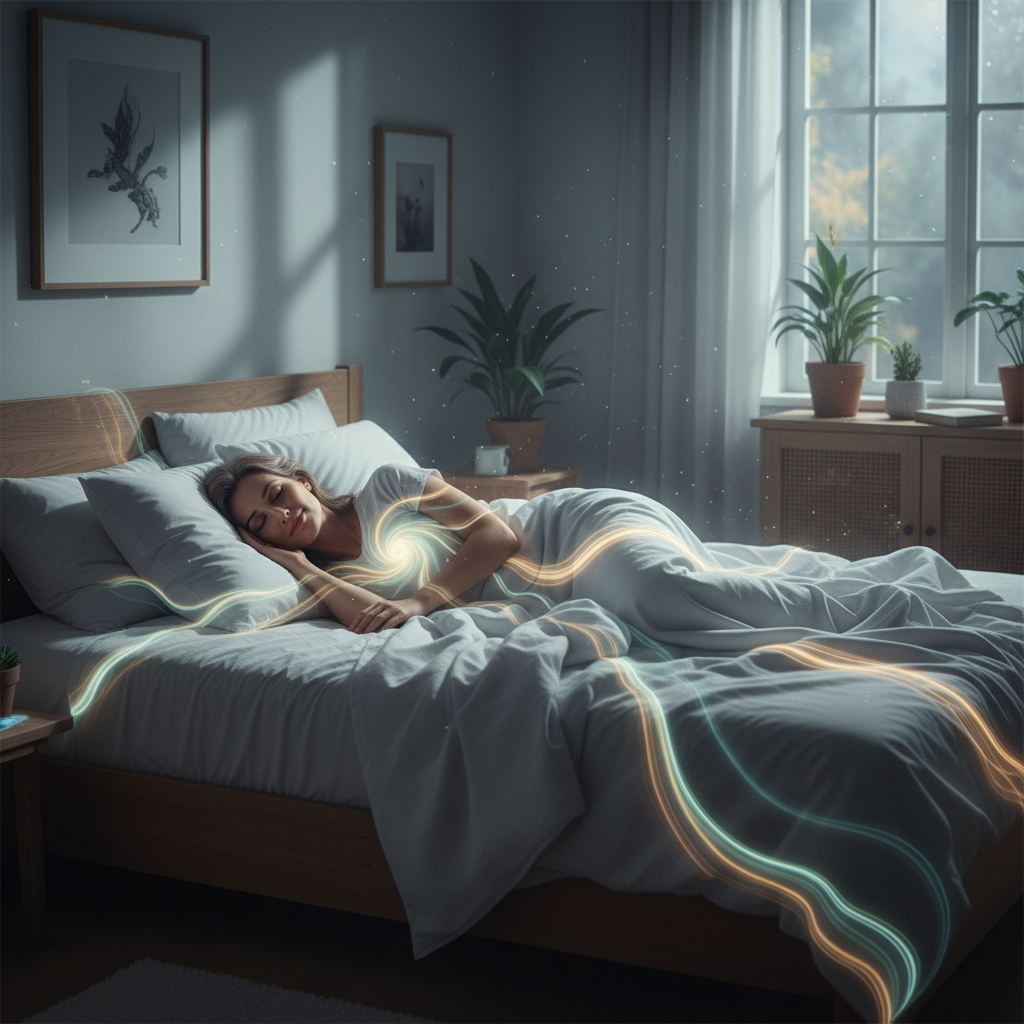
If you have ever bolted upright at 3 a.m., chest thumping like a trapped bird while a cold sweat soaks your sheets, you are not alone. Waking up with a racing heart and fatigue in perimenopause is one of the most unsettling experiences of the transition into menopause. It feels like a medical emergency, yet it is often the direct result of your hormones staging a midnight riot.
For many women, this "nocturnal panic" is followed by a day of crushing exhaustion—a cruel cycle where you are too wired at night to sleep and too tired during the day to function. Understanding the physiological bridge between your heart rate, your hormones, and your nervous system is the first step toward reclaiming your rest.
Why am I waking up with a racing heart at 3 a.m.?
The notorious 3 a.m. wake-up call is rarely accidental. During perimenopause, your body is navigating a profound shift in its internal clock and chemical signaling. The primary culprit behind nighttime heart palpitations is the fluctuating level of estrogen. Estrogen has a significant impact on the autonomic nervous system, which regulates your heart rate and rhythm.
When estrogen levels dip sharply—which often happens in the early morning hours—your body may trigger a "fight or flight" response. This release of adrenaline and norepinephrine can cause your heart rate to spike suddenly. This is often accompanied by a hot flash, even if the flash is "silent" and doesn't result in overt sweating. According to the Mayo Clinic, these vasomotor symptoms are the hallmark of the menopausal transition and are frequently linked to sleep disturbances.
Furthermore, this timing coincides with a natural lull in blood sugar. If you are dealing with perimenopause insulin resistance signs, your body might struggle to keep blood glucose stable through the night. When blood sugar drops too low, the adrenals pump out cortisol and adrenaline to stimulate glucose release, effectively "shocking" you awake with a pounding heart.
Is nocturnal panic a symptom of perimenopause or a heart issue?
It is entirely natural to fear for your heart health when you feel a racing pulse at rest. In perimenopause, heart palpitations are considered a common vasomotor symptom, but they must be distinguished from clinical arrhythmias.
Distinguishing perimenopausal palpitations from a cardiac event often comes down to duration and accompanying symptoms. Perimenopausal palpitations usually last from a few seconds to a few minutes and often subside as you practice deep breathing or cool down. However, because the risk of cardiovascular disease increases as estrogen declines, any new heart symptom should be evaluated. The American Heart Association notes that the decline in estrogen can lead to changes in the walls of the blood vessels, making women in this stage more vulnerable to heart-related issues.
If you are following a perimenopause symptoms checklist, you may notice that these episodes occur alongside cycles of anxiety or mood swings, suggesting a hormonal rather than structural cause. That said, if your racing heart is accompanied by chest pain, shortness of breath, or fainting, seek medical attention immediately.
How do cortisol spikes cause morning exhaustion and palpitations?
Cortisol is your "alertness" hormone, designed to peak in the morning to help you wake up. However, perimenopause often causes a "flat" or "inverted" cortisol rhythm. Instead of a steady rise at dawn, you may experience a sharp, premature spike in the middle of the night.
When cortisol levels rise too early, it disrupts the production of melatonin, the sleep hormone. This premature surge creates a state of "tired but wired." You are physically exhausted because your body hasn't completed its restorative sleep cycles, but you are mentally hyper-vigilant because your blood is surging with stress hormones.
| Hormone | Role in Sleep & Heart Rate | Impact of Perimenopause |
|---|---|---|
| Estrogen | Regulates body temp and arterial flexibility | Sharp drops trigger adrenaline and night sweats |
| Progesterone | Acts as a natural sedative (GABA-ergic) | Declining levels lead to anxiety and light sleep |
| Cortisol | Manages stress response and blood sugar | Spikes prematurely, causing mid-night wakefulness |
| Insulin | Regulates blood sugar stability | Resistance causes nocturnal hypoglycemia, triggering "panic" |
This chronic elevation of nighttime cortisol is a primary driver of the "fatigue" in the phrase "waking up with a racing heart and fatigue in perimenopause." You are effectively running a marathon in your sleep, leaving you depleted by sunrise.
Can electrolyte imbalances lead to a pounding heart and fatigue?
In the search for hormonal solutions, many women overlook the role of minerals. Perimenopause can change how your body retains fluid and minerals, particularly magnesium and potassium.
Magnesium is often called the "spark plug" of the heart. It helps the heart muscle relax after a contraction. When magnesium levels are low—often depleted by stress and high cortisol—your heart can become "irritable," leading to premature ventricular contractions (PVCs) or a racing sensation (tachycardia).
According to the National Institutes of Health (NIH), magnesium plays a vital role in over 300 enzymatic reactions, including those that regulate heart rhythm and nerve function. If you are also managing conditions like fibromyalgia perimenopause symptoms, you may find that electrolyte depletion worsens both your muscle pain and your heart palpitations.
Common reasons for electrolyte-driven palpitations include:
- Dehydration from night sweats.
- High caffeine intake to combat daytime fatigue.
- Increased excretion of minerals due to fluctuating aldosterone (a fluid-regulating hormone).
Does low progesterone cause nighttime heart racing?
While estrogen gets most of the attention, progesterone is the "calming" hormone of the female body. It works on the same receptors in the brain as anti-anxiety medications (GABA receptors).
In the early stages of perimenopause, progesterone typically drops long before estrogen does. This creates a state of "estrogen dominance," where the stimulatory effects of estrogen are left unchecked by the soothing effects of progesterone. Without adequate progesterone, the nervous system remains in a state of high arousal.
Low progesterone is a major contributor to sleep-onset insomnia and sleep-maintenance insomnia. When you don't have enough progesterone to "brake" your nervous system, every small noise or internal shift becomes an alarm. For many women, HRT for perimenopause beginners guide can offer insights into how bioidentical progesterone can help stabilize the heart rate and improve sleep quality.
How to calm your nervous system when you wake up feeling wired?
When you wake up with your heart pounding, your first goal is to signal to your brain that you are not in danger. This requires physical intervention to override the sympathetic nervous system.
- The 4-7-8 Breathing Technique: Inhale for 4 seconds, hold for 7, and exhale slowly for 8. The long exhale stimulates the vagus nerve, which acts as a natural "brake" for the heart.
- Cooling the Body: Your heart may be racing because your core temperature has spiked. Sip ice water or place a cold pack on your chest.
- Mammalian Dive Reflex: Splash cold water on your face. This triggers a biological response that naturally slows the heart rate.
- Legs Up the Wall: This yoga posture helps shift the body from "fight or flight" into "rest and digest" mode by altering blood flow and calming the central nervous system.
- Acknowledge the Hormone Shift: Simply telling yourself, "This is just an estrogen dip; I am safe," can reduce the secondary anxiety that makes the racing heart last longer.
If these episodes are frequent, it is also worth investigating other underlying issues. For example, some women find a Hashimoto's perimenopause overlap where thyroid flares contribute to nighttime tremors and tachycardia.
When should you monitor your heart rate for perimenopause symptoms?
While most perimenopausal palpitations are benign, tracking them can provide valuable data for your healthcare provider.
You should consider monitoring your heart rate if:
- The racing episodes happen daily or last longer than five minutes.
- You feel dizzy, lightheaded, or like you might pass out.
- The palpitations are accompanied by a "fluttering" or "skipping" sensation that occurs even when you aren't stressed.
- You have a family history of heart disease or high blood pressure.
Using a wearable device can help you identify patterns. Are the spikes related to your menstrual cycle? Do they happen after a high-sugar meal or a glass of wine? This data is crucial when discussing potential treatments. The North American Menopause Society (NAMS) emphasizes that individualized care is key, as every woman's hormonal profile and cardiac risk factors are unique.
Managing "waking up with a racing heart and fatigue in perimenopause" requires a multi-pronged approach: stabilizing blood sugar to prevent cortisol spikes, replenishing vital minerals like magnesium, and potentially addressing hormone deficiencies through HRT or herbal support. You are not "going crazy"—your body is simply navigating a complex recalibration. With the right tools, you can turn down the volume on the midnight alarms and find your way back to restorative sleep.
Summary of Action Steps
- Optimize Magnesium: Consult your doctor about a highly absorbable form like magnesium glycinate before bed.
- Balance Blood Sugar: Eat a small, protein-rich snack (like a few almonds) before sleep to prevent 3 a.m. glucose drops.
- Vagal Tone Exercises: Practice deep belly breathing daily to strengthen your nervous system's ability to "downshift."
- Track Cycles: Note if palpitations worsen during the week before your period (the luteal phase) when progesterone is lowest.
- Get a Thyroid Check: Ensure your thyroid isn't contributing to the "wired" feeling by requesting a full panel.
By addressing the root causes—hormonal fluctuations, stress response, and nutrient needs—you can reduce the frequency of these episodes and wake up feeling refreshed rather than rescued. 🛌✨
FAQ
Common questions
What causes heart palpitations at 3 a.m. during perimenopause?
Estrogen fluctuations affect the autonomic nervous system, while cortisol spikes and low blood sugar can trigger an adrenaline response that wakes you up with a pounding heart.
How can I tell if my racing heart is perimenopause or a heart condition?
In perimenopause, the heart rate usually returns to normal quickly and is often linked to hot flashes. Cardiac issues may involve persistent irregular rhythms, chest pain, or fainting.
Can a magnesium deficiency cause a racing heart at night?
Yes, magnesium deficiency is common in perimenopause and can lead to an 'irritable' heart muscle, resulting in palpitations, fluttering, and increased anxiety.
Does low progesterone contribute to nighttime heart racing?
Progesterone is a natural 'calmer.' When it drops during perimenopause, your nervous system loses its sedative support, making you more prone to nighttime anxiety and racing heart.
What is the fastest way to stop a racing heart in the middle of the night?
Use the 4-7-8 breathing technique, splash cold water on your face to trigger the dive reflex, or place a cold pack on your chest to stimulate the vagus nerve.
When should I see a doctor about perimenopause heart palpitations?
You should seek medical advice if palpitations are accompanied by chest pain, shortness of breath, fainting, or if they significantly last longer than a few minutes.
Want this in your inbox each Sunday?
New articles, the science you can actually use, and the occasional rant.
Keep reading

Perimenopause Symptoms Checklist: 38 Signs You're Not Imagining
A comprehensive, doctor-reviewed checklist of perimenopause symptoms — from the obvious hot flashes to the weird ones nobody warned you about.
9 min read

Hashimoto's and Perimenopause: Why Symptoms Overlap (and How to Tell Them Apart)
Fatigue, brain fog, weight gain, hair loss — Hashimoto's and perimenopause share most symptoms. Here's how to tell what's flaring, what's hormonal, and what to ask your doctor.
11 min read

Fibromyalgia and Perimenopause: When Two Storms Collide
Why fibromyalgia almost always flares during perimenopause, what changes in your nervous system, and the small daily shifts that actually help.
10 min read