
Water Weight at Ovulation? Perimenopause Fluid Shifts
Struggling with water retention and weight gain during perimenopause ovulation? Learn why estrogen spikes cause bloating and how to manage fluid shifts after 40.
Published:
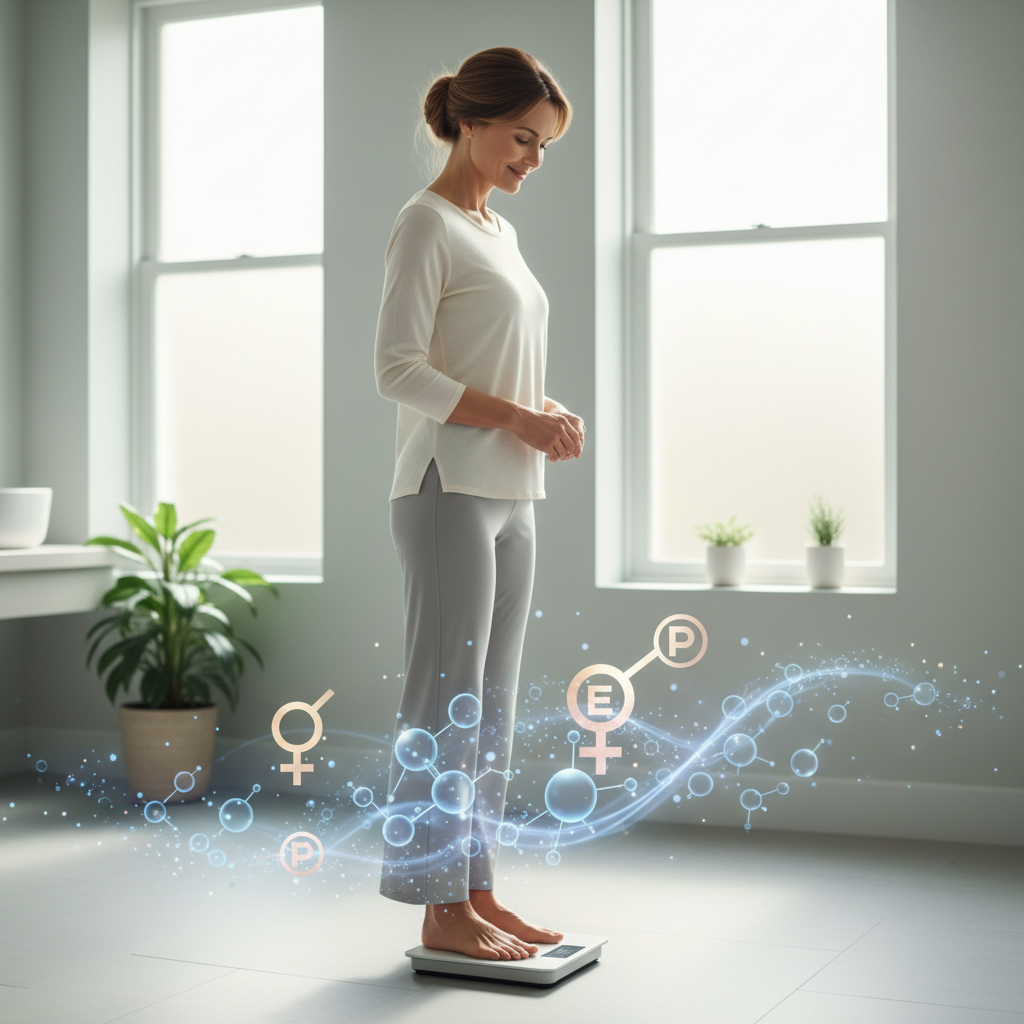
You wake up, reach for your favorite pair of jeans, and suddenly, the button feels like it’s miles away from the hole. You check the calendar. You aren't due for your period for another two weeks, yet your rings are tight, your ankles look slightly puffy, and the scale has jumped three pounds overnight. If you are in your 40s, this isn't just "bad luck"—it is likely a result of the hormonal volatility unique to the perimenopause transition.
Understanding water retention and weight gain during perimenopause ovulation requires a shift in how you view your cycle. In your 30s, your hormones likely followed a predictable rise and fall. In perimenopause, that rhythm becomes a chaotic symphony, leading to significant fluid shifts that can make you feel unrecognizable mid-month.
Why do I feel so bloated during ovulation in perimenopause?
During a "textbook" menstrual cycle, ovulation is triggered by a surge in luteinizing hormone (LH) and a peak in estrogen. However, as we enter perimenopause, the ovaries often work harder to release an egg, leading to what researchers call "hyper-estrogenism." When estrogen levels soar without the stabilizing influence of adequate progesterone, the body begins to retain sodium and water.
Estrogen is a natural mineralocorticoid stimulator. This means it encourages your kidneys to hold onto sodium rather than flushing it out. According to the Mayo Clinic, hormonal fluctuations are a primary driver of edema (fluid retention). When you are in the perimenopause window, these spikes are often higher and more erratic than they were in your younger years.
Furthermore, many women in this stage are also navigating a perimenopause symptoms checklist, which often includes digestive slowing. This "gastric stasis" combined with fluid retention creates the perfect storm for that rock-hard, uncomfortable mid-cycle bloat.
Can estrogen spikes cause sudden water weight gain after 40?
Yes, and the mechanism is purely physiological. Estrogen influences the renin-angiotensin-aldosterone system (RAAS), the hormone system that regulates blood pressure and fluid balance. When estrogen spikes—which it frequently does during the perimenopause ovulatory phase—it stimulates the liver to produce angiotensinogen. This eventually leads to the retention of both sodium and water in the extracellular space.
It is not uncommon for women to see a 2- to 5-pound increase on the scale within 24 to 48 hours. This isn't fat; it is interstitial fluid. Because perimenopause often involves "estrogen dominance" (where estrogen is high relative to declining progesterone), this fluid shift becomes more pronounced.
If you are also dealing with other inflammatory conditions, such as the Hashimoto's perimenopause overlap, your body may be even more sensitive to these fluid shifts, as thyroid dysfunction further complicates how your body processes sodium and waste.
Is it normal for my clothes to fit tighter mid-cycle?
It is absolutely normal, though incredibly frustrating. This phenomenon is often referred to as "cyclic edema." While it usually peaks just before menstruation, perimenopausal women often experience a secondary, distinct peak during ovulation.
This happens because the high estrogen levels increase capillary permeability. Essentially, your small blood vessels "leak" a bit more fluid into the surrounding tissues. This fluid most commonly settles in the:
- Abdomen: Leading to the "menopause belly" look that appears overnight.
- Breasts: Causing tenderness and an increase in cup size.
- Extremities: Resulting in tight rings and "sock marks" on your ankles.
If you find that your joint pain also increases when your clothes get tighter, you might be seeing an intersection with fibromyalgia perimenopause symptoms, as fluid retention can increase pressure on sensitive nerves and tissues.
How to tell the difference between hormonal edema and fat gain?
One of the greatest sources of anxiety in perimenopause is the fear that every scale fluctuation is permanent fat gain. However, there are distinct markers that help differentiate between hormonal water weight and adipose tissue.
| Characteristic | Hormonal Water Retention | Actual Fat Gain |
|---|---|---|
| Speed of Change | Occurs overnight or within 2 days | Occurs slowly over weeks/months |
| Pitting | Skin may "indent" when pressed (edema) | Skin bounces back immediately |
| Localization | Fingers, ankles, breasts, lower belly | Distributed based on genetics |
| Cycle Correlation | Disappears after ovulation or period starts | Remains constant regardless of cycle |
| Measurement | Can fluctuate 3-5 lbs in 24 hours | Fluctuates by ounces, not pounds |
The Endocrine Society notes that while fat redistribution (moving to the abdomen) is common in perimenopause, sudden spikes are almost always fluid. If you see the scale jump significantly in a single day, it is physically impossible for that to be fat, which requires a massive caloric surplus to generate.
Why is perimenopause water retention worse than it was in my 30s?
As we age, our bodies become less resilient to hormonal swings. In your 30s, your progesterone levels were likely robust enough to act as a natural diuretic. Progesterone antagonizes the aldosterone receptor, helping your body shed excess salt and water.
In perimenopause, progesterone is often the first hormone to decline, frequently dropping years before estrogen does. Without that progestogenic "brake," estrogen’s salt-retaining effects go unchecked. Furthermore, aging kidneys and changes in vascular integrity make it harder for the body to move fluid back into the bloodstream once it has leaked into the tissues.
Another factor is the emergence of perimenopause insulin resistance signs. High levels of insulin signal the kidneys to retain even more sodium. If your blood sugar is fluctuating alongside your estrogen, the water retention will be significantly more severe than it was a decade prior.
Do progesterone drops contribute to mid-cycle fluid retention?
Absolutely. Progesterone is your body’s natural anti-bloating agent. Under normal circumstances, progesterone rises slightly after ovulation. However, in perimenopause, many cycles are "anovulatory" (no egg is released) or have a "short luteal phase," meaning progesterone never reaches the levels needed to counteract estrogen.
When progesterone is low, the following occurs:
- Increased Aldosterone: Sodium retention increases.
- Increased Vasopressin: This antidiuretic hormone prevents you from urinating out excess fluid.
- Slowed Digestion: Progesterone helps with muscle relaxation; without the right balance, the gut can become sluggish, contributing to gas and "false" weight gain.
For many women, starting a conversation about HRT for perimenopause beginners is the first step in addressing this imbalance. Bioidentical progesterone, in particular, can be very effective at reducing the cyclic puffiness that defines the mid-cycle transition.
What are the best ways to reduce perimenopause ovulation bloat?
While you cannot stop your hormones from fluctuating, you can mitigate how your body responds to those shifts. Reducing the "depth" of the fluid retention involves a multi-pronged approach focusing on drainage and mineral balance.
- Optimize Potassium-to-Sodium Ratio: The American Heart Association highlights that potassium helps the body excrete sodium. During ovulation, increase your intake of avocado, spinach, and coconut water.
- Increase Hydration: It sounds counterintuitive, but if you are dehydrated, your body will hold onto water even more tightly as a survival mechanism. Drink filtered water with a pinch of sea salt to ensure cellular uptake.
- Move Your Lymph: The lymphatic system doesn't have a pump; it relies on muscle movement. Rebounding, dry brushing, or a brisk 20-minute walk can help move interstitial fluid back into the circulatory system to be flushed out.
- Magnesium Bisglycinate: Magnesium is a natural calcium channel blocker and can help regulate fluid balance. Research published via the National Institutes of Health (NIH) suggests magnesium can help reduce premenstrual and ovulatory symptoms, including bloating.
- Dandelion Root Tea: A gentle, natural diuretic that helps the liver process excess estrogen metabolites without depleting potassium.
- Limit Inflammatory Triggers: During your ovulatory window, your body is already in a high-alert state. Reducing alcohol, processed flours, and excess sugar can prevent the insulin spikes that worsen sodium retention.
Understanding the Emotional Toll
It is important to acknowledge that water weight isn't just a physical issue; it’s a psychological one. Feeling "heavy" and "inflated" can trigger body dysmorphia and anxiety. Remind yourself that this is a temporary biological state. Your cells are simply holding onto a little extra "ocean" because of a temporary hormonal surge.
If your water retention is accompanied by sudden shortness of breath, pitting edema that doesn't go away, or high blood pressure, you should consult a healthcare provider immediately, as these can be signs of cardiovascular or renal issues rather than simple hormonal shifts.
When to Consider Medical Intervention
For some, lifestyle changes aren't enough. If the bloating is causing significant pain or interfering with your quality of life, it may be time to investigate your hormone levels more closely. Perimenopause is a marathon, not a sprint, and you don't have to white-knuckle your way through two weeks of bloating every month.
Whether it’s through targeted supplementation, bioidentical hormone replacement, or specific dietary shifts tailored to insulin sensitivity, there are ways to regain control over your body’s fluid dynamics. You are not "gaining weight" in the way you fear; you are navigating a complex biological transition that requires new tools and a lot of self-compassion.
By tracking your cycle—even if it's irregular—you can begin to predict these shifts. When you know the "bloat" is coming, you can proactively increase your water intake, reach for the magnesium, and wear your most comfortable, elastic-waist clothing. Knowledge is the best antidote to the frustration of perimenopausal fluid shifts. You aren't losing progress; your body is just speaking a different language right now.
According to the North American Menopause Society (NAMS), understanding these physiological changes is the first step toward managing them effectively. Don't let a temporary shift on the scale dictate your worth or your health journey. Focus on how you feel, how you move, and how you nourish yourself during these turbulent years.
Disclaimer: This information is for educational purposes and does not substitute for professional medical advice. Always consult with a healthcare provider regarding new symptoms or changes in your health.
FAQ
Common questions
Can ovulation cause sudden weight gain in perimenopause?
Yes, sudden weight gain of 2-5 pounds during ovulation is common in perimenopause due to estrogen surges that cause the body to retain sodium and water.
How do I know if it’s water weight or fat?
Unlike fat gain, hormonal water weight appears quickly (often overnight), causes 'sock marks' or tight rings, and typically disappears once your cycle progresses.
Why is bloating worse in my 40s than my 30s?
Estrogen dominance and a decline in progesterone (a natural diuretic) are the primary drivers of increased fluid retention during the perimenopause transition.
Does low progesterone cause water retention?
Progesterone acts as a natural diuretic. When it drops mid-cycle or stays low during perimenopause, the body loses its ability to flush out excess sodium effectively.
What are the best ways to reduce perimenopause water weight?
Increasing potassium intake, staying hydrated, moving your lymph through exercise, and taking magnesium can help reduce the severity of ovulatory bloat.
How long does perimenopause ovulation bloat last?
Hormonal water retention usually lasts 3 to 7 days, typically peaking around the LH surge and resolving once estrogen levels dip or progesterone rises.
Want this in your inbox each Sunday?
New articles, the science you can actually use, and the occasional rant.
Keep reading

Perimenopause Symptoms Checklist: 38 Signs You're Not Imagining
A comprehensive, doctor-reviewed checklist of perimenopause symptoms — from the obvious hot flashes to the weird ones nobody warned you about.
9 min read

Hashimoto's and Perimenopause: Why Symptoms Overlap (and How to Tell Them Apart)
Fatigue, brain fog, weight gain, hair loss — Hashimoto's and perimenopause share most symptoms. Here's how to tell what's flaring, what's hormonal, and what to ask your doctor.
11 min read

Fibromyalgia and Perimenopause: When Two Storms Collide
Why fibromyalgia almost always flares during perimenopause, what changes in your nervous system, and the small daily shifts that actually help.
10 min read