
Why is My Period Getting Lighter in Perimenopause?
Wondering why your period is getting lighter in your 40s? Explore the hormonal shifts of perimenopause, from low estrogen to anovulation, and when to see a doctor.
Published:
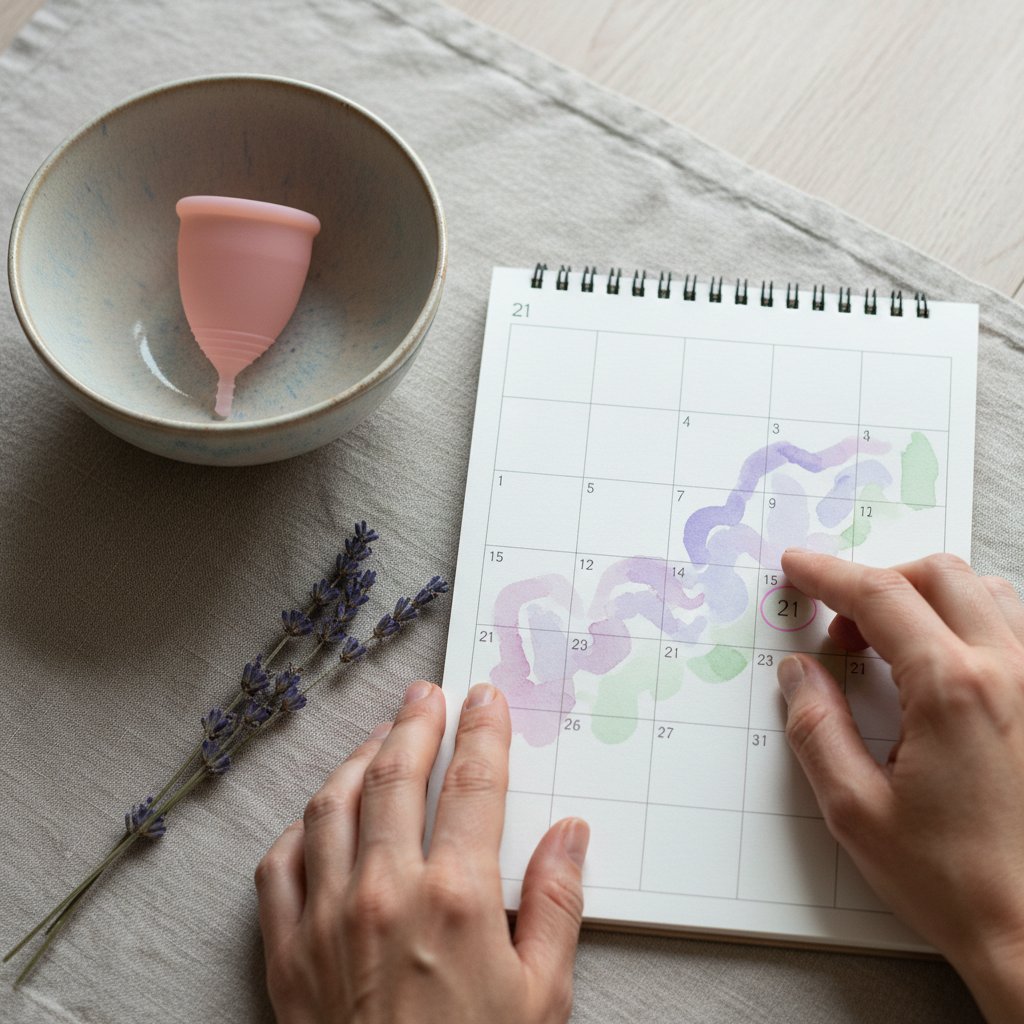
For decades, you have likely known exactly what to expect when your cycle arrives. Perhaps it was a heavy five-day event, or maybe a predictable moderate flow. But lately, things have shifted. You might find yourself reaching for a liner instead of a super-absorbent tampon, or noticing that your "period" now lasts barely forty-eight hours.
If you are asking, "why is my period getting lighter in perimenopause?" you are not alone. While heavy bleeding (menorrhagia) often gets the most attention during the menopausal transition, a significant number of women experience the opposite: hypomenorrhea, or scanty flow. This shift is a hallmark of the hormonal recalibration occurring in your 40s and early 50s.
Is it normal for periods to get lighter in your 40s?
Yes, it is entirely normal and, for many, a common early sign of the menopausal transition. According to the North American Menopause Society (NAMS), perimenopause is characterized by fluctuations in the length of the menstrual cycle and changes in the amount of bleeding.
While we often associate perimenopause with "flooding" or heavy periods, the decline in systemic hormone production can also lead to a thinner uterine lining. If you have already explored our perimenopause symptoms checklist, you know that irregularity is the only true "constant" during this phase. A lighter flow is simply one version of that irregularity.
For many women, the transition begins with cycles getting closer together (e.g., 21 days instead of 28) and the flow becoming lighter or shorter. This usually reflects a shift in how your ovaries respond to signals from your brain, specifically the follicle-stimulating hormone (FSH).
How do light periods fit into the perimenopause timeline?
Perimenopause is generally divided into "early" and "late" stages. Understanding where you fall can help you manage your expectations regarding your flow.
| Perimenopause Stage | Typical Cycle Length | Bleeding Characteristics |
|---|---|---|
| Early Transition | Cycles vary by 7+ days | May be heavier OR lighter; cycles often shorten initially. |
| Late Transition | 60+ days between periods | Flow typically becomes much lighter and more sporadic. |
| Postmenopause | No periods for 12 months | Bleeding should be non-existent. |
In the early stages, you might still ovulate most months, but your progesterone levels may begin to dip. Progestone is the hormone responsible for "stabilizing" the uterine lining. Without enough of it, the lining may not build up as robustly, or it may shed prematurely, leading to a lighter, shorter period.
As you move into the late transition, you experience more "anovulatory" cycles—cycles where no egg is released. When you don't ovulate, the hormonal "trigger" to build a thick uterine lining is missing, which often results in very light spotting rather than a true period. If you are experiencing other systemic issues like joint pain or fatigue, it's worth checking if these shifts overlap with other conditions, such as the fibromyalgia-perimenopause symptoms connection, as hormonal fluctuations can exacerbate full-body sensitivity.
What causes a sudden decrease in menstrual flow after 40?
A sudden decrease in flow is rarely caused by a single factor; rather, it is a symphony of changing biological signals. The primary drivers include:
- Anovulation: As mentioned, when the ovaries do not release an egg, the corpus luteum does not form, and progesterone is not produced in sufficient quantities. Progesterone is what typically causes the uterine lining (endometrium) to thicken in preparation for pregnancy. A thin lining equals a light period.
- Decreased Estrogen Sensitivity: Even if your estrogen levels are still "normal" on a blood test, your uterine receptors may become less responsive, leading to less proliferation of the endometrial tissue.
- Changes in Vascularity: The blood vessels that supply the lining of the uterus may change their behavior, leading to less shedding during menstruation.
- Thyroid Interference: It is critical to note that perimenopause does not happen in a vacuum. Thyroid disorders, particularly hypothyroidism, are common in women over 40. There is a significant Hashimoto’s and perimenopause overlap that can affect your cycle. An underactive thyroid can sometimes cause periods to become lighter or disappear altogether.
- Metabolic Shifts: Emerging research suggests that perimenopause insulin resistance signs can also impact reproductive hormones. High insulin levels can disrupt the delicate balance of the HPO (Hypothalamic-Pituitary-Ovarian) axis, leading to cycle irregularities.
Can low estrogen cause a lighter period during perimenopause?
The relationship between estrogen and your period is a "Goldilocks" scenario—you need just the right amount to build a healthy lining.
Estrogen's primary job in the first half of your cycle (the follicular phase) is to stimulate the growth of the endometrium. According to the Mayo Clinic, as estrogen levels begin to trend downward or fluctuate wildly during perimenopause, the uterine lining may not grow to its usual thickness.
When the time comes for the lining to shed, there is simply less tissue and blood to expel. This results in what you might describe as "scanty" flow or a period that only lasts a day or two. While low estrogen is a primary culprit, it is the ratio of estrogen to progesterone that usually dictates the flow volume. If you are considering medical intervention for these fluctuations, you might want to read our HRT for perimenopause beginners guide to see how stabilizing these levels can regulate your cycle.
Is a light period in perimenopause still a real period?
This is a common question. Women often wonder if "spotting" counts as a period. Medically speaking, a period is the shedding of the uterine lining in response to a drop in hormones (estrogen and progesterone).
If you have a light flow that lasts at least two days and occurs roughly at the time you expected your cycle, it is likely a menstrual period. However, during perimenopause, you may also experience "breakthrough bleeding." This is spotting that happens because estrogen levels have dropped low enough that the lining can no longer maintain itself, even though the "official" cycle hasn't ended.
The Cleveland Clinic notes that as you approach the end of the transition, these "periods" may become so light that you only notice them when wiping. While they may not feel like the periods of your 20s, they are still a reflection of your body's attempt to cycle.
When should you be concerned about light or scanty periods?
While a light period is usually a natural part of the aging process, there are times when it warrants a conversation with your healthcare provider. You should seek a consultation if:
- You experience sudden, complete cessation: If your periods stop abruptly before age 45, it may indicate Primary Ovarian Insufficiency (POI) or other underlying health issues.
- Post-coital bleeding: Bleeding after intercourse is not a "light period" and should always be evaluated by a doctor to rule out cervical issues.
- Severe Pain: If your flow is light but accompanied by new or worsening pelvic pain.
- Extreme Fatigue: If your light periods are paired with crushing exhaustion, it could be a sign of the Hashimoto’s perimenopause overlap mentioned earlier.
- Pregnancy Risk: Remember, even with light or irregular periods, you can still ovulate and become pregnant. If your period is unexpectedly light and you are sexually active, take a pregnancy test.
According to the American College of Obstetricians and Gynecologists (ACOG), any "abnormal" bleeding—which includes bleeding that is unusually light or frequent—should be tracked so you can provide your doctor with accurate data.
How to track your cycle when flow becomes minimal?
When your period becomes a "blink and you'll miss it" event, traditional calendar methods might feel frustrating. However, tracking is more important now than ever to help your doctor determine where you are in the transition.
- Use a digital app: Apps like Clue or Flow allow you to log "spotting" vs. "light flow."
- Monitor "Day 1": Even if it is just spotting, mark the first day you see blood. This helps establish if your cycles are shortening or lengthening.
- Track associated symptoms: Note down days you experience hot flashes, night sweats, or mood swings. Often, these symptoms will peak when your flow is at its lightest, indicating a low-estrogen window.
- Basal Body Temperature (BBT): If you really want to know if a light period was a "real" period, tracking BBT can help you identify if ovulation occurred. A rise in temperature usually follows ovulation; if you don't see a rise but still have a light bleed, it was likely an anovulatory cycle.
- Cervical Mucus: Pay attention to changes in discharge. In perimenopause, you may notice less "egg white" cervical mucus, which is another sign of declining estrogen levels.
Tracking these nuances is especially helpful if you are considering HRT for perimenopause, as your clinician will want to see the pattern of your natural fluctuations before prescribing hormones.
Summary
Experiencing a lighter period in your 40s is often the first sign that your body is moving toward a new phase of life. While the cultural narrative often focuses on the "misery" of heavy bleeding or hot flashes, the "quieting" of the menstrual cycle is a valid and common experience. By understanding the roles of estrogen, progesterone, and metabolic health, you can navigate these changes with confidence rather than confusion.
If your light periods are accompanied by other "invisible" symptoms, such as the body aches associated with the fibromyalgia-perimenopause connection, or signs of insulin resistance, take a holistic approach. Your cycle is a vital sign—even when it's just a whisper.
References
- North American Menopause Society. (2023). Menopause 101. https://www.menopause.org/for-women/menopauseflashes/menopause-symptoms-and-treatments/menopause-101-a-primer-for-the-perimenopausal
- Mayo Clinic. (2023). Perimenopause Symptoms and Causes. https://www.mayoclinic.org/diseases-conditions/perimenopause/symptoms-causes/syc-20354666
- Cleveland Clinic. (2022). Perimenopause. https://my.clevelandclinic.org/health/diseases/21608-perimenopause
- American College of Obstetricians and Gynecologists. (2023). Perimenopause FAQ. https://www.acog.org/womens-health/faqs/perimenopause
- National Institutes of Health (NIH). (2021). Hormonal Changes During the Menopausal Transition. https://www.ncbi.nlm.nih.gov/pmc/articles/PMC4834516/
FAQ
Common questions
Is it normal for my period to get lighter during perimenopause?
Yes, a lighter or shorter flow is a very common early sign of perimenopause as hormone levels begin to fluctuate and ovulation becomes less regular.
Can perimenopause cause light periods instead of heavy ones?
While heavy periods are common, many women experience lighter periods (hypomenorrhea) due to lower estrogen levels failing to build up a thick uterine lining.
What causes a sudden decrease in menstrual flow in your 40s?
The most common cause is anovulation (not releasing an egg), which leads to lower progesterone and a thinner uterine lining that results in less bleeding.
Is spotting for two days considered a period in perimenopause?
Yes. If you have a light flow that lasts at least two days and occurs near your expected cycle, it is likely a period, even if it is just spotting.
Can I still get pregnant if my periods are getting lighter?
Absolutely. You can still ovulate during perimenopause even if your periods are very light or irregular, so contraception is still necessary if you wish to avoid pregnancy.
When should I be worried about light periods?
You should see a doctor if your periods stop completely before age 45, if you have bleeding after sex, or if you experience severe pelvic pain.
Want this in your inbox each Sunday?
New articles, the science you can actually use, and the occasional rant.
Keep reading

Perimenopause Symptoms Checklist: 38 Signs You're Not Imagining
A comprehensive, doctor-reviewed checklist of perimenopause symptoms — from the obvious hot flashes to the weird ones nobody warned you about.
9 min read

Hashimoto's and Perimenopause: Why Symptoms Overlap (and How to Tell Them Apart)
Fatigue, brain fog, weight gain, hair loss — Hashimoto's and perimenopause share most symptoms. Here's how to tell what's flaring, what's hormonal, and what to ask your doctor.
11 min read

Fibromyalgia and Perimenopause: When Two Storms Collide
Why fibromyalgia almost always flares during perimenopause, what changes in your nervous system, and the small daily shifts that actually help.
10 min read