
Estrogen Patch, Gel, or Pill? Best HRT Delivery for Weight Loss
Discover the best HRT delivery method for weight loss and energy. Compare estrogen patches, gels, and pills to optimize your metabolism and beat brain fog.
Published:
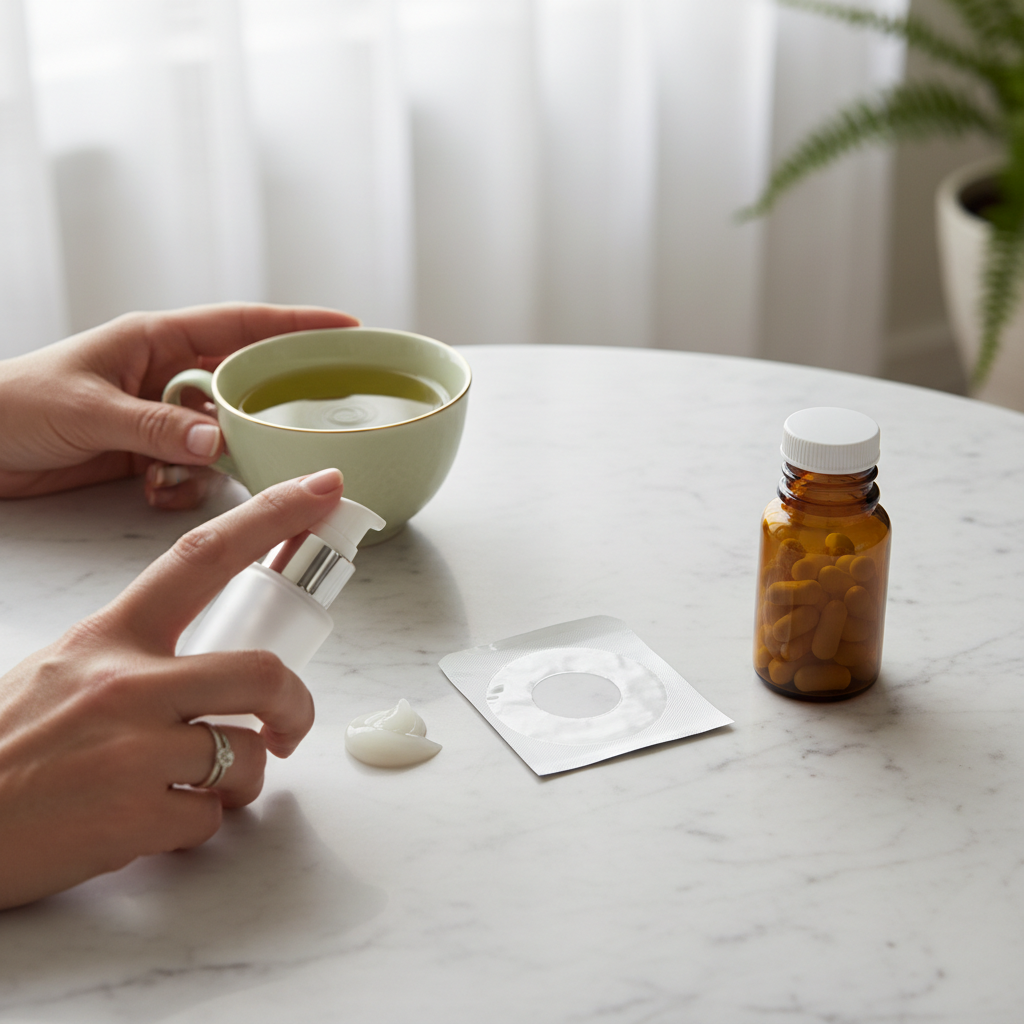
When you first decide to address the hormonal shifts of midlife, you might think the only decision is whether or not to start Hormone Replacement Therapy (HRT). However, the way those hormones enter your body is just as critical as the dose itself. If your primary goals are shedding the stubborn "menopause middle" and reclaiming the vitality of your thirties, the debate between the estrogen patch, gel, or pill isn't just academic—it's physiological.
Choosing the best hrt delivery method for weight loss and energy requires a deep dive into how your body processes synthetic vs. bioidentical hormones and how your liver reacts to different administration routes. Whether you are navigating the perimenopause symptoms checklist or are well into post-menopause, the delivery method can be the difference between feeling sluggish and feeling unstoppable.
Does the way you take HRT affect your weight loss results?
The short answer is yes, but not necessarily because the hormones themselves "burn fat." Instead, the delivery method influences your metabolic environment. When you take estrogen orally (the pill), it must pass through your digestive system and your liver. This process, known as "first-pass metabolism," can increase levels of Sex Hormone-Binding Globulin (SHBG).
SHBG is a protein that binds to testosterone. When SHBG levels rise, your "free" testosterone—the kind responsible for muscle protein synthesis and metabolic rate—drops. According to the Endocrine Society, maintaining lean muscle mass is the cornerstone of metabolic health during menopause. By choosing a delivery method that bypasses the liver (like a patch or gel), you keep SHBG lower, allowing your natural testosterone to support your weight loss efforts.
Furthermore, oral estrogen has been linked to a slight increase in triglycerides and a higher risk of inflammatory markers like C-reactive protein. For women already struggling with perimenopause insulin resistance signs, adding systemic inflammation via oral HRT can make weight loss feel like an uphill battle. Transdermal methods (patches, gels, sprays) provide a steady stream of hormones without the metabolic "tax" imposed by the liver.
Estrogen patches vs. gels: which is better for metabolic health?
If we've established that transdermal (through the skin) is generally superior for metabolism, you might wonder if you should choose a patch or a gel. Both are excellent options, but they offer different benefits depending on your lifestyle.
| Feature | Estrogen Patch | Estrogen Gel |
|---|---|---|
| Dosing Consistency | Provides a steady, 24/7 release. | Peaks shortly after application, then tapers. |
| Application Frequency | Once or twice weekly. | Daily. |
| Absorption Issues | May be affected by skin type/sweat. | Can be titrated (adjusted) in small amounts. |
| Metabolic Impact | Neutral to positive; no liver spike. | Neutral to positive; no liver spike. |
| Convenience | "Set it and forget it." | Requires drying time (3-5 minutes). |
The patch is often considered the "gold standard" for steady-state hormone levels. Because it provides a constant flow of estradiol, it avoids the "peaks and valleys" that can trigger hunger cues or energy crashes. However, some women prefer the gel because it allows for micro-adjustments. If you find your energy dipping in the late afternoon, a doctor might adjust your gel dose more easily than a fixed-dose patch. For those also managing conditions like Hashimotos and perimenopause, stability is key to preventing symptom flares.
Why oral progesterone might be better for sleep than creams?
While estrogen is often better delivered through the skin, progesterone tells a different story—especially if energy and weight loss are your goals. Sleep deprivation is one of the primary drivers of weight gain in menopause; it spikes cortisol and increases cravings for high-carb foods.
Oral micronized progesterone (the bioidentical form, often branded as Prometrium) is metabolized by the liver into "neurosteroids" like allopregnanolone. These substances have a powerful sedative effect on the GABA receptors in the brain, effectively acting as a natural, non-addictive sleep aid. According to research cited by the Mayo Clinic, improved sleep quality via progesterone can significantly enhance daytime energy levels and metabolic function.
Progesterone creams, conversely, often fail to reach the blood levels necessary to protect the uterine lining or provide that deep, restorative sleep. If your "weight loss" struggle is actually a "sleep struggle," oral progesterone paired with a transdermal estrogen patch is often the winning combination.
How transdermal delivery helps avoid liver and gallbladder issues
When estrogen is swallowed, the liver produces higher levels of clotting factors and increases the saturation of cholesterol in bile. This is why oral HRT is associated with a higher risk of blood clots (venous thromboembolism) and gallbladder disease.
For a woman in her 40s or 50s, a gallbladder issue or a clot is a major setback to her fitness and energy goals. The North American Menopause Society (NAMS) notes that transdermal estrogen does not carry the same risk of blood clots as oral estrogen. By bypassing the liver's "first-pass," you maintain a cleaner metabolic profile, which is essential for long-term health and the ability to stay active.
Can the right delivery method fix perimenopause brain fog faster?
Brain fog is frequently cited as the most debilitating symptom of the transition. Estrogen plays a vital role in cerebral glucose metabolism—essentially, it helps your brain use fuel. When estrogen levels fluctuate wildly (common with the pill or during early perimenopause), the brain experiences "power outages."
A steady delivery method, like the patch, provides the brain with a consistent supply of estradiol. This stability is crucial for cognitive clarity. Many women find that their focus returns much faster on a patch or gel compared to an oral dose that spikes and then drops over a 24-hour cycle. If you are already dealing with the cognitive load of fibromyalgia and perimenopause, reducing these fluctuations is a priority.
Why 'first-pass metabolism' matters for your energy levels on HRT
The term "first-pass metabolism" refers to the process where the concentration of a drug is greatly reduced before it reaches the systemic circulation. When you swallow an estrogen pill, your liver gets the first "look" at it. The liver breaks down a significant portion of the estradiol into estrone—a weaker, more inflammatory form of estrogen.
High levels of estrone relative to estradiol can lead to:
- Increased fat storage in the abdominal area.
- Higher levels of fatigue.
- Increased SHBG (which lowers libido and muscle-building potential).
By using a patch or gel, the hormone enters the bloodstream directly through the skin, maintaining the estradiol-to-estrone ratio in a more youthful, "pro-energy" balance. This is why many women report feeling an immediate lift in their exercise capacity when switching from pills to transdermal options. For more on the basics of starting this journey, see our HRT for perimenopause beginners guide.
How to talk to your doctor about switching your HRT format
If you are currently on an oral tablet and feel like your weight is plateauing or your energy is lagging, it may be time to request a change. Doctors often prescribe pills first because they are inexpensive and familiar, but your physiological needs should take precedence.
When you speak to your provider, use these talking points:
- Focus on the "First-Pass" Effect: Mention that you are concerned about the impact of oral estrogen on your SHBG levels and gallbladder health.
- Discuss Blood Clot Risk: Point out that transdermal options have a lower risk profile for VTE (blood clots), as supported by the British Menopause Society.
- Highlight Sleep Quality: If you aren't on oral micronized progesterone, ask about switching from a synthetic progestin to bioidentical progesterone to help with sleep-related weight management.
- Be Specific About Fat Distribution: Explain that despite diet and exercise, you are seeing an increase in visceral fat, which may be linked to the metabolic effects of your current delivery method.
To prepare for your appointment, follow these steps:
- Track your symptoms for two weeks using a log.
- Measure your waist-to-hip ratio (a better indicator of hormonal weight than the scale).
- Bring a printout of the latest guidelines from the North American Menopause Society.
- Request a trial period (usually 3 months) to see how your body responds to the patch or gel.
The journey to radiance isn't just about adding back what was lost; it's about doing it in a way that honors your body's complex internal chemistry. By opting for delivery methods that protect your liver, stabilize your blood sugar, and enhance your sleep, you aren't just treating symptoms—you're optimizing your metabolic future.
Whether you choose a patch for its convenience or a gel for its flexibility, the goal remains the same: steady hormones, steady energy, and a body that reflects the vibrant woman you are. Always consult with a healthcare professional to determine the best clinical path for your specific medical history. Magnusson et al. in the Journal of Clinical Endocrinology & Metabolism have long suggested that transdermal routes provide the most physiological mimicry of natural cycles, making it a powerful tool in your weight loss and wellness arsenal.
Remember, your HRT is not a "one size fits all" prescription. It is a personalized tool meant to evolve with you. If you aren't feeling the results you deserve, the answer might not be less hormone, but a better delivery system. Stay informed, stay empowered, and keep shining.
FAQ
Common questions
Is the estrogen patch better than the pill for weight loss?
Transdermal estrogen (patches/gels) is generally better for weight loss because it doesn't increase SHBG, which allows your body to use its natural testosterone for muscle building and metabolism.
Which delivery method is best for improving energy?
Oral micronized progesterone is often preferred for energy because it improves sleep quality, which is a key driver of metabolic health and daytime vitality.
What is first-pass metabolism in HRT?
Oral HRT passes through the liver (first-pass metabolism), which can increase inflammation and blood clot risk. Transdermal HRT enters the bloodstream directly through the skin, bypassing the liver.
Can the delivery method affect brain fog?
Yes, patches and gels provide more stable hormone levels compared to the daily peaks and crashes of oral pills, which helps many women clear brain fog more effectively.
Are there safety risks with oral HRT that aren't present with patches?
Oral estrogen can increase the risk of gallstones and blood clots. Transdermal methods (patches, gels) carry a much lower risk for these specific complications.
How long does it take to see weight loss results after switching HRT methods?
It typically takes 8 to 12 weeks to see significant metabolic changes after switching HRT methods, as your body needs time to stabilize its hormone levels.
Want this in your inbox each Sunday?
New articles, the science you can actually use, and the occasional rant.
Keep reading

Perimenopause Symptoms Checklist: 38 Signs You're Not Imagining
A comprehensive, doctor-reviewed checklist of perimenopause symptoms — from the obvious hot flashes to the weird ones nobody warned you about.
9 min read

Hashimoto's and Perimenopause: Why Symptoms Overlap (and How to Tell Them Apart)
Fatigue, brain fog, weight gain, hair loss — Hashimoto's and perimenopause share most symptoms. Here's how to tell what's flaring, what's hormonal, and what to ask your doctor.
11 min read

Fibromyalgia and Perimenopause: When Two Storms Collide
Why fibromyalgia almost always flares during perimenopause, what changes in your nervous system, and the small daily shifts that actually help.
10 min read