
Cold Plunges for Perimenopause: Hype or Hormone Help?
Explore the benefits of cold plunges for perimenopause inflammation and hot flashes. Learn how cold water therapy impacts cortisol, metabolism, and brown fat.
Published:
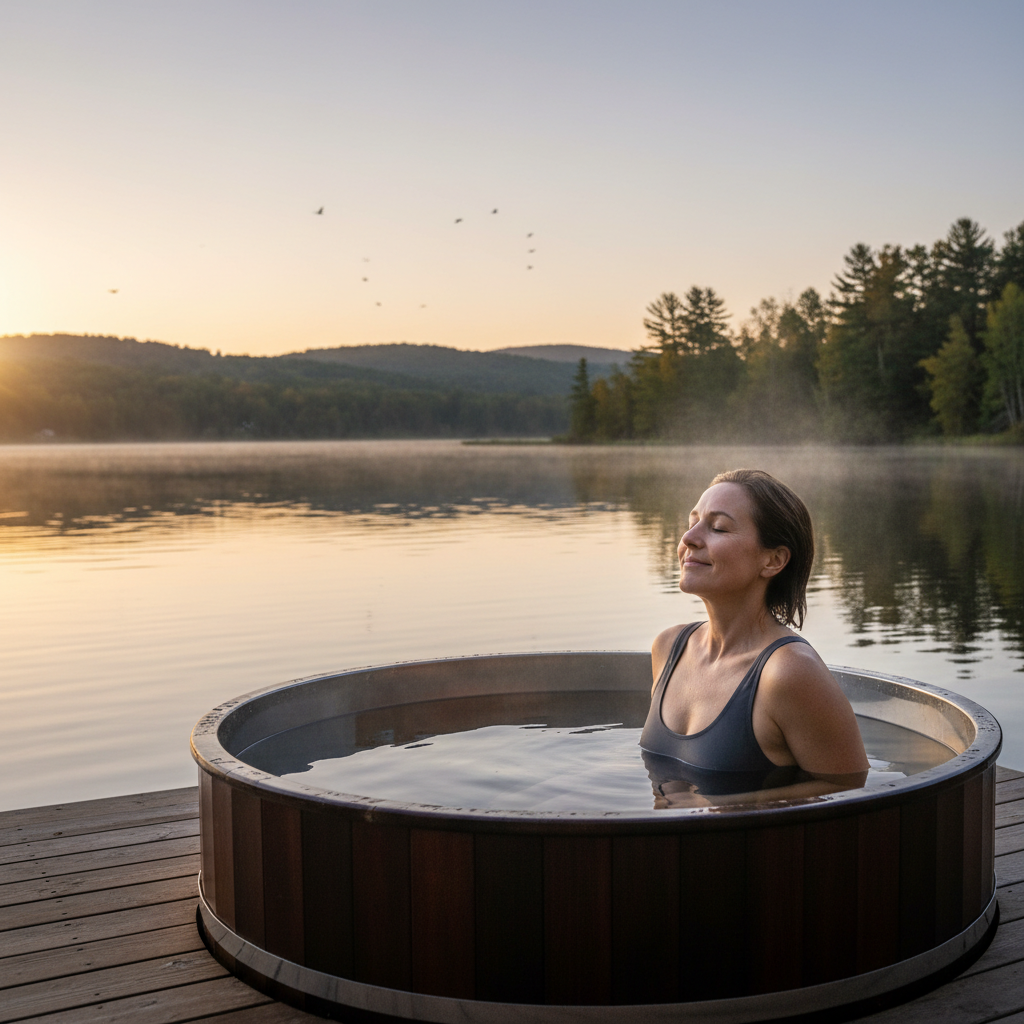
If you’ve spent any time on social media lately, you’ve likely seen someone—usually looking both exhilarated and terrified—submerging themselves into a tub filled with ice. While "cold plunging" or deliberate cold exposure has become the darling of biohackers, you might be wondering if it has any literal "chill" for the chaos of perimenopause.
Between the sudden spikes in internal temperature and the feeling that your metabolism has gone on strike, the idea of an icy reset is tempting. But before you turn your bathtub into an arctic tundra, it is essential to understand how cold plunges for perimenopause inflammation and hot flashes actually work on a physiological level. Is this just a fleeting wellness trend, or is there a genuine hormonal benefit to the "big freeze"?
Can cold water therapy stop your hot flashes?
The hallmark of the menopausal transition is the vasomotor symptom—the dreaded hot flash. These occur because fluctuating estrogen levels interfere with your body’s thermostat, located in the hypothalamus. Even a tiny change in ambient temperature can trigger a massive cooling response (sweating, heart palpitations, and flushing).
When you engage in cold water immersion (CWI), you are engaging in hormesis—a type of beneficial biological stress. While it seems counterintuitive to treat a "hot" symptom with "cold" shock, the long-term effect of cold plunging is the stabilization of the autonomic nervous system. Research suggests that regular cold exposure can improve "thermal comfort" and reduce the intensity of vasomotor responses over time by toning the sympathetic nervous system.
However, a cold plunge isn't a "cure" that stops a flash in its tracks like a fire extinguisher. Instead, it acts as a training ground for your blood vessels. This process, called vasoconstriction (narrowing) followed by vasodilation (widening), helps your vascular system become more resilient. For women navigating the perimenopause symptoms checklist, this improved vascular tone can mean fewer "fake fire alarms" from the hypothalamus.
| Feature | Impact on Hot Flashes | Mechanism |
|---|---|---|
| Vascular Tone | High | Improves the efficiency of blood vessel constriction and dilation. |
| Hypothalamic Reset | Medium | Calibrates the body's internal thermostat over time. |
| Immediate Relief | High | Physically lowers skin temperature and core heat during the plunge. |
| Long-term Reduction | Variable | Depends on consistency and individual hormonal fluctuations. |
The impact of cold plunging on perimenopause cortisol levels?
One of the biggest hurdles in midlife is the "cortisol creep." As progesterone drops, our resilience to stress often declines with it. High cortisol is a thief; it steals your sleep, packs fat around your midsection, and worsens the brain fog many women feel during this transition.
When you first step into ice water, your body has an immediate "fight or flight" response. Your heart rate spikes, and cortisol and adrenaline surge. This sounds like the last thing a stressed perimenopausal woman needs! However, the magic happens in the recovery phase. Following the initial shock, there is a significant increase in parasympathetic activity—the "rest and digest" system.
Regular cold plunging has been shown to increase the output of norepinephrine and dopamine, which can elevate mood and focus for hours after the plunge. By voluntarily exposing yourself to a controlled stressor, you are teaching your adrenal glands to return to a baseline calm more quickly. This "stress inoculation" can be particularly helpful if you are also managing fibromyalgia perimenopause symptoms, where the nervous system is often stuck in a state of high sensitivity or "wind-up."
How Brown Adipose Tissue (BAT) helps with midlife metabolism?
Many women notice a frustrating shift in weight distribution during perimenopause. This is often linked to perimenopause insulin resistance signs, where the body becomes less efficient at processing glucose. This is where the science of "Brown Fat" or Brown Adipose Tissue (BAT) comes in.
Unlike "white fat," which stores energy, brown fat is thermogenic—it burns energy to create heat. Babies have a lot of it to keep warm, but adults tend to lose it as they age. Cold exposure is one of the only known ways to "recruit" and activate brown fat.
- Thermogenesis: When you are cold, your BAT consumes glucose and fatty acids to produce heat, helping to clear excess sugar from your bloodstream.
- UCP1 Activation: Cold triggers a protein called Uncoupling Protein 1, which essentially tells your mitochondria to burn fuel for heat rather than storing it as ATP.
- Insulin Sensitivity: Studies have indicated that cold acclimation can improve whole-body insulin sensitivity, a critical factor for women looking to manage midlife weight gain.
By incorporating cold water therapy, you aren't just "burning calories" while you shiver; you are potentially changing the metabolic profile of your fat tissue, making it more metabolically active.
Is cold plunging safe if you have autoimmune issues?
Perimenopause often unmasks or exacerbates autoimmune conditions, with Hashimoto’s being one of the most common. When looking at the Hashimotos perimenopause overlap, we find that both conditions can cause cold intolerance. This leads many women to ask: "If I'm always cold already, isn't an ice bath dangerous?"
The answer depends on the state of your thyroid and your current inflammation levels. Cold plunging is a potent anti-inflammatory tool because it suppresses pro-inflammatory cytokines. For those with joint pain or systemic inflammation, it can feel like a "system reset."
However, if your thyroid is severely underactive, your body may struggle to generate the heat necessary to recover from a plunge. This can lead to a "crash" in energy. If you have an autoimmune diagnosis, it is vital to:
- Consult your physician first.
- Start with "cool" rather than "ice cold."
- Ensure you have a plan to warm up properly afterward (movement, warm tea, or a sauna).
- Listen to your body—if a plunge leaves you exhausted for the rest of the day, the stressor was too great for your current capacity.
If you are just beginning your journey into hormone management, checking out an HRT for perimenopause beginners guide can help you understand how providing hormonal support might actually make you more resilient to tools like cold therapy.
How long and how cold do you really need to go?
A common mistake is thinking you need to stay in for ten minutes at 33°F (0.5°C) to see results. In reality, the "Goldilocks zone" is much more manageable. According to researchers like Dr. Susanna Søberg, a cumulative total of just 11 minutes of cold exposure per week (split into 2-3 sessions) is enough to trigger metabolic and brown fat benefits.
As for temperature, it should be "uncomfortably cold, but safe." For most people, this is between 50°F and 60°F (10°C to 15°C). You don't need to be an Olympic athlete or a polar bear. The goal is to trigger the "gasp" response and then work on controlling your breathing until that initial panic subsides.
The Cold Plunge Protocol for Beginners:
- Step 1: Start with a 30-second cold finish to your normal warm shower.
- Step 2: Gradually increase the duration of the cold finish to 2 minutes.
- Step 3: Try a dedicated plunge (chest deep) for 1–2 minutes once your body is acclimated to the shower.
- Step 4: Focus on long, slow exhales to signal to your brain that you are safe.
The best time of day for perimenopausal women to plunge?
Timing is everything when your hormones are in flux. While many biohackers swear by a morning plunge, the best time for you depends on your primary symptom profile.
The Case for Morning Plunges: If your primary struggles are brain fog, low mood, and lethargy, a morning plunge is superior. The spike in dopamine and norepinephrine provides a natural, caffeine-free "up" that lasts for hours. Furthermore, cold exposure early in the day helps set your circadian rhythm by causing a temporary spike in body temperature afterward (your body overcompensates to warm up), which can help you feel more alert during the day and sleep better at night.
The Case for Afternoon Plunges: If you suffer from intense evening anxiety or late-day hot flashes, a mid-afternoon plunge can act as a "circuit breaker." It can lower your core temperature before the evening sets in, potentially making the transition to sleep smoother.
When to Avoid It: Avoid ice-cold plunges right before bed. Because the body reacts to the cold by heating up its core, a late-night plunge can actually raise your core temperature—the exact opposite of what your body needs to fall into a deep sleep. The CDC notes that a lower core body temperature is essential for sleep onset, so plunging too late might keep you wide awake.
Final Thoughts on the Big Chill
Cold plunging is not a magic wand that deletes perimenopause, but it is a powerful "hormetic" tool. It builds mental grit, reduces systemic inflammation, and can help wake up a sluggish midlife metabolism.
If you decide to take the plunge, remember that consistency beats intensity every time. You don't need to be the "coldest" person in the room; you just need to show up for your own nervous system. By supporting your body with the right nutrients, perhaps HRT, and stress-management tools like cold water therapy, you can move through perimenopause feeling more like yourself again.
Always pay attention to how your body responds. If you find yourself shivering uncontrollably for hours afterward, or if your sleep becomes disrupted, back off on the cold or the duration. In this season of life, your body is asking for support, not more punishment. Treat the cold as a friend that challenges you to find your breath in the middle of the storm. For many women, that skill of finding calm in 50-degree water translates perfectly to finding calm in the middle of a midday hot flash.
Disclaimer: This article is for informational purposes only and does not constitute medical advice. Cold water immersion can put significant strain on the cardiovascular system. Always consult with a healthcare professional before starting a new cold therapy routine, especially if you have high blood pressure, heart conditions, or are pregnant.
FAQ
Common questions
Can a cold plunge actually stop a hot flash?
While it doesn't 'cure' them, regular cold plunging can improve your body's thermal regulation and tone the nervous system, potentially reducing the frequency and intensity of hot flashes over time.
How long do I need to stay in cold water to see results?
Research suggests that just 11 minutes of cold exposure per week, divided into 2-3 sessions, is enough to see metabolic and anti-inflammatory benefits.
What is the ideal temperature for a perimenopause cold plunge?
For most women, 50°F to 60°F (10°C to 15°C) is effective. It should feel 'uncomfortably cold' but not so cold that you cannot control your breathing.
Is it better to plunge in the morning or at night?
Morning is usually best for energy and mood, as it triggers a natural dopamine spike. Avoid plunging right before bed, as the body's internal reheating process can interfere with sleep.
Does cold water therapy help with perimenopause weight gain?
Cold exposure can help recruit Brown Adipose Tissue (BAT), which burns glucose and fat for heat, potentially improving insulin sensitivity and midlife metabolism.
Is cold plunging safe for women with autoimmune issues?
Yes, cold exposure has potent anti-inflammatory effects. However, if you have Hashimoto's or Raynaud's, you must consult your doctor first as your body may struggle with temperature regulation.
Want this in your inbox each Sunday?
New articles, the science you can actually use, and the occasional rant.
Keep reading

Perimenopause Symptoms Checklist: 38 Signs You're Not Imagining
A comprehensive, doctor-reviewed checklist of perimenopause symptoms — from the obvious hot flashes to the weird ones nobody warned you about.
9 min read

Hashimoto's and Perimenopause: Why Symptoms Overlap (and How to Tell Them Apart)
Fatigue, brain fog, weight gain, hair loss — Hashimoto's and perimenopause share most symptoms. Here's how to tell what's flaring, what's hormonal, and what to ask your doctor.
11 min read

Fibromyalgia and Perimenopause: When Two Storms Collide
Why fibromyalgia almost always flares during perimenopause, what changes in your nervous system, and the small daily shifts that actually help.
10 min read