
Stopping the Pill After 40: Navigating the Hormone Shift
Explore the physiological shifts of coming off the birth control pill in perimenopause after 40. Learn about HRT transitions, symptom masking, and testing.
Published:
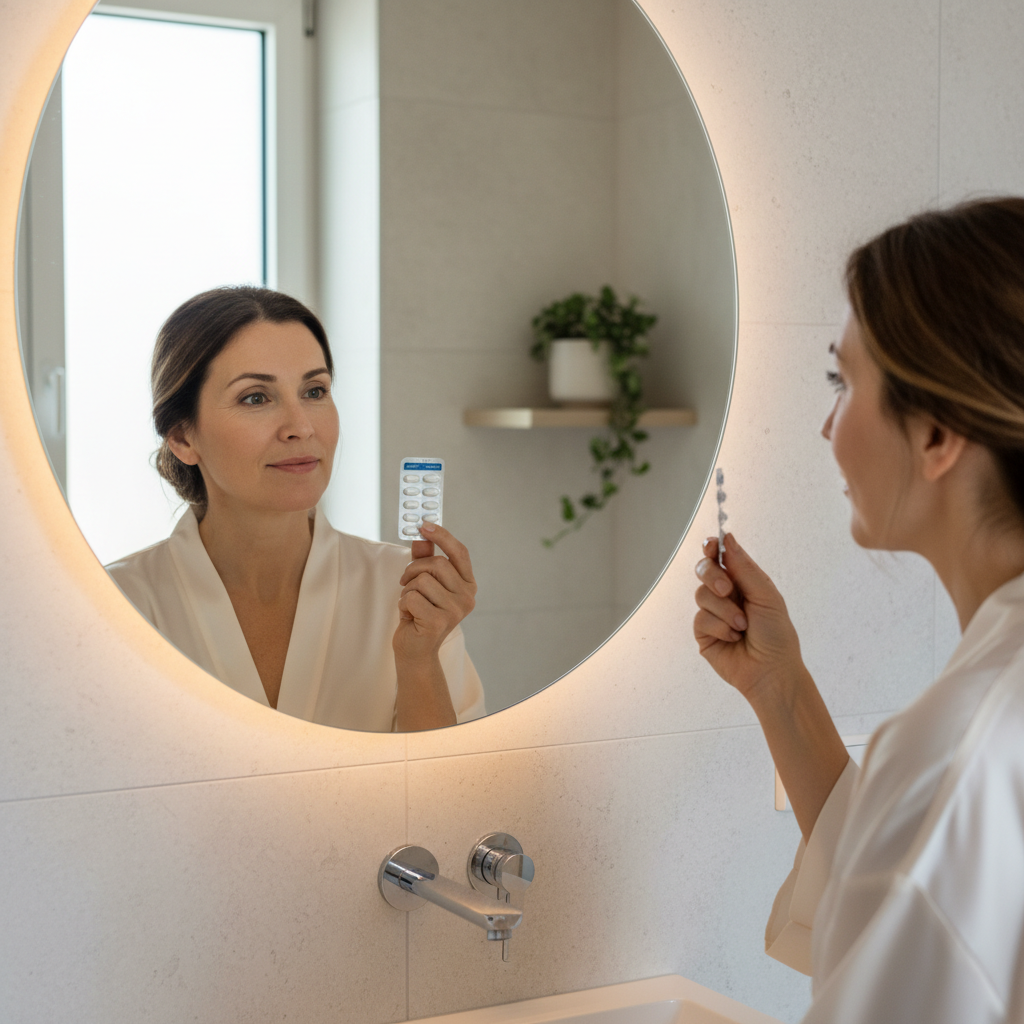
For decades, your daily birth control pill may have been more than just contraception; it was likely your cycle’s silent architect, providing a predictable rhythm and steady hormone levels. But as you cross the threshold of 40, you might start wondering if that tiny pill is doing more than preventing pregnancy. Is it masking the natural shifts of your body? Is it time to let the "real" you surface?
Coming off the birth control pill in perimenopause after 40 is a significant transition. It is not just about stopping a medication; it is about uncovering your body's underlying hormonal landscape. This journey can feel daunting, but understanding the physiology of the shift—and how to bridge the gap to HRT for perimenopause—is the key to your radiance in this next chapter.
Is it safe to stay on the pill until menopause?
One of the most common questions women ask their doctors is whether they can simply ride the "pill wave" all the way into their 50s. The short answer is: for many healthy, non-smoking women, staying on a low-dose combined oral contraceptive (COC) until age 50 or 51 is considered a safe and effective option.
According to the American College of Obstetricians and Gynecologists (ACOG), the primary concern for women over 40 on the pill is the increased risk of cardiovascular events, specifically venous thromboembolism (blood clots) and stroke. These risks are significantly higher if you smoke or have underlying hypertension. However, if you are a non-smoker with a healthy blood pressure profile, the pill provides several benefits during the perimenopause transition:
- Symptom Management: The pill provides a steady, potent dose of synthetic estrogen and progestin, which effectively suppresses hot flashes and night sweats.
- Bone Protection: The estrogen in the pill helps maintain bone mineral density, a critical factor as natural estrogen begins to decline.
- Cancer Reduction: Long-term use of the pill is associated with a significantly reduced risk of ovarian and endometrial cancers.
- Cycle Control: It prevents the erratic, heavy bleeding that often characterizes the late 40s.
However, the "pill" is not "HRT." Combined oral contraceptives contain levels of hormones that are much higher than those found in standard Hormone Replacement Therapy (HRT). While the pill shuts down your natural cycle to prevent ovulation, HRT simply "tops up" your declining levels to mitigate symptoms. Most clinicians recommend transitioning off the pill around age 50-52, which is the average age of menopause in the United States.
What happens when you stop the pill at 45?
When you stop the pill in your mid-40s, your body experiences a "rebound" effect. Since the pill has been providing a synthetic chemical baseline, your pituitary gland and ovaries must now re-establish their communication. This "crash" isn't a medical emergency, but it can be a sensory overload for your nervous system.
For years, the pill’s synthetic hormones have suppressed your Follicle Stimulating Hormone (FSH) and Luteinizing Hormone (LH). Once that suppression is lifted, your brain sends out high-intensity signals to the ovaries to "get back to work." Because your ovarian reserve is naturally lower at 45, the ovaries may respond erratically. You might experience:
- Intense Mood Swings: The sudden withdrawal of synthetic progestins can lead to irritability or "pill-stop" blues.
- Physical Fatigue: Your body is recalibrating its endocrine system, which requires significant energy.
- The Unmasking of Symptoms: If you were already in perimenopause while on the pill, you might suddenly feel the full weight of symptoms you didn't know you had.
If you find that your fatigue or brain fog persists long after stopping the pill, it is worth exploring whether other underlying issues are at play. Many women discover an overlap between Hashimoto’s and perimenopause during this time, as thyroid fluctuations often mimic or exacerbate perimenopausal shifts.
How the pill masks perimenopause symptoms for years?
The birth control pill is essentially a "hormonal veil." Because it provides a steady dose of hormones followed by a withdrawal bleed (the placebo week), it creates the illusion of a regular cycle. This can make it nearly impossible to know where you are in the perimenopausal transition.
Perimenopause is characterized by wildly fluctuating levels of estrogen and declining progesterone. However, when you are on the pill, these fluctuations are flattened out. You might not realize you are experiencing:
- Estrogen Dominance Spikes: Leading to breast tenderness or bloating.
- Progesterone Deficits: Causing anxiety or insomnia.
- Metabolic Changes: The pill can mask early perimenopause insulin resistance signs, such as increased abdominal adiposity or late-afternoon energy crashes.
Often, women only realize they have been in perimenopause for years once they stop the pill and are hit with a wave of joint pain, vaginal dryness, or the "internal tremors" often associated with perimenopause and fibromyalgia symptoms. By staying on the pill, you are effectively delaying the "symptom discovery" phase. While this provides comfort, it can also lead to a delay in starting targeted HRT or making necessary lifestyle adjustments to protect your metabolic health.
Transitioning from the birth control pill to HRT?
If you are over 40 and experiencing "breakthrough" symptoms (like hot flashes) even while on the pill, or if you are concerned about the cardiovascular risks of high-dose synthetics, it may be time to transition to Hormone Replacement Therapy (HRT).
The transition is rarely a "straight swap." Because the pill contains higher hormone levels, moving directly to a low-dose HRT patch can sometimes feel like a step backward in terms of symptom control. However, HRT uses body-identical (transdermal) estrogen, which carries a lower risk of blood clots compared to the oral synthetic estrogen found in the pill.
| Feature | Combined Birth Control Pill | Hormone Replacement Therapy (HRT) |
|---|---|---|
| Primary Goal | Prevent Pregnancy | Symptom Relief / Long-term Health |
| Hormone Dose | High (Supra-physiological) | Low (Physiological replacement) |
| Mechanism | Suppresses your natural cycle | Complements your natural cycle |
| Estrogen Type | Ethinyl Estradiol (Synthetic) | Estradiol (Body-identical/Micronized) |
| Blood Clot Risk | Higher (due to oral synthetic estrogen) | Lower (when using transdermal patches/gels) |
| Period Control | Produces a predictable withdrawal bleed | May result in erratic bleeding during adjustment |
The North American Menopause Society (NAMS) notes that for many women, the "bridge" method works best. This involves stopping the pill, waiting for one full cycle to see what your "baseline" looks like, and then starting HRT based on your specific symptoms. Referencing a perimenopause symptoms checklist during this gap can help you and your doctor determine the right HRT starting dose.
Managing the rebound of heavy periods and acne?
One of the biggest fears of coming off the birth control pill in perimenopause after 40 is the return of "teenage" skin and "horror-movie" periods. When you remove the synthetic progestins that were thinning your uterine lining, the lining can grow thicker due to the erratic "estrogen surges" of perimenopause.
To manage the rebound, consider these steps:
- Anticipate the Flow: Be prepared for your first few periods to be heavier and more painful. Your body is shedding a lining that has been regulated by external hormones for years.
- Support Your Liver: The liver processes hormones. Ensuring adequate fiber intake and hydration helps clear the "old" synthetic hormones from your system more efficiently.
- Address Androgen Spikes: The pill often suppresses androgens (male-type hormones). When you stop, you may experience a temporary surge in sebum production, leading to cystic acne along the jawline.
- Monitor Your Iron: Heavy periods in your 40s can quickly lead to anemia. According to the Mayo Clinic, heavy menstrual bleeding (menorrhagia) is a common reason for iron deficiency in women and should be monitored via ferritin tests.
If the bleeding is unmanageable, your doctor may suggest a hormonal IUD (like Mirena), which provides localized progestin to thin the uterine lining without the systemic high doses of the pill. This is often the "Gold Standard" for women in their late 40s who need both contraception and period control.
What tests should you get once the pill is out of your system?
You cannot accurately test your hormone levels while taking the pill because the synthetic hormones suppress your natural production and skew the results of blood tests. To get an accurate picture of your "hormonal health," you typically need to be off the pill for at least three months.
Once the pill is out of your system, the following tests provide a roadmap for your perimenopausal health:
- FSH (Follicle Stimulating Hormone): While FSH fluctuates daily in perimenopause, a consistently high reading (especially over 30 mIU/mL) on day 3 of your cycle can indicate you are approaching menopause.
- Ferritin: To check for iron stores, especially if your periods have returned with a vengeance.
- Fast Insulin and HbA1c: To monitor for metabolic shifts, as the loss of estrogen can affect how your body handles glucose.
- Lipid Profile: Estrogen helps keep "bad" LDL cholesterol low and "good" HDL cholesterol high. Stopping the pill may reveal your natural lipid baseline.
- Thyroid Panel (TSH, Free T3, Free T4, TPO Antibodies): Because thyroid issues so frequently mimic perimenopause, this is a non-negotiable test during your transition.
Knowing your numbers is empowering. It moves you from "guessing" to "strategizing." For many women, this transition is the perfect time to review a perimenopause beginners guide to understand how to replace what is missing, rather than just suppressing what is there.
Coming off the birth control pill after 40 is a "second puberty" of sorts. It requires patience, a bit of grit, and a lot of self-compassion. By understanding that the symptoms you experience aren't "failures" of your body, but rather signals that it is searching for a new equilibrium, you can navigate this transition with grace and confidence. You aren't losing control; you are finally getting to know the real you.
Scientific References & Citations:
- Management of Hormonal Contraception in Women Over 40: American College of Obstetricians and Gynecologists (ACOG)
- The 2022 Hormone Therapy Position Statement: The North American Menopause Society (NAMS)
- Understanding Menorrhagia (Heavy Bleeding): Mayo Clinic
- Menopause Diagnosis and Management: National Institute for Health and Care Excellence (NICE)
- Estrogen and Cardiovascular Health: National Institutes of Health (NIH)
FAQ
Common questions
Is it safe to stay on the pill until 50?
While you can stay on it for symptom control until ~51, doctors often recommend switching to HRT if you have cardiovascular risks or if you want to use body-identical hormones.
What is the pill-stop crash?
The 'crash' is the sudden withdrawal of synthetic hormones. Symptoms like mood swings, fatigue, and night sweats may appear as your own hormones struggle to recalibrate.
Does the pill hide menopause?
The pill provides a steady hormone dose, which suppresses the natural fluctuations (and hot flashes) of perimenopause, often hiding your true hormonal stage.
How long should I be off the pill before testing hormones?
Wait at least 3 months after stopping the pill before testing FSH, LH, or progesterone to ensure the results reflect your natural levels.
Can I go straight from the pill to HRT?
Yes. HRT uses a much lower dose of hormones than the pill and focuses on replacing what your body lacks rather than shutting down your cycle.
Why did my acne return after stopping the pill?
Acne often returns because the pill's anti-androgen effects wear off. Managing insulin levels and skin health can help during this temporary rebound.
Want this in your inbox each Sunday?
New articles, the science you can actually use, and the occasional rant.
Keep reading

Perimenopause Symptoms Checklist: 38 Signs You're Not Imagining
A comprehensive, doctor-reviewed checklist of perimenopause symptoms — from the obvious hot flashes to the weird ones nobody warned you about.
9 min read

Hashimoto's and Perimenopause: Why Symptoms Overlap (and How to Tell Them Apart)
Fatigue, brain fog, weight gain, hair loss — Hashimoto's and perimenopause share most symptoms. Here's how to tell what's flaring, what's hormonal, and what to ask your doctor.
11 min read

Fibromyalgia and Perimenopause: When Two Storms Collide
Why fibromyalgia almost always flares during perimenopause, what changes in your nervous system, and the small daily shifts that actually help.
10 min read