
Estrogen Gel vs. Patch: Which Is Right for You?
Deciding between estrogen gel vs patch? Compare pros and cons, absorption rates, and skin irritation risks for HRT delivery in this expert guide.
Published:
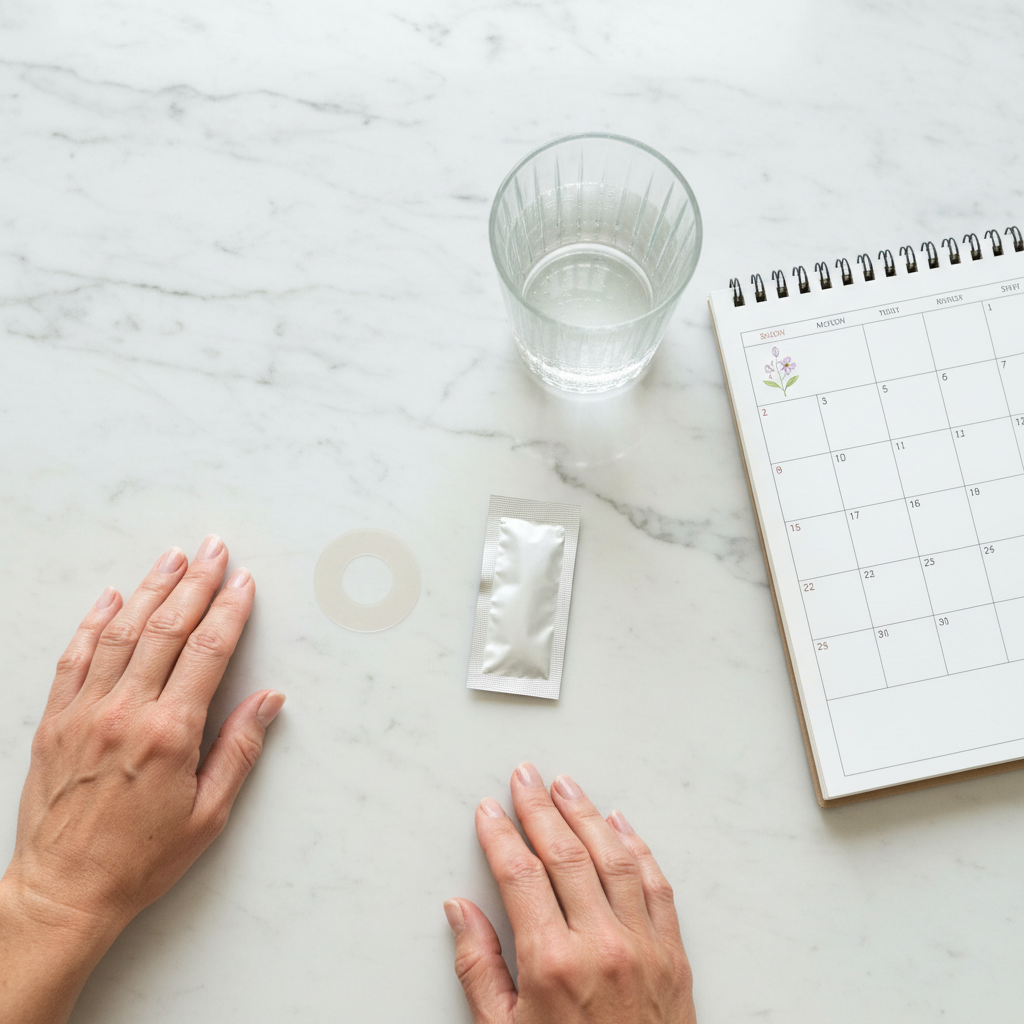
Navigating the world of Hormone Replacement Therapy (HRT) can feel overwhelming, especially when you are already dealing with a perimenopause symptoms checklist that seems to grow longer by the day. If you and your healthcare provider have decided that transdermal estrogen is the right path for you, you likely find yourself facing a common dilemma: the gel or the patch?
Both options deliver estradiol—the primary form of estrogen lost during menopause—directly through the skin and into the bloodstream. This "transdermal" route is often preferred because it bypasses the liver's first-pass metabolism, which lowers the risk of blood clots and stroke compared to oral pills. However, how that estrogen gets into your system can vary significantly between a daily gel and a once- or twice-weekly patch. Understanding the pros and cons of estrogen gel vs. patch is essential to finding the delivery method that fits your biology and your lifestyle.
What is the difference between Divigel and the Climara patch?
The primary difference between Divigel (a popular brand of estrogen gel) and the Climara patch (a common transdermal reservoir) lies in the delivery frequency and the physical interface with your skin.
Divigel is a topical hydroalcoholic gel containing estradiol. It is typically applied once daily to the upper thigh. Once applied, the gel dries quickly, and the estrogen is stored in the stratum corneum (the outermost layer of the skin), from which it is slowly released into the systemic circulation over 24 hours. This manual application requires you to be diligent about your daily routine to maintain stable hormone levels.
In contrast, the Climara patch is a translucent, adhesive-based system. You apply it to your lower abdomen or buttocks, and it stays in place for seven days. Other patches, like Vivelle-Dot, are replaced every 3.5 days. The patch acts as a reservoir, providing a continuous, metered dose of estradiol through the skin. For many entering HRT for perimenopause: a beginner’s guide, the "set it and forget it" nature of the patch is a significant draw.
| Feature | Estrogen Gel (e.g., Divigel, EstroGel) | Estrogen Patch (e.g., Climara, Vivelle-Dot) |
|---|---|---|
| Application Frequency | Once Daily | Once or Twice Weekly |
| Method | Rub-on gel | Adhesive patch |
| Drying Time | 2-5 minutes | None |
| Visibility | Invisible once dry | Transparent but visible |
| Skin Irritation Risk | Low (alcohol may dry skin) | Moderate (adhesive reactions) |
| Transfer Risk | Possible to others if not dry | None |
Why do some women prefer gel over the estrogen patch?
Personal preference plays a massive role in HRT compliance. While the patch is convenient, many women find that the gel offers a level of flexibility and comfort that a physical adhesive cannot.
One common reason for preferring gel is "patch fatigue." Over time, the skin can become sensitized to the adhesives used in patches. This can lead to red, itchy, or even blistered skin at the application site. For women who already struggle with sensitive skin or conditions like fibromyalgia perimenopause symptoms (where skin sensitivity can be heightened), the gel provides a soothing alternative that doesn't involve peeling off a sticky residue.
Furthermore, the gel allows for more precise dose titrations. If a standard 0.5mg dose isn't quite managing your hot flashes, but 1.0mg feels like too much, your doctor may find it easier to adjust gel amounts than to find an intermediate patch size. Additionally, women who are very active—swimmers, heavy sweaters, or those who use saunas—often find that patches can lose their "stick" and fall off prematurely. The gel, once absorbed (usually within a few minutes), is unaffected by sweat or water.
Does the estrogen gel provide a more consistent hormone dose?
Consistency is the holy grail of HRT. You want to avoid the "rollercoaster" of hormone highs and lows that can trigger migraines or mood swings. According to the North American Menopause Society (NAMS), both transdermal patches and gels are designed to provide relatively stable blood levels of estradiol compared to the spikes seen with oral tablets.
However, the "consistency" of the dose depends on whether you mean day-to-day or hour-by-hour.
- Daily consistency: The patch is superior here. Because it stays on for days, it provides a steady "drip" of estrogen. Studies show that patches maintain a very flat serum concentration curve.
- Control over extremes: Some women find that the gel provides a "peak" shortly after application that helps them feel better throughout the day. Conversely, toward the end of a 7-day patch cycle, some women report a "trough" or a dip in effectiveness as the patch's reservoir is depleted, leading to a return of symptoms like perimenopause insulin resistance signs or night sweats on "patch change day."
Research published via PubMed Central suggests that both delivery systems are highly effective at reaching therapeutic levels, but individual absorption rates vary greatly between patients.
What are the absorption issues with patches vs. topical gels?
Absorption is not a "one size fits all" process. Your skin thickness, body fat percentage, and even the ambient temperature can affect how much estrogen makes it into your bloodstream.
Patch Absorption Issues: The most common issue with patches is "displacement." If the patch doesn't have 100% contact with the skin—due to body hair, lotions, or skin folds—you won't receive the full dose. Additionally, localized heat (like a heating pad or a very hot bath) can cause "dumping," where the heat increases blood flow to the skin and causes the patch to release estrogen faster than intended, potentially leaving you with less medication at the end of the week.
Gel Absorption Issues: The gel relies on the "depot effect" in the skin. If you apply the gel and then put on tight clothing immediately, some of the medication may be absorbed by your clothes rather than your skin. There is also the "transfer" risk. If the gel hasn't dried and you come into skin-to-skin contact with a partner, child, or pet, they may inadvertently absorb your estrogen. This is why strict adherence to application instructions—applying to the correct surface area and washing hands—is vital.
It is also worth noting that metabolic health can impact how we process these hormones. For instance, those navigating Hashimoto’s and perimenopause overlap may find that their skin permeability or metabolic clearance of hormones differs, making one delivery method more reliable for them than the other.
How do I know if my skin is properly absorbing my HRT?
The most reliable indicator of absorption isn't a lab test, but your clinical response. If your hot flashes, brain fog, and vaginal dryness are improving, your skin is likely absorbing the estrogen well. However, if you are using the maximum dose and still feeling no relief, you may have an absorption issue.
Common signs of poor absorption include:
- A return of vasomotor symptoms (hot flashes/night sweats) midway through your cycle.
- "Breakthrough" symptoms on the day you are meant to change your patch.
- Stable symptoms when using gel but erratic symptoms when using a patch (or vice versa).
While blood tests for estradiol can be helpful, The Mayo Clinic notes that hormone levels can fluctuate significantly during perimenopause, making a single blood draw potentially misleading. Instead, many specialists look for a "steady state" of symptom relief over a 3-month period. If you suspect poor absorption, your provider might suggest changing the application site. For example, moving a patch from the abdomen to the buttocks can increase absorption by about 20% due to differences in skin characteristics and blood flow.
Which transdermal option carries a lower risk of skin irritation?
If you have sensitive skin, the gel is almost always the winner. Most estrogen gels are formulated with purified water and ethanol; while the alcohol can be slightly drying, it rarely causes the allergic contact dermatitis associated with patches.
According to research in the Journal of the American Medical Association (JAMA), up to 20-30% of patch users experience some form of skin irritation. This is usually caused by the "acrylate" or silicone-based adhesives. To minimize irritation with the patch, you must:
- Rotate the site every single time.
- Apply only to clean, dry skin (no oils or lotions).
- Avoid areas where clothing might rub (like the waistband).
If you develop a "shadow" or a red square where your patch used to be, your skin is reacting to the adhesive. While some women find relief by spraying a bit of over-the-counter nasal steroid (like Flonase) on the skin and letting it dry before applying the patch, many simply find it easier to switch to a daily gel.
Making the Choice: A Summary of Lifestyle Factors
Ultimately, the choice between estrogen gel vs. patch depends on your daily habits.
If you are a busy professional who might forget a daily morning ritual, the patch provides peace of mind. You only have to remember it once or twice a week, and it works quietly in the background. It is also the "gold standard" for those who want the most scientifically documented steady-state delivery.
If you have a very active lifestyle, sensitive skin, or prefer to have total control over your dose, the gel is an excellent choice. It avoids the mess of sticky adhesives and allows you to adjust your application based on how you feel. It also eliminates the "ugly" factor of lint-covered patch rings on the skin.
Before making a final decision, review your perimenopause symptoms checklist with your doctor. They can help you determine the starting dose that is right for your body. Whether you choose the gel or the patch, the goal remains the same: restoring your hormonal balance so you can return to feeling like your radiant, vibrant self. Both options represent the modern "gold standard" for safe, effective estrogen replacement, offering a much-needed reprieve from the turbulent transition of menopause.
Remember, HRT is a journey, not a destination. It is perfectly normal to start with a patch, find it doesn't suit your skin, and switch to a gel—or vice versa. Listen to your body, track your symptoms, and work closely with a menopause-certified provider to fine-tune your treatment plan. With the right delivery method, the symptoms of perimenopause don't have to define your life; they can simply be a transition you navigate with grace and science-backed support.
Scientific References & Further Reading:
- NAMS (2022 Position Statement): The 2022 Hormone Therapy Position Statement of The North American Menopause Society
- National Institutes of Health: Transdermal estrogen use and risk of cardiovascular disease
- British Menopause Society (BMS): HRT: Transdermal Gels and Patches
- Endocrine Society: Clinical Practice Guidelines for Menopause Management
- Cochrane Library: Hormone therapy for Preventing Cardiovascular Disease in Postmenopausal Women
FAQ
Common questions
How often do I need to apply estrogen gel compared to a patch?
Estrogen gel must be applied once daily, while patches are typically replaced either once or twice a week depending on the brand.
Can estrogen gel rub off on my partner or children?
Yes, if the gel is not fully dry, it can transfer to others through skin-to-skin contact. This is not a risk with patches, which are self-contained.
Can I swim or shower with an estrogen patch?
Most patches are designed to be water-resistant and can be worn while swimming or bathing, though high heat (like saunas) may cause them to peel or release medication too quickly.
Which option provides the most stable hormone levels?
Patches generally provide the most stable, continuous blood levels of estradiol, whereas gels may have a slight peak and trough over a 24-hour period.
How can I tell if my skin isn't absorbing the estrogen?
Signs include the return of hot flashes, night sweats, or mood swings. If symptoms persist despite a high dose, your skin may not be absorbing the medication effectively.
Is the gel better for women with sensitive skin?
The gel is usually better for sensitive skin because it lacks the adhesives found in patches, which are a common cause of contact dermatitis and irritation.
Want this in your inbox each Sunday?
New articles, the science you can actually use, and the occasional rant.
Keep reading

Perimenopause Symptoms Checklist: 38 Signs You're Not Imagining
A comprehensive, doctor-reviewed checklist of perimenopause symptoms — from the obvious hot flashes to the weird ones nobody warned you about.
9 min read

Hashimoto's and Perimenopause: Why Symptoms Overlap (and How to Tell Them Apart)
Fatigue, brain fog, weight gain, hair loss — Hashimoto's and perimenopause share most symptoms. Here's how to tell what's flaring, what's hormonal, and what to ask your doctor.
11 min read

Fibromyalgia and Perimenopause: When Two Storms Collide
Why fibromyalgia almost always flares during perimenopause, what changes in your nervous system, and the small daily shifts that actually help.
10 min read