
Gallbladder Issues: The Hidden Perimenopause Connection
Exploring the link between gallbladder issues and perimenopause symptoms after 40. Learn how estrogen dominance, HRT, and metabolic shifts affect your health.
Published:
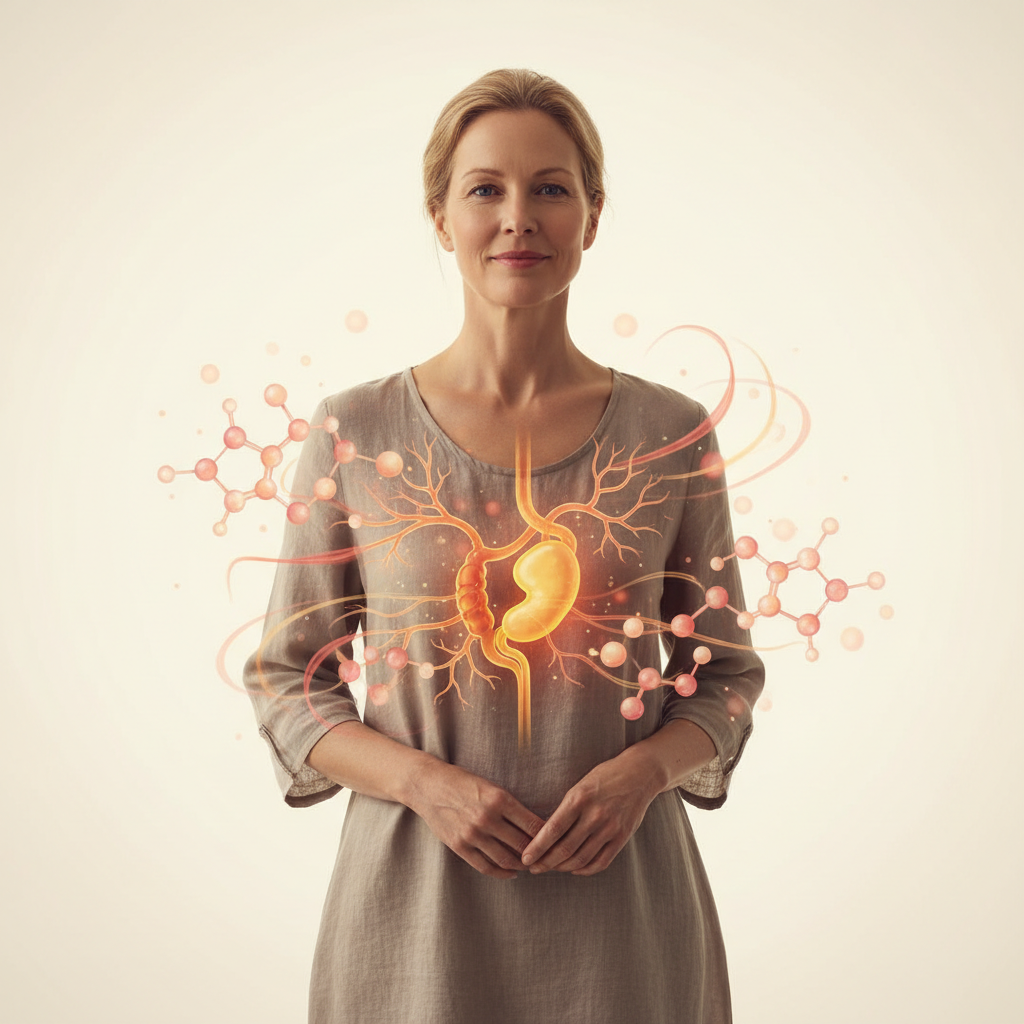
If you have reached your 40s and noticed a nagging pain under your right ribcage, or perhaps sudden bouts of indigestion that feel like more than just "bad pizza," you aren't alone. For many women, gallbladder issues and perimenopause symptoms after 40 go hand-in-hand, yet this connection is rarely discussed in the average doctor's visit.
As you navigate the hormonal shifts of midlife, your gallbladder—a tiny, pear-shaped organ tucked under your liver—becomes surprisingly sensitive to the fluctuating levels of estrogen and progesterone. Understanding this link is essential for protecting your digestive health and ensuring that what you think is "just menopause" isn't actually a biliary system under duress.
Why do gallbladder problems often start during perimenopause?
The gallbladder's primary job is to store and concentrate bile, a fluid produced by your liver that helps break down fats. During perimenopause, the rhythmic dance of your hormones begins to falter. Research indicates that estrogen increases the saturation of cholesterol in bile, making the fluid thicker and more prone to forming stones.
Simultaneously, progesterone—the "relaxing" hormone—also begins to fluctuate. Progesterone acts as a smooth muscle relaxant. While this is helpful for preventing uterine contractions, it also relaxes the gallbladder walls. When the gallbladder relaxes too much, it doesn't empty efficiently. This "biliary stasis" allows bile to sit stagnant, providing the perfect environment for crystals to form into gallstones.
If you are already tracking your transitions with a perimenopause symptoms checklist, you may notice that digestive upset tends to flare during the same windows as your hot flashes or mood swings. This is because the same hormonal volatility driving your vasomotor symptoms is also slowing down your biliary motility.
How does ‘estrogen dominance’ affect bile production and stones?
In the early stages of perimenopause, it is common to experience "estrogen dominance." This doesn't necessarily mean you have more estrogen than you did in your 20s; rather, it means your progesterone levels are dropping faster than your estrogen levels, leaving estrogen unopposed.
Estrogen has a direct impact on how the liver processes lipids. It stimulates the liver to remove more cholesterol from the blood and shovel it into the bile. According to the Mayo Clinic, excess cholesterol in the bile is the leading cause of cholesterol gallstones.
When your bile is "supersaturated" with cholesterol, it becomes sludge-like. This sludge can cause inflammation (cholecystitis) even if large stones haven't formed yet. This metabolic shift is often why women who have never had digestive issues suddenly find themselves unable to tolerate avocados, olive oil, or fatty meats after age 45.
Furthermore, this hormonal imbalance often correlates with other systemic issues. Many women dealing with gallbladder sluggishness also exhibit perimenopause insulin resistance signs, as insulin levels also dictate how the body manages cholesterol and fat storage.
Is that upper abdominal pain perimenopause gas or gallstones?
One of the most frustrating aspects of perimenopause is the "symptom mimicry." Midlife bloating is so common it has been nicknamed "meno-pot," but distinguishing between harmless gas and a gallbladder attack is vital.
A gallbladder attack (biliary colic) typically presents as:
- Sharp, intense pain in the upper right quadrant of the abdomen.
- Pain that radiates to the right shoulder blade or between the shoulder blades.
- Nausea or vomiting following a high-fat meal.
- Pain that lasts anywhere from 30 minutes to several hours and does not improve with antacids or passing gas.
In contrast, perimenopause gas tends to be more diffuse, moving throughout the abdomen, and is often relieved by movement or bowel movements. However, because perimenopause can also trigger fibromyalgia perimenopause symptoms, your central nervous system may be extra sensitive to any abdominal discomfort, making "minor" gas feel significantly more painful.
| Symptom | Perimenopause Gas | Gallbladder Attack (Biliary Colic) |
|---|---|---|
| Location | Generalized, shifts around | Upper right side, under ribs |
| Radiation | Stays in abdomen | Radiates to back or right shoulder |
| Triggers | Carbonation, fiber, cruciferous veg | High-fat meals, large dinners |
| Duration | Transient, relieved by burping | Constant for 30 min to 6 hours |
| Fever/Chills | No | Possible (indicates infection) |
Can HRT increase your risk of gallbladder issues?
This is a critical question for any woman considering Hormone Replacement Therapy. The short answer is: yes, but the method of delivery matters immensely.
Oral estrogen (pills) must pass through the digestive system and the liver—this is known as "first-pass metabolism." During this process, oral estrogen significantly increases the lithogenicity (stone-forming potential) of bile. A landmark study published in JAMA found that women using oral HRT had a significantly higher risk of gallbladder disease compared to those who did not.
However, transdermal estrogen (patches, gels, or sprays) bypasses the liver. Research suggests that transdermal HRT does not carry the same gallbladder risk as oral versions. If you are reading an HRT for perimenopause beginners guide, ensure you discuss the delivery method with your provider, especially if you have a family history of gallstones.
How to support your gallbladder while managing perimenopause?
You don't have to wait for an emergency room visit to start supporting your biliary health. Small, consistent shifts can improve bile flow and reduce the risk of stone formation.
- Focus on Healthy Fats, Don't Avoid Them: While it sounds counterintuitive, a "zero-fat" diet can actually cause gallstones because the gallbladder never gets the signal to empty, leading to stagnation. Focus on moderate amounts of anti-inflammatory fats like omega-3s.
- Increase Bitter Foods: Foods like arugula, dandelion greens, and radicchio stimulate bile production.
- Stay Hydrated: Bile is approximately 95% water. Dehydration makes bile thicker and more likely to crystallize.
- Manage Insulin: High insulin levels signal the liver to dump more cholesterol into the bile. Reducing refined sugars can indirectly protect your gallbladder.
- Check Your Thyroid: There is a strong Hashimotos perimenopause overlap; low thyroid function slows down the entire digestive tract, including gallbladder emptying.
If you are experiencing chronic "sludge" or minor discomfort, talk to your doctor about supportive supplements like taurine or phosphatidylcholine, which help keep bile in a liquid state.
What is the ‘Fat, Female, Forty’ myth vs. the metabolic reality?
For decades, medical textbooks used the "4 F's" to describe the typical gallbladder patient: "Fat, Female, Forty, and Fertile." While this mnemonic persists, it is a gross oversimplification that ignores the metabolic reality of aging.
The "Forty" and "Female" components are essentially proxies for the perimenopausal transition. It isn't just about weight; it is about the metabolic shift that occurs when we lose the protective effects of balanced hormones. As estrogen and progesterone fluctuate, our lipid metabolism changes.
In perimenopause, we often see a rise in LDL cholesterol and a decrease in HDL, even without major dietary changes. This shift increases the cholesterol load the liver must process. Furthermore, the "Fat" component often refers to the visceral adiposity (belly fat) that accumulates during perimenopause due to cortisol and insulin changes. This visceral fat is metabolically active and contributes to the inflammation of the gallbladder (cholecystitis).
We must move away from the "4 F's" as a form of blame and instead see them as markers of a body undergoing a profound endocrine transformation. Recognizing the gallbladder-perimenopause connection allows us to intervene with lifestyle and hormonal support before a surgical intervention becomes necessary.
Your gallbladder isn't just a "spare part"—it is a vital component of your hormonal and digestive health. By supporting bile flow and choosing the right forms of hormone therapy, you can navigate your 40s and 50s without the interruption of biliary pain.
Scientific References and Citations:
FAQ
Common questions
Why does perimenopause increase gallstone risk?
Estrogen increases cholesterol saturation in bile, while fluctuating progesterone slows gallbladder emptying, creating a 'perfect storm' for stone formation.
Does HRT make gallbladder problems worse?
Yes, oral HRT passes through the liver and can double the risk of gallstone formation. Transdermal methods (patches/gels) are generally considered safer for the gallbladder.
How can I tell the difference between gas and a gallbladder attack?
Gallbladder pain is usually sharp, located in the upper right abdomen, and radiates to the back. Gas is typically diffuse, moves around, and is relieved by flatulence.
What are the early warning signs of gallbladder issues in my 40s?
Early signs include nausea after fatty meals, light-colored stools, bloating, and a dull ache under the right ribcage.
What foods help support the gallbladder during perimenopause?
Bitters (like arugula), fiber-rich vegetables, healthy omega-3 fats, and staying hydrated are essential for maintaining healthy bile flow.
Can weight loss during perimenopause affect my gallbladder?
Rapid weight loss can cause the liver to release extra cholesterol into the bile, which significantly increases the risk of stone formation during the midlife transition.
Want this in your inbox each Sunday?
New articles, the science you can actually use, and the occasional rant.
Keep reading

Perimenopause Symptoms Checklist: 38 Signs You're Not Imagining
A comprehensive, doctor-reviewed checklist of perimenopause symptoms — from the obvious hot flashes to the weird ones nobody warned you about.
9 min read

Hashimoto's and Perimenopause: Why Symptoms Overlap (and How to Tell Them Apart)
Fatigue, brain fog, weight gain, hair loss — Hashimoto's and perimenopause share most symptoms. Here's how to tell what's flaring, what's hormonal, and what to ask your doctor.
11 min read

Fibromyalgia and Perimenopause: When Two Storms Collide
Why fibromyalgia almost always flares during perimenopause, what changes in your nervous system, and the small daily shifts that actually help.
10 min read