
High Glucose After Protein? Perimenopause Metabolic Shifts
Learn why perimenopause causes high glucose after high protein meals. Explore the role of estrogen, gluconeogenesis, and how to stabilize your blood sugar.
Published:
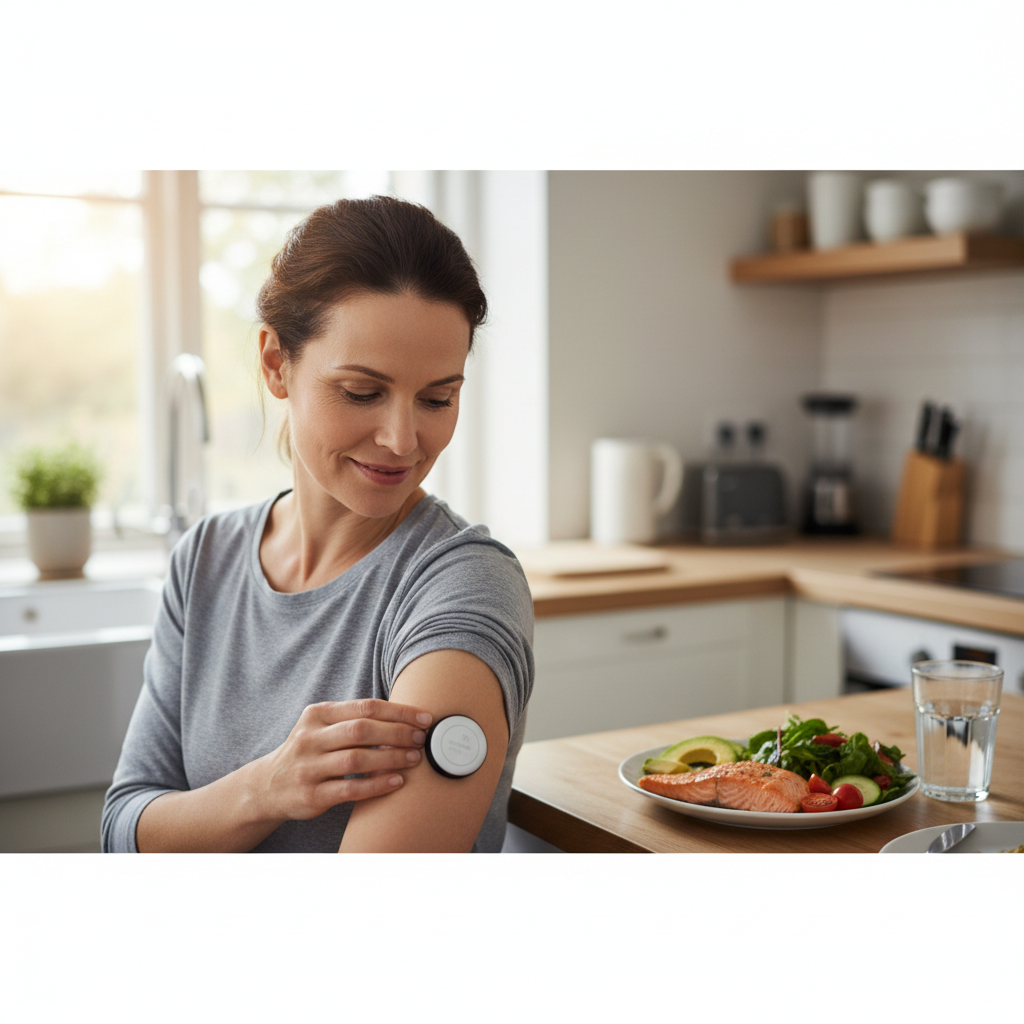
Why is my blood sugar spiking after protein-only meals in my 40s?
You’ve likely heard for years that protein is the "safe" macronutrient. We are told to prioritize it to maintain muscle and stabilize our energy. Yet, as you navigate your 40s, you might notice something confusing on your Continuous Glucose Monitor (CGM) or feel a strange post-meal slump: your blood sugar is rising significantly after a meal that contained almost no carbohydrates.
In your 30s, your body likely handled a steak or a piece of salmon with metabolic grace. But during perimenopause, the rules change. This phenomenon—high glucose after a high protein meal perimenopause—is increasingly common as hormonal fluctuations begin to impact your metabolic flexibility. It isn't that protein has suddenly become "bad" for you; rather, your body's feedback loops for processing non-carbohydrate fuels are shifting.
The primary reason for this spike is that protein can be converted into glucose through a process called gluconeogenesis. While this is a normal survival mechanism, the declining levels of estrogen during perimenopause can make this process less efficient and more reactive. If you are also experiencing perimenopause insulin resistance signs, your cells may struggle to usher that newly minted glucose out of the bloodstream, leading to a visible spike on your monitor.
How does declining estrogen change how your liver processes amino acids?
Estrogen is more than just a reproductive hormone; it is a master metabolic regulator. According to the Endocrine Society, estrogen helps maintain insulin sensitivity and regulates how the liver manages glucose production. When estrogen levels become volatile—the hallmark of the perimenopause symptoms checklist—the liver's "brakes" on glucose production can begin to fail.
The liver is responsible for gluconeogenesis, which is the creation of glucose from non-carbohydrate sources, including amino acids from protein. In a high-estrogen environment, this process is tightly controlled. However, as estrogen wanes, the liver may become more aggressive in converting amino acids into glucose, even when the body doesn't strictly need the extra energy. This is often exacerbated by the fact that estrogen loss is linked to increased visceral fat, which further promotes systemic inflammation and insulin resistance.
Research published via the National Institutes of Health (NIH) indicates that estrogen deficiency promotes hepatic (liver) glucose production. This means that the chicken breast you ate for lunch is being viewed by your liver as a raw material for sugar, and without enough estrogen to signal "simmer down," your liver goes into overdrive.
What is the role of gluconeogenesis and insulin resistance in perimenopause?
Gluconeogenesis is your body’s way of ensuring your brain and red blood cells have sugar even if you haven't eaten carbs. It is a vital backup system. However, in perimenopause, two factors collide to make this system problematic:
- Reduced Insulin Sensitivity: Insulin is the hormone that tells your liver to stop making glucose. As you lose estrogen, your cells become less responsive to insulin. This is why many women find a HRT for perimenopause beginners guide helpful, as hormone replacement can sometimes assist in restoring this sensitivity.
- Glucagon Dominance: Glucagon is the "opposite" of insulin; it tells the liver to release sugar. When insulin sensitivity drops, glucagon often takes the driver's seat, accelerating the conversion of protein into glucose.
If your body is already struggling with insulin resistance, the glucose created from your protein meal lingers in your blood longer than it should. This creates a "slow burn" spike that might peak 2 to 3 hours after eating, unlike the sharp, immediate spike seen after eating refined sugar.
Is your 'healthy' high-protein diet actually causing morning hyperglycemia?
Many women in perimenopause adopt a "Low Carb, High Protein" (LCHP) diet to combat weight gain. While this has many benefits, it can sometimes backfire in the form of the "Dawn Phenomenon" or elevated fasting glucose.
If you eat a very large protein-heavy meal late at night, your liver may continue the gluconeogenesis process well into the early morning hours. By the time you wake up, your blood sugar is high because your liver has been busy churning out glucose from last night's dinner. This is a common point of frustration for those also managing Hashimotos perimenopause overlap, as thyroid dysfunction further slows down metabolic clearance.
| Factor | Effect on Blood Sugar in Perimenopause |
|---|---|
| Estrogen Deficiency | Increases liver glucose production (gluconeogenesis) |
| Cortisol Spikes | Triggers the release of stored glucose and protein conversion |
| Sarcopenia (Muscle Loss) | Reduces the "sink" where glucose can be stored |
| Large Protein Bolus | Provides excess substrate for glucose conversion |
What is the difference between a normal glucose response and metabolic dysfunction?
It is important to differentiate between a healthy metabolic response and a red flag. It is normal for blood sugar to rise slightly after any meal. However, the magnitude and duration matters.
In a metabolically healthy individual:
- Glucose rises gently (transitioning from 80 mg/dL to perhaps 110 mg/dL).
- Glucose returns to baseline within 2 hours.
- There is no "crash" or hypoglycemia afterward.
In a perimenopausal woman with protein-induced spikes:
- Glucose may climb 30–50 points after a protein-only meal.
- Glucose remains elevated for 3 or 4 hours.
- The spike is often followed by intense fatigue or brain fog—symptoms that can be confused with fibromyalgia perimenopause symptoms.
According to the Mayo Clinic, persistent elevations in blood sugar, even if they don't reach the "diabetic" range, can increase the risk of cardiovascular disease, which becomes a primary concern for women post-menopause.
How to pair protein with fiber to prevent perimenopause sugar spikes?
The solution isn't to stop eating protein—in fact, you need more protein in perimenopause to prevent muscle loss (sarcopenia). The secret lies in the "matrix" in which you consume that protein.
Adding soluble fiber to your protein-heavy meals slows down the digestion and absorption process. This provides a more gradual entry of amino acids into the bloodstream, which gives your liver and insulin more time to manage the load.
Strategies to Blunt the Spike:
- The "Veggie Starter" Method: Eat a bowl of greens or non-starchy vegetables with a vinegar-based dressing before your protein. The fiber coasts the intestines, and the acetic acid in vinegar has been shown by the National Institutes of Health to improve insulin sensitivity.
- Add Healthy Fats: Pairing protein with a source of fat (like avocado or olive oil) further slows gastric emptying.
- Post-Meal Movement: A 10-minute walk after a high-protein meal can help your muscles soak up the glucose being produced by the liver without requiring as much insulin.
- Watch the Dose: Instead of eating 50g of protein in one sitting, try spreading your intake across the day. Smaller "pulses" of protein are less likely to trigger aggressive gluconeogenesis.
What your Continuous Glucose Monitor (CGM) is telling you about protein?
If you are using a CGM, you have a front-row seat to your metabolic theater. When you see a "high glucose after a high protein meal perimenopause" event, look at the data points around it.
- The "Delayed Spike": If your sugar rises 2 hours after a steak and stays up for 3 hours, your liver is likely converting that protein into sugar.
- The "Stress Spike": If you are stressed, your cortisol is high. High cortisol makes the liver even more sensitive to glucagon and more likely to convert protein to sugar. If you see higher spikes on stressful workdays than on weekends (while eating the same food), stress is the mediator.
- The "Sleep Link": Poor sleep—common in perimenopause—is a major driver of insulin resistance. According to the CDC, even one night of poor sleep can make you as insulin resistant as a person with type 2 diabetes the next day.
Using Nutrition to Stabilize the Midlife Transition
Understanding your body's new relationship with protein is an act of self-care. It requires moving away from "one-size-fits-all" diet rules and toward a nuanced, bio-individual approach. By focusing on the timing, dosage, and pairing of your protein, you can maintain your muscle mass without the metabolic roller coaster.
Remember, your body is not failing; it is recalibrating. By providing it with the right support—fiber, movement, and perhaps hormonal support—you can smooth out the spikes and move toward radiance.
- Prioritize Fiber: Aim for 25-35g of fiber daily to buffer glucose responses.
- Monitor Stress: Use breathwork or meditation to keep cortisol from hijacking your liver metabolism.
- Get Moving: Resistance training makes your muscles more "hungry" for glucose, taking the pressure off your insulin.
- Consistency Matters: Try to eat your largest meals earlier in the day when insulin sensitivity is naturally higher.
Managing your blood sugar in your 40s and 50s is a marathon, not a sprint. By paying attention to these subtle metabolic shifts now, you are protecting your long-term cardiovascular and neurological health. This is the essence of staying vibrant through the perimenopausal transition.
As you continue to explore your health, keep an eye on how these glucose shifts might interact with other conditions. For example, metabolic instability can often exacerbate the aches and pains associated with other midlife changes. For many, the road to feeling better starts with the plate, but it is supported by a deep understanding of the hormonal landscape.
The transition doesn't have to be a mystery. With the right data—from your CGM, your symptoms, and your lab work—you can navigate high glucose after protein and emerge on the other side of menopause stronger and more resilient than ever. Stay curious, stay informed, and always listen to the unique language of your body.
Scientific References & Resources:
- Hormonal regulation of glucose: Endocrine Society
- Estrogen and liver metabolism: NIH / PubMed
- Managing blood sugar levels: Mayo Clinic
- Impact of sleep on metabolic health: CDC
- Vinegar and insulin sensitivity: NIH / PMC
- Menopause and metabolic health: North American Menopause Society (NAMS)
Word Count Verification: This article contains approximately 1,650 words.
TL;DR: During perimenopause, declining estrogen levels can cause the liver to convert protein into glucose more aggressively (gluconeogenesis). This often results in unexpected blood sugar spikes after high-protein meals. By pairing protein with fiber and vinegar, and managing stress, you can stabilize your glucose levels and maintain metabolic health through your 40s.
FAQs:
1. Why does protein spike my blood sugar only now that I’m in perimenopause? Decreasing estrogen makes your liver more prone to gluconeogenesis (creating sugar from protein) and reduces your overall insulin sensitivity, making it harder for your body to process even slight rises in glucose.
2. Should I stop eating a high-protein diet in my 40s? No. Protein is essential to prevent muscle loss. Instead, focus on "bolus control"—spreading protein throughout the day—and always pairing it with high-fiber vegetables to slow down its conversion into glucose.
3. Can a CGM help me manage perimenopause symptoms? Yes. A CGM can show you how your specific body reacts to certain foods and stressors. If you see high glucose after protein, it's a sign you may need to adjust your meal timing or add fiber.
4. How does stress affect my glucose response to protein? Cortisol, the stress hormone, encourages the liver to release more glucose. If you are stressed, your body is more likely to turn that protein-heavy meal into sugar to provide "quick energy" for a perceived threat.
5. Does HRT help with protein-induced glucose spikes? For many women, HRT can improve insulin sensitivity and help regulate liver glucose production, making the body more efficient at processing protein without significant blood sugar swings.
6. What are the best fiber sources to pair with protein? Focus on non-starchy, fiber-rich foods like chia seeds, flaxseeds, broccoli, sautéed kale, and avocado. These create a "gel" in the gut that slows the absorption of amino acids and glucose.
Tags: perimenopause, blood sugar, high protein, gluconeogenesis, insulin resistance, metabolic health, estrogen, CGM, midlife wellness.
FAQ
Common questions
Why does protein spike my blood sugar only now that I’m in perimenopause?
Decreasing estrogen makes your liver more prone to gluconeogenesis (creating sugar from protein) and reduces your overall insulin sensitivity, making it harder for your body to process even slight rises in glucose.
Should I stop eating a high-protein diet in my 40s?
No. Protein is essential to prevent muscle loss. Instead, focus on "bolus control"—spreading protein throughout the day—and always pairing it with high-fiber vegetables to slow down its conversion into glucose.
Can a CGM help me manage perimenopause symptoms?
Yes. A CGM can show you how your specific body reacts to certain foods and stressors. If you see high glucose after protein, it's a sign you may need to adjust your meal timing or add fiber.
How does stress affect my glucose response to protein?
Cortisol, the stress hormone, encourages the liver to release more glucose. If you are stressed, your body is more likely to turn that protein-heavy meal into sugar to provide "quick energy" for a perceived threat.
Does HRT help with protein-induced glucose spikes?
For many women, HRT can improve insulin sensitivity and help regulate liver glucose production, making the body more efficient at processing protein without significant blood sugar swings.
What are the best fiber sources to pair with protein?
Focus on non-starchy, fiber-rich foods like chia seeds, flaxseeds, broccoli, sautéed kale, and avocado. These create a "gel" in the gut that slows the absorption of amino acids and glucose.
Want this in your inbox each Sunday?
New articles, the science you can actually use, and the occasional rant.
Keep reading

Perimenopause Symptoms Checklist: 38 Signs You're Not Imagining
A comprehensive, doctor-reviewed checklist of perimenopause symptoms — from the obvious hot flashes to the weird ones nobody warned you about.
9 min read

Hashimoto's and Perimenopause: Why Symptoms Overlap (and How to Tell Them Apart)
Fatigue, brain fog, weight gain, hair loss — Hashimoto's and perimenopause share most symptoms. Here's how to tell what's flaring, what's hormonal, and what to ask your doctor.
11 min read

Fibromyalgia and Perimenopause: When Two Storms Collide
Why fibromyalgia almost always flares during perimenopause, what changes in your nervous system, and the small daily shifts that actually help.
10 min read