
Metabolic Acidosis and Perimenopause: The Muscle Fatigue Link
Do you feel heavy-limbed and breathless? Discover the link between metabolic acidosis and perimenopause symptoms in women over 40 and how to reclaim your energy.
Published:
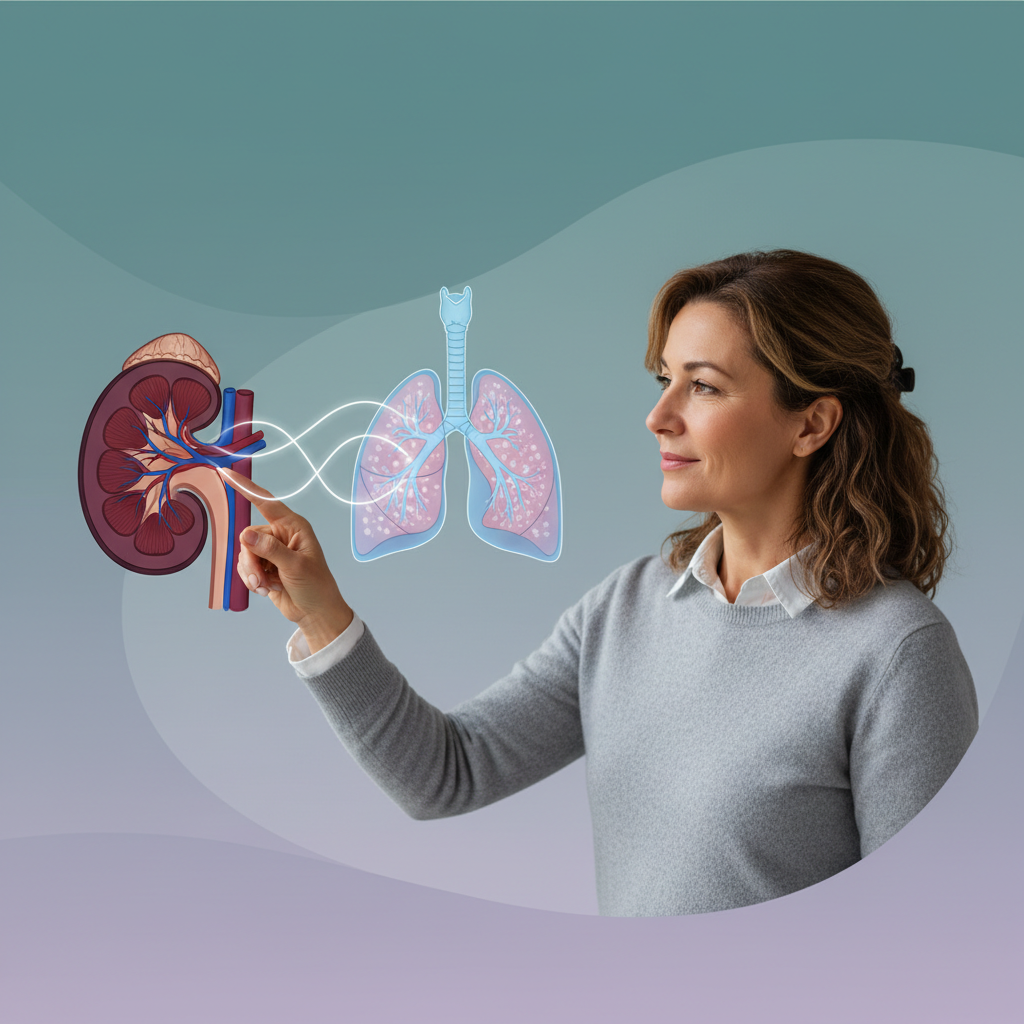
If you have reached your 40s or early 50s and suddenly feel like you are walking through waist-deep mud, you are not alone. That heavy-limbed sensation, coupled with a mysterious "air hunger" or shortness of breath, can be incredibly unsettling. While many women are familiar with hot flashes and night sweats, the deeper physiological shifts—specifically how your body manages its internal pH—remain largely undiscussed.
We are diving into the complex relationship between metabolic acidosis and perimenopause symptoms in women over 40. Understanding this link is crucial for reclaiming your energy and ensuring your body has the alkaline reserves it needs to navigate the hormonal transition with grace.
What is the link between perimenopause and low-grade metabolic acidosis?
Metabolic acidosis occurs when the body produces too much acid or when the kidneys are not removing enough acid from the body. In the context of perimenopause, we aren't usually talking about acute, life-threatening acidosis like you might see in a hospital setting. Instead, many women experience a "low-grade" or "diet-induced" metabolic acidosis that is exacerbated by hormonal decline.
As estrogen levels fluctuate and ultimately drop, the body’s homeostatic mechanisms are put to the test. Estrogen actually plays a protective role in maintaining the body’s acid-base balance. When this protection wanes, your blood pH can shift slightly toward the acidic end of the narrow physiological range. Even a tiny shift can trigger a cascade of symptoms, ranging from bone density loss to the profound muscle fatigue that defines many women's experience of this transition.
This shift is often subtle enough that standard labs might fall within "normal" ranges, yet the cellular impact is significant. This is one reason why many women find their perimenopause symptoms checklist growing longer each month, as the body struggles to buffer these internal changes.
Why do your muscles feel heavy and weak during the perimenopause transition?
Have you ever finished a workout—or even just a walk up the stairs—and felt like your muscles were burning far more than they should? This is the hallmark of metabolic acidosis and perimenopause symptoms in women over 40.
When your system is slightly acidic, your muscles become the primary "buffer" or the site of metabolic struggle. Acidity inhibits the enzyme phosphofructokinase, which is essential for glycolysis (the process of turning glucose into energy). When this enzyme is slowed, your muscles cannot produce ATP (energy) efficiently. The result? A feeling of profound heaviness, weakness, and slow recovery times.
Furthermore, a slightly acidic environment promotes the breakdown of muscle protein to release glutamine, which the kidneys use to produce ammonia to neutralize acid. This means your body may literally be breaking down its own muscle tissue to manage its pH levels. This contributes to sarcopenia (age-related muscle loss), which is already a concern during the menopause transition. If you are also dealing with fibromyalgia perimenopause symptoms, the muscle pain and fatigue can feel compounded, making daily movement a monumental task.
Can hormonal shifts affect your body’s pH balance and cause chronic fatigue?
Yes, the endocrine system and the acid-base regulatory system are deeply intertwined. Estrogen and progesterone influence how the kidneys handle bicarbonate and how the lungs regulate carbon dioxide (CO2).
According to research published by the National Institutes of Health (NIH), hormonal fluctuations directly impact renal function and acid excretion. Progesterone, for instance, is a natural respiratory stimulant. As progesterone levels drop in perimenopause, your "respiratory drive" may change, leading to subtle changes in CO2 levels in the blood. Since CO2 is a primary acidic component regulated by the lungs, any change in breathing patterns can shift your pH.
This internal "tug-of-war" for balance is exhausting. Your body is working overtime 24/7 just to keep your blood pH within the strict range of 7.35 to 7.45. This constant metabolic "overwork" manifests as the soul-crushing chronic fatigue many women over 40 describe. It’s not just "in your head"—it is a literal energy drain at the cellular level.
How does estrogen loss impact the way your kidneys handle acid-base balance?
The kidneys are the maestros of the acid-base orchestra. They reclaim bicarbonate (a buffer) from urine and excrete hydrogen ions (acid). Estrogen receptors are present throughout the renal system, and estrogen has been shown to enhance the kidneys' ability to handle an acid load.
As estrogen declines, the kidneys may become less efficient at this buffering process. This is particularly problematic because, at the same time, the transition into menopause is often accompanied by an increase in perimenopause insulin resistance signs. Insulin resistance itself can impair renal acid excretion, creating a perfect storm for low-grade metabolic acidosis.
When the kidneys cannot keep up, the body looks elsewhere for buffers. It turns to the skeleton, leaching calcium and magnesium from the bones to neutralize the acid. This not only leads to muscle fatigue but is a primary driver of osteoporosis, a major concern for women post-menopause.
| Factor | Impact on Acid-Base Balance | Resulting Symptom |
|---|---|---|
| Estrogen Decline | Reduced renal bicarbonate reabsorption | General fatigue & bone loss |
| Progesterone Drop | Lowered respiratory drive | "Air hunger" & shortness of breath |
| Insulin Resistance | Impaired ammonium excretion in kidneys | Muscle heaviness & slow recovery |
| Cortisol Spikes | Increased metabolic acid production | Anxiety & decreased "alkaline reserve" |
Is your perimenopause 'air hunger' actually a sign of metabolic acid compensation?
One of the most frightening symptoms women report over 40 is "dyspnea" or air hunger—the feeling that you can't take a deep enough breath, despite your lungs being clear. While this should always be evaluated by a doctor, it is frequently a sign of "respiratory compensation."
In the hierarchy of survival, the body prioritizes pH balance above almost everything else. If the blood becomes too acidic (metabolic acidosis), the brain signals the lungs to breathe faster or deeper to "blow off" carbon dioxide. CO2 is acidic; by exhaling more of it, you bring your blood pH back toward an alkaline state.
This "sighing breath" or constant need to yawn to get a full breath is your body’s attempt to fix its pH. It is a sign that your metabolic load is currently higher than your buffering capacity. This is also why many women find relief through HRT for perimenopause, as stabilizing hormones can help recalibrate the respiratory and renal systems.
What foods and minerals help restore alkalinity during the hormonal shift?
While the body is naturally equipped to handle acid, we can support it by reducing the "Potential Renal Acid Load" (PRAL) of our diet and ensuring we have enough mineral buffers.
- Increase Potassium-Rich Foods: Potassium (found in leafy greens, avocados, and sweet potatoes) is the primary intracellular cation that helps maintain alkaline status.
- Focus on Magnesium: Magnesium is a powerhouse mineral for perimenopause. It helps with muscle relaxation, sleep, and acts as a crucial buffer. The Mayo Clinic notes its role in over 300 biochemical reactions, including energy production.
- Hydrate with Electrolytes: Drinking plain water is often not enough. Adding a pinch of mineral salt or an electrolyte powder can help provide the bicarbonate precursors the kidneys need.
- Reduce High-PRAL Foods: While protein is essential for muscle, excessive amounts of processed meats and refined grains can increase the acid load on the kidneys. Balance your proteins with plenty of alkalizing vegetables.
- Monitor Your Stress: Cortisol is an acidifying hormone. When you are chronically stressed, your metabolic acid load increases. Practices like yoga or deep breathing are not just for relaxation; they are metabolic interventions.
If you find that dietary changes aren't enough, it may be worth investigating other underlying causes of fatigue, such as the Hashimotos perimenopause overlap, which can also impact metabolism and energy levels.
When should you see a doctor for unexplained shortness of breath and muscle fatigue?
While low-grade metabolic acidosis is common, you should never self-diagnose when it comes to heart and lung health. It is vital to differentiate between perimenopausal shifts and more serious underlying conditions.
You should seek medical attention if:
- Your shortness of breath is sudden, severe, or occurs at rest.
- You experience chest pain, pressure, or palpitations along with the fatigue.
- You have significant swelling in your legs (edema).
- Your muscle fatigue is accompanied by dark-colored urine or severe pain.
- You have a history of kidney disease or diabetes.
According to the Cleveland Clinic, physicians can diagnose metabolic acidosis through a simple blood test called an Arterial Blood Gas (ABG) or a Basic Metabolic Panel (BMP) to check your bicarbonate levels. If your bicarbonate (CO2 on most labs) is consistently at the low end of the range (usually 22-23 mEq/L or lower), it may indicate that your body is struggling to maintain its alkaline reserve.
Restoring your metabolic health during perimenopause is a journey of listening to these subtle signals. By supporting your kidneys, lungs, and mineral status, you can lift the "heavy veil" of muscle fatigue and breathe easier through the second half of life.
Scientific References & Resources:
- Renal Acid Excretion and Hormones: NCBI/NIH - Impact of Estrogen on Renal Function
- Magnesium and Metabolism: Mayo Clinic - Magnesium Supplements
- Understanding Acidosis: Cleveland Clinic - Metabolic Acidosis Overview
- Respiratory Drive and Progesterone: University of Rochester Medical Center - Progesterone and Breathing
- Bone Health and Acid Balance: NICE Guidelines - Menopause Diagnosis and Management
- ACOG on Menopausal Symptoms: American College of Obstetricians and Gynecologists - Managing Menopause Springboard for HRT and symptom management.
FAQ
Common questions
How are metabolic acidosis and perimenopause symptoms in women over 40 linked?
Low-grade metabolic acidosis in perimenopause happens when declining estrogen and progesterone levels impair the kidneys' ability to buffer acid and change the respiratory drive, leading to an acidic shift in the body's pH.
What are the symptoms of low-grade metabolic acidosis?
Common signs include persistent muscle fatigue, a heavy feeling in the arms and legs, 'air hunger' (shortness of breath), slow recovery after exercise, and a general sense of chronic exhaustion.
Can perimenopause cause shortness of breath?
Yes. When the blood becomes slightly too acidic, the body signals the lungs to breathe deeper or faster to 'blow off' CO2 (an acid) to restore pH balance. This manifests as air hunger or feeling breathless.
Why do my muscles feel heavy during the menopause transition?
Acidity inhibits energy production in the muscles and can cause the body to break down muscle protein to create neutralizing buffers, leading to weakness and a heavy sensation.
What is the best way to restore alkaline balance?
Focus on a diet high in potassium and magnesium (leafy greens, avocados, minerals), stay hydrated with electrolytes, and reduce the consumption of highly processed, acid-forming foods.
Can a doctor test for metabolic acidosis?
Standard blood tests like a Basic Metabolic Panel (BMP) check your bicarbonate levels. If your CO2/bicarbonate is at the lower end of the normal range, it may suggest your body is struggling to buffer acid.
Want this in your inbox each Sunday?
New articles, the science you can actually use, and the occasional rant.
Keep reading

Perimenopause Symptoms Checklist: 38 Signs You're Not Imagining
A comprehensive, doctor-reviewed checklist of perimenopause symptoms — from the obvious hot flashes to the weird ones nobody warned you about.
9 min read

Hashimoto's and Perimenopause: Why Symptoms Overlap (and How to Tell Them Apart)
Fatigue, brain fog, weight gain, hair loss — Hashimoto's and perimenopause share most symptoms. Here's how to tell what's flaring, what's hormonal, and what to ask your doctor.
11 min read

Fibromyalgia and Perimenopause: When Two Storms Collide
Why fibromyalgia almost always flares during perimenopause, what changes in your nervous system, and the small daily shifts that actually help.
10 min read