
Progesterone Cream vs. Pill: Which is Better for Anxiety?
Deciding between progesterone cream vs oral micronized progesterone for anxiety? Learn how GABA receptors, allopregnanolone, and liver metabolism affect your calm.
Published:
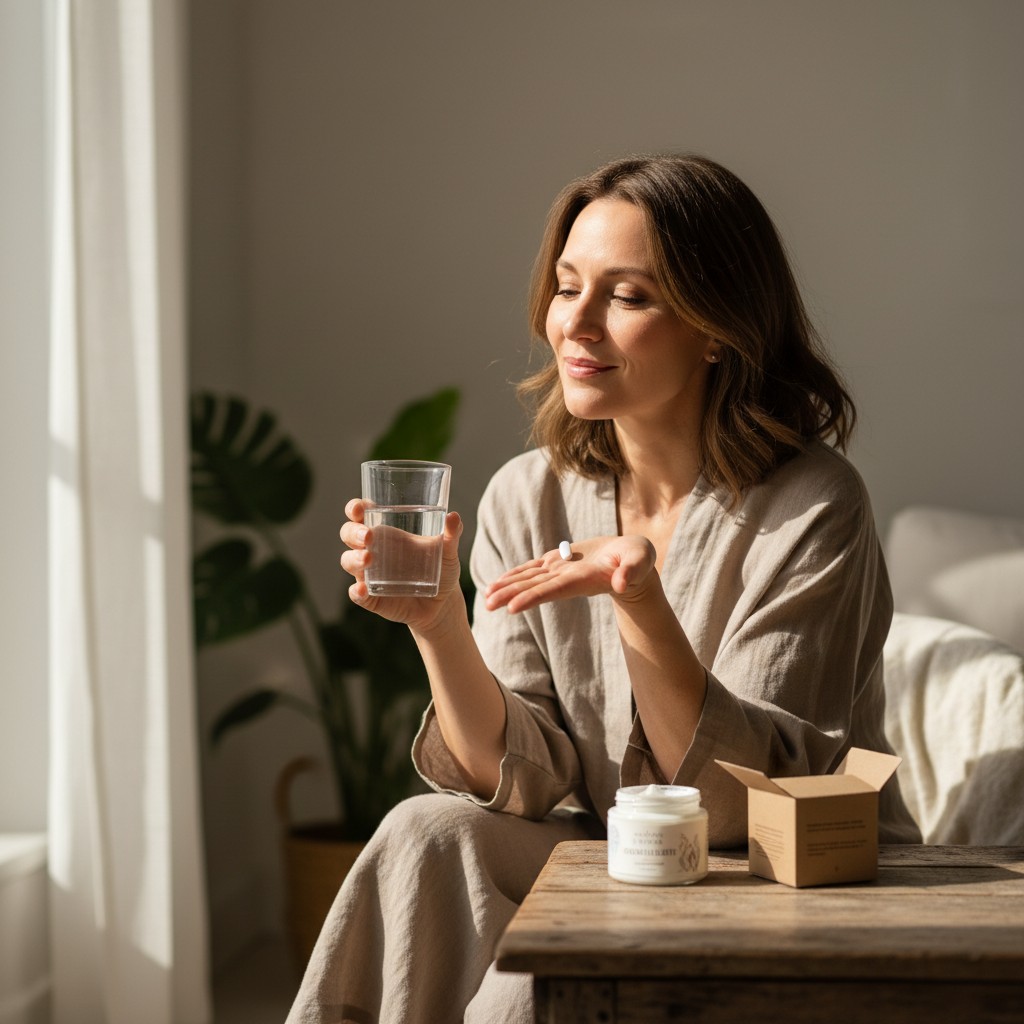
You are lying in bed at 3:00 AM, your mind racing through a checklist of tomorrow’s chores, yesterday’s awkward conversations, and an inexplicable sense of impending doom. If you are in the throes of perimenopause, this isn't just "stress"—it is often the result of plummeting progesterone levels.
Progesterone is frequently referred to as "nature’s Valium." When it drops, your brain loses its primary chemical buffer against anxiety. As you search for relief, you will likely encounter two main contenders: topical creams and oral micronized pills. Choosing between progesterone cream vs oral micronized progesterone for anxiety isn't just about convenience; it is about how your body metabolizes these hormones to reach your brain.
How does progesterone affect the GABA receptors in the brain?
To understand why progesterone is so vital for your mental health, we have to look at its relationship with Gamma-Aminobutyric Acid (GABA). GABA is the primary inhibitory neurotransmitter in the central nervous system. Its job is to slow down nerve activity, helping you feel calm and relaxed.
When you take progesterone, your body metabolizes it into neurosteroids, most notably allopregnanolone. According to the National Institutes of Health (NIH), allopregnanolone acts as a potent positive allosteric modulator of GABA-A receptors. In simpler terms, it makes your GABA receptors more sensitive, allowing your brain’s natural "brakes" to work more effectively.
During perimenopause, as progesterone levels fluctuate wildly, your GABA receptors can become "uncoupled" or less responsive. This often leads to the spike in "inner jitteriness" noted in our perimenopause symptoms checklist. Without sufficient allopregnanolone, your brain remains in a state of high alert, contributing to the hallmark anxiety and insomnia of the transition.
Why do some women prefer topical cream for localized relief?
Topical progesterone cream is often the first stop for women seeking a "gentle" approach to hormone replacement. It is available both over-the-counter (in lower doses) and via prescription (compounded).
The primary draw of the cream is that it bypasses "first-pass metabolism" in the liver. When you apply a cream to thin-skinned areas like the inner arms or neck, the progesterone is absorbed into the fat layer and then slowly released into the bloodstream.
Women often prefer the cream for:
- Targeted dosing: You can easily adjust the amount used by using a smaller or larger dollop.
- Reduced liver load: Because it doesn't go through the digestive tract first, it puts less strain on the liver.
- Fewer systemic side effects: Some women find that oral pills make them feel too groggy or "hungover" the next day; creams provide a more subtle rise in levels.
However, for anxiety, the cream has a significant drawback. Because it bypasses the liver, it produces much lower levels of the calming metabolite allopregnanolone. If your primary goal is to stop a racing mind, the cream may feel insufficient compared to its oral counterpart.
Does oral micronized progesterone work better for systemic anxiety?
If you are struggling with systemic, deep-seated anxiety and chronic insomnia, oral micronized progesterone (often sold under the brand name Prometrium) is generally considered the gold standard.
Unlike synthetic progestins used in birth control, micronized progesterone is bioidentical—meaning its molecular structure is identical to what your ovaries once produced. The "micronized" part refers to the hormone being ground into tiny particles to improve absorption in the gut.
The Mayo Clinic notes that oral progesterone is highly effective for treating vasomotor symptoms and supporting sleep. When you swallow the pill, it travels to the liver, where it is converted into high concentrations of allopregnanolone. This "flood" of neurosteroids crosses the blood-brain barrier, providing a sedative effect that many women describe as a "warm blanket" for the brain.
For women managing complex conditions like fibromyalgia perimenopause symptoms, where central nervous system sensitization is a factor, the systemic calming effect of oral progesterone can be life-changing.
What are the absorption differences between the skin and the gut?
The debate between progesterone cream vs oral micronized progesterone for anxiety often comes down to pharmacokinetics—how the drug moves through your body.
| Feature | Progesterone Cream (Topical) | Oral Micronized Progesterone |
|---|---|---|
| Metabolism | Bypasses the liver (minimal metabolites) | Processed by the liver (high metabolites) |
| GABA Impact | Mild to moderate | Strong (via allopregnanolone) |
| Sleep Support | Low to moderate | High |
| Uterine Protection | Often inconsistent for lining protection | Gold standard for protecting the uterus |
| Bioavailability | High in tissues, lower in serum tests | Variable, but creates high neurosteroid levels |
When you use a cream, the progesterone levels in your blood might appear low on a standard lab test, even if your tissues are absorbing it. Conversely, oral progesterone creates a predictable spike in metabolites that directly interact with the brain. If you are new to hormone therapy, checking out our HRT for perimenopause beginners guide can help you understand how these delivery methods fit into a broader plan.
Can you use both cream and pills for better symptom control?
In some clinical scenarios, a "hybrid" approach is used, though it requires careful monitoring by a healthcare provider. Some women find that a baseline dose of oral micronized progesterone at night helps them sleep, while a small amount of cream used during the day helps manage "breakthrough" anxiety or breast tenderness.
However, there is a risk of "receptor down-regulation" if progesterone levels are kept constantly high without a break. Progesterone is also a precursor to other hormones. In women dealing with perimenopause insulin resistance signs, excessive progesterone can sometimes interfere with glucose metabolism if not balanced correctly with estrogen.
Always consult a practitioner before mixing methods. The goal is to find the "Goldilocks zone"—enough to calm the nervous system without causing lethargy or bloating.
What are the side effects of each delivery method for mood?
While progesterone is the "calming" hormone, it isn't without side effects. Ironically, for a small percentage of women, progesterone can actually cause anxiety or depression. This is often due to a paradoxical reaction at the GABA receptor or a sensitivity to allopregnanolone.
Side Effects of Oral Progesterone:
- Extreme Drowsiness: Often managed by taking it right before bed.
- Dizziness: Can occur shortly after ingestion.
- "Morning Hangover": A feeling of grogginess that persists into the next day.
- Mood Dips: Some women report feeling "flat" or mildly depressed.
Side Effects of Progesterone Cream:
- Skin Irritation: Rashes or itching at the application site.
- Inconsistent Absorption: Changes in skin temperature or fat content can affect how much gets in.
- Hormonal Imbalance: Because it stays in the fat tissues, it can lead to "progesterone dominance" symptoms like fatigue and weight gain if overused.
For those with autoimmune complications, such as the Hashimotos perimenopause overlap, monitoring mood changes is crucial, as thyroid fluctuations can mimic or exacerbate progesterone-related side effects.
How to determine your ideal progesterone dose for calming the mind.
Finding your ideal dose is a process of "titration"—starting low and slow.
- Test, Don't Guess: While day-to-day fluctuations make testing tricky, a baseline of your progesterone levels during the luteal phase (if you are still cycling) can be helpful. The Endocrine Society emphasizes the importance of individualized care in hormone therapy.
- Start with the "Sleep Test": If you choose oral micronized progesterone, the standard starting dose is often 100mg. If you wake up feeling refreshed and calm, the dose is likely correct. If you feel drugged the next day, it may be too high.
- Track the "Anxiety Spikes": Keep a journal of your anxiety. Does it peak during the week before your period? This is when progesterone is naturally supposed to be highest. If your anxiety vanishes with a 20mg dose of cream, you may not need the systemic oral version.
- Evaluate Uterine Protection: If you are taking estrogen, you must take a sufficient dose of progesterone to protect the uterine lining. The North American Menopause Society (NAMS) notes that topical creams are often not researched enough to guarantee protection against endometrial cancer when estrogen is present.
Ultimately, the choice between progesterone cream and the pill depends on the severity of your anxiety. If you are dealing with mild irritability and PMS, a cream may suffice. If you are struggling with debilitating insomnia and panic attacks, oral micronized progesterone offers the metabolic punch your GABA receptors are screaming for.
Whatever path you choose, remember that your hormones are part of a complex ecosystem. Addressing lifestyle factors, blood sugar, and thyroid health alongside your progesterone levels is the fastest way to return to a state of radiance.
Final Thoughts on Progesterone Delivery
When comparing progesterone cream vs oral micronized progesterone for anxiety, the science leans heavily toward the oral route for brain-based benefits. By utilizing the liver's ability to create allopregnanolone, you bypass the limitations of skin absorption and speak directly to your brain's calming centers. However, your unique biology—how your liver processes hormones and how your skin absorbs them—will always be the final authority. Listen to your body, track your symptoms, and work closely with a hormone-literate provider to find your perfect balance.
References & Authority Sources:
FAQ
Common questions
Is oral progesterone or cream better for sleep and anxiety?
Oral micronized progesterone is generally more effective for severe anxiety and insomnia because the liver converts it into allopregnanolone, a neurosteroid that directly calms the brain's GABA receptors.
Can progesterone help with panic attacks during perimenopause?
Yes, many women find that bioidentical progesterone (especially oral) significantly reduces panic attacks and racing thoughts by acting as a natural sedative for the nervous system.
Why does progesterone cream make me feel more anxious?
While generally calming, a small percentage of women experience a paradoxical reaction where progesterone increases anxiety. This is often due to how their specific GABA receptors respond to allopregnanolone.
What is the main difference in absorption between cream and pills?
Progesterone cream is absorbed through the skin and enters the bloodstream directly, while oral progesterone is swallowed and processed by the liver, creating more calming metabolites.
What is the typical dose of oral progesterone for anxiety?
The standard starting dose for oral micronized progesterone is 100mg to 200mg daily, usually taken at bedtime to utilize its sedative effects.
Is progesterone cream safe for long-term use?
While cream can help with mild mood swings, many experts warn that it may not be absorbed consistently enough to protect the uterine lining if you are also taking estrogen therapy.
Want this in your inbox each Sunday?
New articles, the science you can actually use, and the occasional rant.
Keep reading

Perimenopause Symptoms Checklist: 38 Signs You're Not Imagining
A comprehensive, doctor-reviewed checklist of perimenopause symptoms — from the obvious hot flashes to the weird ones nobody warned you about.
9 min read

Hashimoto's and Perimenopause: Why Symptoms Overlap (and How to Tell Them Apart)
Fatigue, brain fog, weight gain, hair loss — Hashimoto's and perimenopause share most symptoms. Here's how to tell what's flaring, what's hormonal, and what to ask your doctor.
11 min read

Fibromyalgia and Perimenopause: When Two Storms Collide
Why fibromyalgia almost always flares during perimenopause, what changes in your nervous system, and the small daily shifts that actually help.
10 min read