
Progesterone Cream vs. Pill: Which is Better for Sleep?
Compare progesterone cream vs oral micronized progesterone for sleep. Learn about absorption, GABA receptors, and which form is best for perimenopause insomnia.
Published:
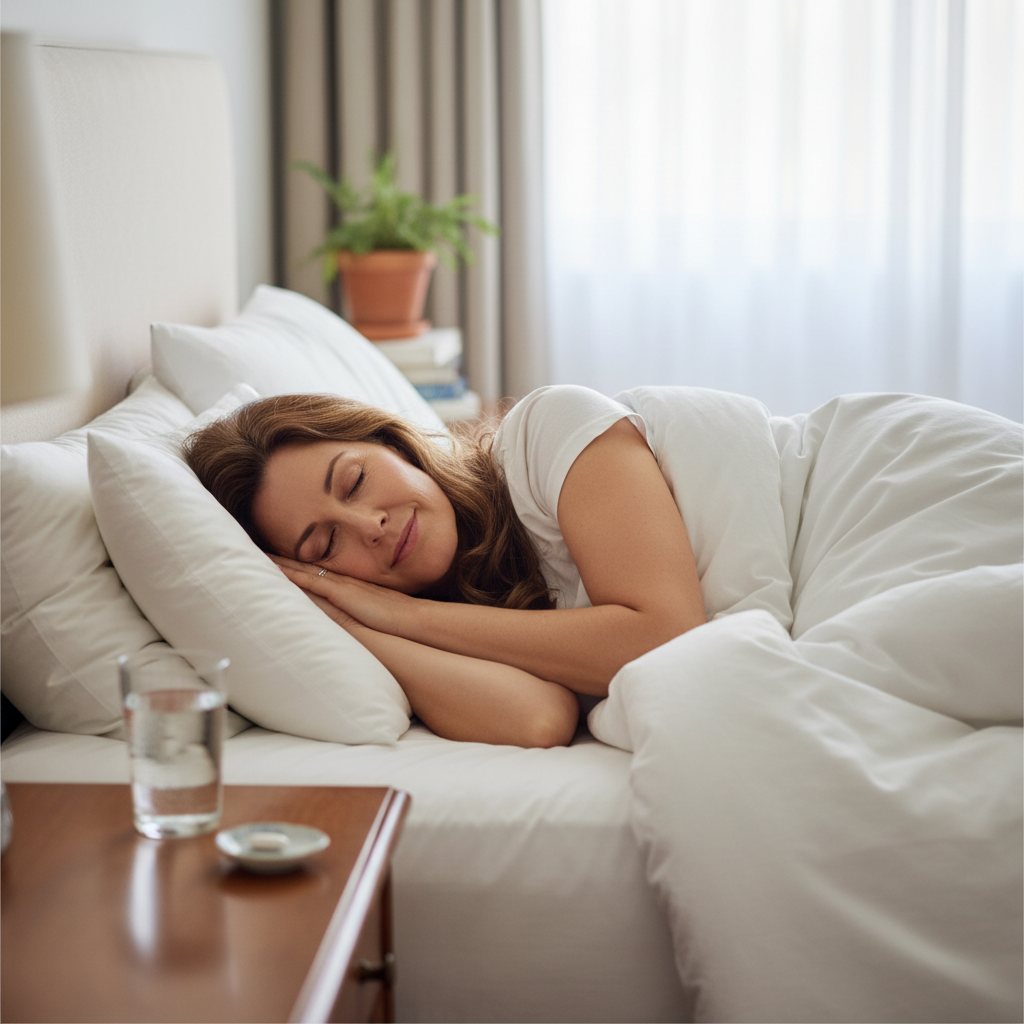
If you have spent the last few nights staring at the ceiling, wondering why your brain won't turn off despite being exhausted, you are likely feeling the effects of declining progesterone. For many women in their 40s and 50s, sleep disturbances are the first and most frustrating sign of the hormonal shift. As you search for relief, you will inevitably face a decision: progesterone cream vs oral micronized progesterone for sleep.
While progesterone in any form is often called "nature's Valium," the delivery method—whether you swallow a pill or rub a cream into your skin—makes a profound difference in how your brain responds. If your primary goal is restorative, uninterrupted sleep, the science overwhelmingly points in one direction, and it involves how your liver processes these hormones.
Is progesterone cream as effective as the pill for sleep?
When we look at the clinical data, oral micronized progesterone (often sold under the brand name Prometrium) consistently outperforms topical creams for one specific reason: metabolites. When you swallow a progesterone capsule, it passes through your digestive system and undergoes "first-pass metabolism" in the liver.
During this process, the liver converts a significant portion of the progesterone into neurosteroids, specifically allopregnanolone. According to research indexed by the National Institutes of Health (NIH), allopregnanolone acts as a potent modulator of GABA-A receptors in the brain. This is the same receptor targeted by benzodiazepines and sleep aids, but progesterone does it in a much more physiological, gentle way.
In contrast, progesterone cream is absorbed directly into the local tissue and bloodstream, bypassing the liver initially. While this can help with symptoms like breast tenderness or light spotting, it results in much lower levels of allopregnanolone reaching the brain. For most women, the cream provides a subtle "calm," but it rarely provides the "sedative" switch needed to stop 3 AM wakefulness. If you are tracking your journey using a perimenopause symptoms checklist, you may find that while cream helps some symptoms, the "sleep" box remains unchecked.
What are the absorption issues with topical progesterone?
The skin is an incredibly effective barrier designed to keep things out. While "transdermal" delivery is excellent for estrogen, progesterone is a large, fat-soluble molecule that presents unique challenges for topical application.
- Sequestration in Fat: Progesterone has a high affinity for fat cells. When applied as a cream, much of the hormone can get stuck in the subcutaneous fat layer rather than moving into the systemic circulation.
- Variable Serum Levels: Studies cited by the North American Menopause Society (NAMS) have shown that while skin levels of progesterone might appear high, blood serum levels often remain low and inconsistent.
- Endometrial Protection: This is perhaps the most critical issue. If you are taking estrogen and use progesterone to protect your uterus, the Mayo Clinic and other major medical bodies warn that creams may not provide enough progesterone to the uterine lining to prevent overgrowth or cancer.
If you are just starting your journey and investigating an HRT for perimenopause beginners guide, it is vital to understand that "bioidentical" does not always mean "effective" if the delivery system is inadequate for your specific symptom profile.
How do oral Prometrium and compounded creams differ?
The debate often centers on "standardized" vs. "compounded" formulations. Oral micronized progesterone (Prometrium) is FDA-approved and rigorously tested for consistency. Each 100mg or 200mg capsule contains exactly what it says on the label, suspended in oil (usually peanut or sunflower oil) to enhance absorption.
Compounded creams are mixed by pharmacists. While they offer the ability to customize dosages, they lack the same level of over-sight regarding stability and absorption rates. For women dealing with complex conditions like Hashimoto’s and perimenopause overlap, having a stable, predictable dose of hormone is essential to avoid triggering further inflammation or autoimmune flares.
| Feature | Oral Micronized Progesterone (Pill) | Topical Progesterone (Cream) |
|---|---|---|
| Primary Benefit | Deep sleep and anxiety reduction | Mood stability and cycle regulation |
| Metabolism | High conversion to Allopregnanolone (GABA) | Low conversion to sedative metabolites |
| Uterine Safety | Proven protection during estrogen therapy | Inconsistent protection |
| Absorption | Reliable via digestive tract | Variable via skin |
| Best For | Insomnia, night sweats, daytime anxiety | Mild PMS, breast tenderness |
When is the best time of night to take progesterone?
Timing is everything. Because of the rapid conversion to sedative metabolites, oral progesterone should be taken 30 to 60 minutes before bed. It is best taken on an empty stomach or with a very light snack, as a high-fat meal can actually increase absorption to levels that might make you feel "hungover" the next morning.
Taking it too early in the evening (e.g., at dinner) may cause you to feel drowsy while you’re still trying to finish chores or spend time with family. Conversely, using progesterone cream during the day can be helpful for some women who experience "jitters," but it won't offer the overnight "anchor" that a bedtime oral dose provides.
If you are managing other chronic conditions, such as the widespread pain and fatigue found in fibromyalgia perimenopause symptoms, improving sleep quality via timed progesterone can be the single most impactful step in your treatment plan.
Can you use both cream and oral forms safely?
Generally, yes, but it is rarely necessary or recommended to "stack" them without medical supervision. If you are using oral progesterone for sleep but still feel "edgy" during the day, your doctor might adjust your oral dose rather than adding a cream.
However, some practitioners use a "timed" approach:
- Daytime: A very small amount of cream if needed for acute PMS or anxiety.
- Nighttime: 100mg–200mg of oral micronized progesterone for sleep.
Be cautious of "unopposed estrogen." If you use high doses of progesterone cream alongside estrogen, you might think you are protected, but as mentioned previously, the delivery to the uterus is the "weak link" in topical applications. Always ensure your provider is monitoring your uterine lining if you deviate from the Gold Standard of oral delivery.
Does oral progesterone actually help with anxiety and GABA?
The relationship between progesterone and the brain's neurotransmitters is one of the most exciting areas of women's health. The GABA (gamma-aminobutyric acid) system is the brain's primary inhibitory system—the "brakes" of the nervous system.
When your progesterone drops, your GABA receptors become less sensitive. This leads to the characteristic perimenopausal "wired but tired" feeling, where you feel physically exhausted but your mind is racing with intrusive thoughts. According to the Endocrine Society, progesterone's metabolites act as "allosteric modulators," essentially making your existing GABA work more effectively.
This shift helps with more than just sleep. It can mitigate the metabolic stress that contributes to perimenopause insulin resistance signs. When you are chronically sleep-deprived and anxious, your cortisol spikes, which in turn raises blood sugar and worsens insulin sensitivity. By fixing sleep through the GABA pathway, you are indirectly supporting your entire metabolic health.
Making the Choice: Progesterone Cream vs. Oral Micronized Progesterone for Sleep
If your main goal is to stop the 3 AM wake-up calls and lower your baseline anxiety, oral micronized progesterone is the superior choice. It offers:
- Consistent sedation via the liver-metabolite pathway.
- Reliable protection for your uterus if you are using estrogen.
- Improved GABA function to calm the central nervous system.
Progesterone cream remains a wonderful tool for younger women with "estrogen dominance" or those who only need a very light touch of hormone to balance their cycles. But for the woman in the thick of the menopausal transition, whose life is being disrupted by insomnia, the "first-pass" benefit of the pill is hard to beat.
Before starting any hormone regimen, it is essential to consult with a provider who understands the nuances of bioidentical hormone replacement therapy (BHRT). While progesterone is generally very safe, your individual health history—including your liver health and risk factors for certain cancers—must be considered.
Whether you choose the cream or the pill, the goal is the same: to return your body to a state of balance where sleep is a given, not a luxury. By understanding the science of how these hormones are processed, you can make an informed decision that finally helps you get the rest you deserve. Don't let another night of "brain fog" and restless legs hold you back; talk to your doctor about the GABA-supportive benefits of oral micronized progesterone today.
Summary of Key Considerations
If you are still undecided, consider these three questions:
- Is sleep your primary complaint? If yes, oral is usually better.
- Are you taking estrogen? If yes, oral is usually safer for the uterus.
- Do you have a sensitive stomach or liver issues? If yes, a high-quality, high-potency cream (or vaginal progesterone) might be an alternative discussed with your specialist.
By focusing on the delivery method that matches your symptoms, you can move from surviving the day to thriving in your midlife years. Progesterone isn't just about hormones; it's about reclaiming your peace of mind and your energy. Move forward with the knowledge that the right form of progesterone is a powerful ally in your journey toward radiance. High-quality sleep is the foundation of all health—make sure you have the right tools to build it.
FAQ
Common questions
Why does the pill work better for sleep than the cream?
Oral progesterone is converted by the liver into allopregnanolone, a neurosteroid that activates GABA receptors in the brain to promote deep sleep. Creams bypass the liver and produce much less of this sedative metabolite.
Are there side effects unique to the oral form?
Common side effects of oral progesterone include drowsiness, dizziness, and occasionally "morning grogginess" if the dose is too high or taken too late. Topical cream is less likely to cause systemic drowsiness.
Can I use progesterone cream if I am also taking estrogen?
Medical consensus from organizations like the Mayo Clinic suggests that creams may not provide consistent uterine protection against estrogen. Oral micronized progesterone is the standard for protecting the uterine lining.
What is the best time of day to take progesterone for sleep?
Take oral micronized progesterone approximately 30 to 60 minutes before bedtime on an empty stomach for the best sedative effect and to minimize next-day grogginess.
Is it true that progesterone cream doesn't absorb well?
Yes, progesterone is fat-soluble and often gets trapped in skin tissue, leading to inconsistent blood levels. This makes it difficult to ensure you are getting the therapeutic dose needed for sleep.
Which form should I choose for perimenopause?
You should consult your doctor, but oral progesterone is generally preferred for perimenopausal women experiencing significant insomnia, anxiety, and hot flashes.
Want this in your inbox each Sunday?
New articles, the science you can actually use, and the occasional rant.
Keep reading

Perimenopause Symptoms Checklist: 38 Signs You're Not Imagining
A comprehensive, doctor-reviewed checklist of perimenopause symptoms — from the obvious hot flashes to the weird ones nobody warned you about.
9 min read

Hashimoto's and Perimenopause: Why Symptoms Overlap (and How to Tell Them Apart)
Fatigue, brain fog, weight gain, hair loss — Hashimoto's and perimenopause share most symptoms. Here's how to tell what's flaring, what's hormonal, and what to ask your doctor.
11 min read

Fibromyalgia and Perimenopause: When Two Storms Collide
Why fibromyalgia almost always flares during perimenopause, what changes in your nervous system, and the small daily shifts that actually help.
10 min read