
Progesterone Pills vs. Oil: Which Is Best for 40+ Sleep?
Compare progesterone pills vs. topical oil for perimenopause sleep. Learn how oral progesterone hits GABA receptors and which method stops 3 AM wake-ups.
Published:
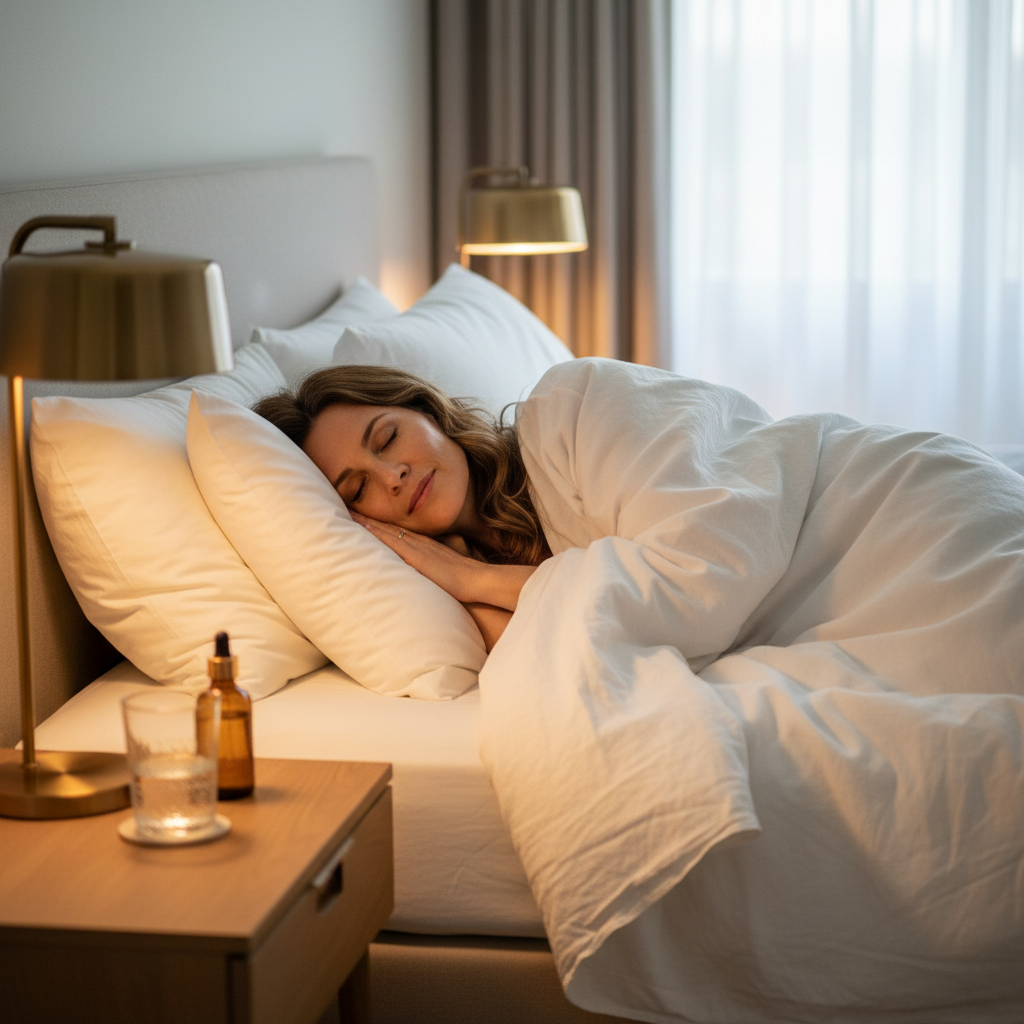
If you are over 40 and find yourself staring at the ceiling at 3:00 AM, you aren't alone. Sleep disturbances are one of the hallmark signs of the transition into menopause, often appearing years before your period actually stops. While hot flashes get all the press, the "wired but tired" feeling of perimenopause is often driven by a precipitous drop in progesterone.
When you begin researching solutions, you will likely encounter a debate: progesterone pills vs topical oil for perimenopause sleep quality. One side swears by the heavy-hitting sedative effect of oral capsules, while the other praises the steady, gentle absorption of oils. Choosing the right delivery method can be the difference between a restorative night’s sleep and another day of brain fog.
Why is progesterone so important for sleep in perimenopause?
Progesterone is often called "nature’s Valium." During your reproductive years, it is produced by the corpus luteum after ovulation. Its primary job is to prepare the uterine lining, but it has a profound secondary effect: it calms the central nervous system.
As you enter your 40s, ovulation becomes irregular. According to the Endocrine Society, progesterone is often the first hormone to decline, frequently dropping much faster than estrogen. This creates a state of "estrogen dominance," where the stimulating effects of estrogen are no longer balanced by the grounding effects of progesterone.
Without sufficient progesterone, your brain remains in a state of high alert. This is why sleep issues often appear alongside other perimenopause symptoms checklist items like increased anxiety, irritability, and palpitations. Progesterone doesn't just "make you tired"; it fundamentally changes how your brain processes stress and relaxation.
How do oral progesterone pills affect the brain's GABA receptors?
The "magic" of oral progesterone lies in its metabolism. When you swallow a progesterone capsule (micronized progesterone, such as Prometrium), it travels through the digestive tract and undergoes "first-pass metabolism" in the liver.
During this process, the liver breaks progesterone down into several metabolites, the most significant being allopregnanolone. According to research published by the National Institutes of Health (NIH), allopregnanolone is a potent neurosteroid that crosses the blood-brain barrier and binds to GABA-A receptors.
GABA (gamma-aminobutyric acid) is your brain's primary inhibitory neurotransmitter. It acts like a "brake pedal" for your nervous system. By enhancing GABA signaling, oral progesterone:
- Shortens the time it takes to fall asleep (sleep latency).
- Increases the duration of deep, slow-wave sleep.
- Reduces nighttime awakenings.
This powerful sedative effect is unique to the oral route. Because topical oils bypass first-pass metabolism, they do not produce nearly as much allopregnanolone, making them less "drug-like" in their immediate sedative impact.
What are the pros and cons of using topical progesterone oil?
Topical progesterone oil is absorbed through the skin into the fatty tissue and then slowly released into the bloodstream. For women who are sensitive to medications, this "slow and steady" approach can be preferable.
| Feature | Topical Progesterone Oil | Oral Micronized Progesterone |
|---|---|---|
| Primary Goal | General hormone balance / mood | Sleep induction / uterine protection |
| Metabolism | Bypasses the liver | First-pass liver metabolism |
| Sleep Impact | Mild relaxation; helps with anxiety | Strong sedative effect via GABA |
| Dosing Control | Easy to adjust drop-by-drop | Fixed capsule doses (usually 100-200mg) |
| Uterine Protection | Often insufficient for HRT protection | Gold standard for protecting the uterus |
Pros of Oil:
- Flexibility: You can easily titrate your dose based on symptoms.
- Lower Side Effects: Less likely to cause the "progesterone hangover" or intense dizziness some women feel with pills.
- Steady State: Provides more consistent blood levels throughout a 24-hour period rather than a massive spike and drop.
Cons of Oil:
- Inconsistent Absorption: Skin thickness and site of application can change how much you actually absorb.
- Weak Sleep Signal: It may help you feel calmer during the day, but it rarely packs the punch needed to knock out perimenopausal insomnia.
- Safety Warning: If you are taking estrogen, the North American Menopause Society (NAMS) warns that topical progesterone may not provide enough protection for the uterine lining against cancer.
Does oral progesterone cause a 'hormone hangover' in the morning?
One of the most common complaints regarding oral progesterone is the "hormone hangover"—a feeling of grogginess, lethargy, or "lead limbs" upon waking.
Because the liver creates a flood of sedating metabolites shortly after ingestion, the timing is critical. If you take your pill too late at night, the GABA-stimulating effects may still be active when your alarm goes off. According to the Mayo Clinic, sleep aids—including hormonal ones—should be timed to allow for a full 7-8 hours of rest.
To avoid the hangover:
- Take it 30-60 minutes before bed.
- Take it on an empty stomach. Food can actually increase the absorption of oral progesterone by up to 300%, which sounds good but can lead to an overwhelming dose that causes morning grogginess.
- Check your dosage. While 200mg is common for cyclic use, a steady 100mg dose is often sufficient for sleep without the morning fog.
If the hangover persists despite timing changes, it might be a sign that your liver is metabolizing the hormone too slowly, or you may be better suited for a topical delivery method.
Which form of progesterone is better for staying asleep vs. falling asleep?
Sleep architecture changes in your 40s. Many women find they can fall asleep just fine (often due to exhaustion) but wake up at 2:00 AM with a racing mind and night sweats.
- For Falling Asleep: Oral progesterone is the clear winner. The rapid rise in allopregnanolone mimics the effect of a mild sleep aid, quieting the "monkey mind" and allowing the body to transition into sleep.
- For Staying Asleep: A combination approach is often best. While the oral form helps you get to sleep, its half-life is relatively short. Topical oil, because it is absorbed into the subcutaneous fat and released slowly, can provide a "trickle" of progesterone throughout the night, which may help prevent the middle-of-the-night spikes in cortisol that lead to early waking.
For women dealing with complex health histories, such as Hashimoto’s and perimenopause overlap, sleep is even more precarious. Thyroid imbalances can cause nighttime cortisol spikes, making the steady-state delivery of an oil a valuable tool alongside oral treatment.
Can you use both topical and oral progesterone for better results?
Using both—sometimes called "dual delivery"—is becoming more popular in functional medicine circles, though it should always be supervised by a provider.
The logic is simple: use the oral capsule at night for its powerful GABA-ergic "knockout" punch, and use a small amount of topical oil in the morning or afternoon to maintain mood stability and prevent the "crash" that some women feel as the oral dose wears off.
This can be particularly helpful for those dealing with fibromyalgia and perimenopause symptoms, where pain sensitivity is heightened by poor sleep. By stabilizing progesterone levels around the clock, you may lower overall systemic inflammation and improve pain thresholds.
However, you must track your total dosage. Over-supplementing progesterone can lead to symptoms like breast tenderness, bloating, and a "flat" or depressed mood.
What should I look for in a high-quality progesterone oil?
If you decide to try the topical route, not all oils are created equal. The market is flooded with "wild yam creams" that contain no actual progesterone.
- USP Progesterone: The label must state "USP Progesterone." Wild yam (Dioscorea villosa) contains a precursor called diosgenin. While scientists can convert diosgenin into progesterone in a lab, the human body cannot make this conversion on its own. If the bottle only lists "wild yam extract," it will not raise your progesterone levels.
- Concentration: Look for a product that offers at least 20mg of progesterone per serving. This is the standard physiological dose used in many clinical settings.
- Carrier Oils: Choose oils that penetrate the skin well, such as coconut oil, vitamin E, or almond oil. Avoid products with parabens, phthalates, or artificial fragrances, which can act as endocrine disruptors and worsen perimenopause insulin resistance signs.
- Dispensing Method: A pump or a metered dropper is superior to a jar. Progesterone can degrade when exposed to air and light, and jars are prone to contamination.
How long does it take to see sleep improvements with progesterone?
Hormones are not a "quick fix" like a Benadryl. While the sedative effect of an oral pill can often be felt the very first night, it usually takes 2 to 3 months of consistent use to fully recalibrate your sleep-wake cycle.
During the first few weeks, you may experience vivid dreams or occasional "night starts" as your brain chemistry adjusts to the new GABA levels. This is why many practitioners recommend starting HRT (Hormone Replacement Therapy) slowly. If you're new to this journey, our HRT for perimenopause beginners guide offers a roadmap for what to expect during those first 90 days.
Summary of Delivery Methods
To help you decide, here is a breakdown of which delivery method typically suits specific sleep profiles:
- The "Mind Racer": If you can’t turn your brain off at 10:00 PM, Oral Micronized Progesterone is usually the best starting point.
- The "Early Waker": If you wake up at 3:00 AM with anxiety or sweats, a High-Quality Topical Oil (or a combination of both) may provide more stability.
- The "Sensitive Soul": If medications usually make you feel "weird" or hungover, start with a low-dose Topical Oil and titrate up slowly.
- The "HRT User": If you are already taking estrogen (patch or gel), you must use an adequate dose of Oral Progesterone (usually 100-200mg) to ensure your uterine lining remains thin and healthy, according to CDC guidelines on preventative health screenings and hormone safety.
Ultimately, your journey through perimenopause is unique. While the science points toward oral progesterone as the heavyweight champion for sleep, your personal liver metabolism and receptor sensitivity will dictate the final result. Be patient with your body, keep a sleep diary, and work closely with a hormone-literate practitioner to find your perfect "sweet spot" for rest.
Sleep isn't a luxury—it's the foundation of your hormonal health. Whether you choose the pill or the oil, restoring your "nature's Valium" is the first step back to feeling like yourself again.
FAQ
Common questions
Which is better for insomnia, oral or topical progesterone?
Oral progesterone is generally better for sleep because it is metabolized by the liver into allopregnanolone, a neurosteroid that directly calms the brain's GABA receptors, causing a sedative effect.
What is the best time of day to take progesterone for sleep?
Most women find taking oral progesterone 30 to 60 minutes before bed is ideal. It should be taken on an empty stomach to ensure consistent absorption and prevent a morning 'hormone hangover.'
Can topical progesterone oil protect my uterus if I am on estrogen?
Yes, but it must be USP micronized progesterone (like Prometrium). Topical oils often do not reach high enough systemic levels to fully protect the uterine lining from the effects of estrogen therapy.
What are the signs that my progesterone dose is too high?
Common signs include morning grogginess, vivid dreams, breast tenderness, bloating, or a slightly 'flat' mood. If these persist, your dose may be too high or your delivery method may need adjustment.
How long does it take for progesterone to improve sleep?
While some sedative effects can be felt the first night, it typically takes 8 to 12 weeks of consistent use for your nervous system to fully stabilize and for sleep patterns to show significant, long-term improvement.
Can I use both progesterone pills and oil at the same time?
Yes, some practitioners recommend using oral progesterone at night for its sedative effects and a small amount of topical oil during the day to help with anxiety or mood stability.
Want this in your inbox each Sunday?
New articles, the science you can actually use, and the occasional rant.
Keep reading

Perimenopause Symptoms Checklist: 38 Signs You're Not Imagining
A comprehensive, doctor-reviewed checklist of perimenopause symptoms — from the obvious hot flashes to the weird ones nobody warned you about.
9 min read

Hashimoto's and Perimenopause: Why Symptoms Overlap (and How to Tell Them Apart)
Fatigue, brain fog, weight gain, hair loss — Hashimoto's and perimenopause share most symptoms. Here's how to tell what's flaring, what's hormonal, and what to ask your doctor.
11 min read

Fibromyalgia and Perimenopause: When Two Storms Collide
Why fibromyalgia almost always flares during perimenopause, what changes in your nervous system, and the small daily shifts that actually help.
10 min read