
Skin Tags in Perimenopause: A Warning Sign of Insulin Issues?
Sudden skin tags in perimenopause? Learn about the link between skin tags and insulin resistance, and how hormonal shifts in your 40s signal metabolic changes.
Published:
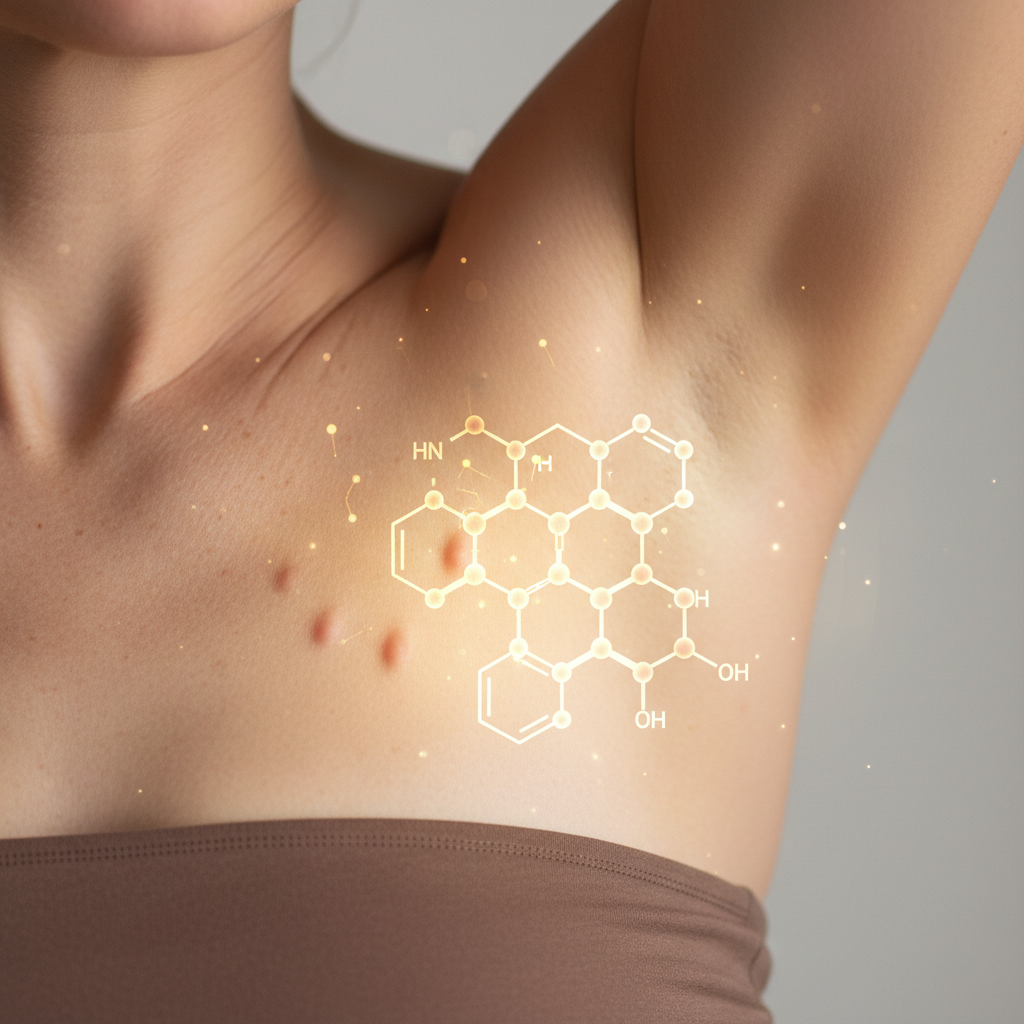
You are looking in the mirror, applying your favorite serum, when you feel it—a small, fleshy bump on your neck that wasn't there last month. Then you notice another under your arm, and perhaps a tiny one near your eyelid. While they are painless, these sudden additions to your skin can feel like an unwelcome side effect of aging. However, if you are in your 40s or early 50s, these aren't just "age spots."
In the medical world, these are known as acrochordons. While they are benign, their sudden appearance during the midlife transition often serves as a biological "check engine" light. There is a profound skin tags and perimenopause insulin resistance link that many women and even some primary care physicians overlook. Today, we are diving deep into why your skin is reacting to your internal hormonal shifts and how you can take control of your metabolic health to stop new growths in their tracks.
Why am I suddenly getting skin tags on my neck and torso?
It is common to dismiss skin tags as a simple friction issue. We are told they appear where clothing rubs against skin or where skin folds meet. While friction is a precipitating factor, it doesn't explain why a woman who has worn the same style of clothing for twenty years suddenly develops a dozen tags in a single year.
During perimenopause, your body undergoes a radical shift in sex hormone production. As estrogen and progesterone begin their erratic "rollercoaster" ride, your skin’s structure changes. Estrogen plays a vital role in collagen production and skin hydration; as it fluctuates, the skin can become thinner and more prone to irritation. However, the more sinister reason for sudden growths lies in your metabolic health.
Skin tags are frequently associated with the perimenopause symptoms checklist, appearing alongside weight gain around the midsection, fatigue, and night sweats. Research published via the National Institutes of Health (NIH) has long suggested that the presence of multiple skin tags is a strong clinical indicator of hyperinsulinemia—a state where your body has too much insulin circulating in the blood.
What is the biological link between skin tags and high insulin?
To understand why a hormone responsible for blood sugar would cause skin growths, we have to look at how insulin behaves when it’s out of balance. Insulin is an anabolic hormone, meaning it promotes growth. When you consume carbohydrates or sugar, your pancreas releases insulin to usher that glucose into your cells for energy.
In perimenopause, your cells can become "numb" to insulin—a state called insulin resistance. Because the cells aren't responding, the pancreas pumps out even more insulin to force the glucose in. This excess insulin doesn't just sit there; it interacts with receptors on your skin cells called Insulin-like Growth Factor 1 (IGF-1) receptors.
When insulin binds to these receptors, it triggers a rapid proliferation of skin cells (keratinocytes) and collagen-producing cells (fibroblasts). This overgrowth of tissue results in the small, pedunculated (stalk-like) bumps we recognize as skin tags. Essentially, a skin tag is a physical manifestation of your body trying to process an overload of growth signals. Understanding these perimenopause insulin resistance signs is the first step in addressing the root cause rather than just the symptom.
| Feature | Low Insulin Sensitivity (Resistance) | High Insulin Sensitivity (Healthy) |
|---|---|---|
| Skin Signs | Skin tags, Acanthosis Nigricans (dark patches) | Clear, even-toned skin |
| Energy Levels | Post-meal crashes, afternoon fatigue | Steady energy throughout the day |
| Weight | Weight gain around the abdomen | Stable weight/easy maintenance |
| Waist-to-Hip Ratio | Often > 0.85 | Generally < 0.80 |
| Blood Glucose | Frequently elevated or "high normal" | Stable between 70-90 mg/dL (fasting) |
Do hormonal shifts in your 40s make skin tags more likely?
The transition through perimenopause is characterized by a "widening gap" between estrogen and progesterone. Progesterone often drops first, leading to estrogen dominance, followed by an eventual decline in estrogen. This hormonal chaos directly impacts your metabolic flexibility.
Estrogen is actually a protective hormone for insulin sensitivity. According to the Endocrine Society, estrogen helps regulate how your body uses insulin and stores fat. As estrogen levels decline, women often find they can no longer "get away" with the same diet they had in their 30s. The body becomes more prone to storing visceral fat (the dangerous fat around organs), which itself secretes inflammatory cytokines that further worsen insulin resistance.
This creates a "perfect storm" for skin tags:
- Androgen Dominance: As estrogen drops, the relative level of androgens (like testosterone) may remain higher, which can stimulate skin cell growth.
- Cortisol Spikes: Perimenopause is a time of high stress, and cortisol (the stress hormone) directly raises blood sugar, requiring more insulin.
- Loss of Lean Muscle: Muscle is the primary "sink" for glucose. The natural loss of muscle mass in your 40s reduces your body's ability to clear sugar from the blood.
If you are also navigating conditions like Hashimoto's and perimenopause overlap, your metabolism may be even more vulnerable, as thyroid hormones are also key players in how you process energy.
Are skin tags a warning sign of pre-diabetes in women?
In a word: Yes. Many dermatologists now view multiple skin tags as a cutaneous marker for Metabolic Syndrome. According to the Mayo Clinic, metabolic syndrome is a cluster of conditions—increased blood pressure, high blood sugar, excess body fat around the waist, and abnormal cholesterol levels—that occur together, increasing your risk of heart disease, stroke, and type 2 diabetes.
Studies have shown that individuals with more than three skin tags have a significantly higher risk of having impaired fasting glucose or overt diabetes. In some clinical observations, the number of skin tags a patient has correlates directly with their BMI and their fasting insulin levels.
If you're noticing tags appearing on your neck, armpits, or groin, it’s time to look deeper than the skin's surface. This is particularly important if you are also experiencing widespread pain or fatigue, as conditions like fibromyalgia perimenopause symptoms can sometimes mask underlying metabolic dysfunction. Using skin tags as a diagnostic "clue" allows you to intervene years before a diabetes diagnosis might occur.
How can you improve insulin sensitivity to stop new growth?
The good news is that skin tags are often a reversible "warning." While the tags that have already formed usually need professional removal, you can absolutely stop new ones from appearing by addressing your insulin levels.
- Prioritize Protein and Fiber: Start every meal with protein (25–30 grams) and non-starchy vegetables. This blunts the glucose spike from your meal, requiring less insulin from your pancreas.
- Embrace Resistance Training: More muscle equals more glucose "docks." Lifting weights twice a week can significantly improve your insulin sensitivity by giving sugar a place to go.
- Manage the Nighttime Window: Intermittent fasting or simply stopping food intake 3 hours before bed allows insulin levels to drop overnight, giving your receptors a "rest."
- Consider Supplementation: Herbs like Berberine or minerals like Chromium have been studied for their ability to support healthy blood sugar levels.
- Explore HRT: For many, HRT for perimenopause beginners guide explains how replacing lost estrogen can help stabilize metabolic function and improve insulin response.
The Centers for Disease Control and Prevention (CDC) emphasizes that lifestyle interventions can reduce the risk of progressing to type 2 diabetes by over 50%. Your skin tags are simply the invitation to start that journey.
What are the safe ways to remove skin tags at home vs the dermatologist?
It is incredibly tempting to take matters into your own hands when you see a skin tag. However, the "home remedy" route can be risky.
At-Home Methods (Proceed with Caution)
- Over-the-Counter (OTC) Removal Kits: Some kits use ligation (small bands to cut off blood supply) or cryotherapy (freezing). These can work for very small tags, but they carry a risk of infection or scarring if not used properly.
- Natural Oils: Some people swear by Tea Tree Oil or Apple Cider Vinegar. While these can eventually dry out a tag, they often take weeks and can cause significant skin irritation (dermatitis) to the surrounding healthy skin.
Why the Dermatologist is Better
A dermatologist can remove skin tags in seconds using a few different methods:
- Cryotherapy: Liquid nitrogen is used to freeze the tag off.
- Electrosurgery: A high-frequency electrical current burns the tag away, which also cauterizes the spot to prevent bleeding.
- Snip Excision: After numbing the area, the doctor uses sterile surgical scissors to clip the tag at the base.
The most important reason to see a professional is verification. While you might think it's a skin tag, a trained eye or a biopsy can confirm it’s not a mole, a wart, or a more serious skin lesion. The American Academy of Dermatology recommends seeing a doctor for any new or changing skin growth.
A Note on Safety
Never attempt to "cut off" a skin tag at home with unsterilized tools. Skin tags have their own blood supply; cutting them can cause significant bleeding and opens a direct pathway for bacteria to enter your bloodstream, leading to cellulitis or other infections.
Summary: Listening to Your Skin
Your skin is the largest organ of your body, and it reflects your internal biochemistry. The skin tags and perimenopause insulin resistance link is a powerful reminder that our hormones do not exist in silos. Estrogen, progesterone, and insulin are all part of a delicate web.
If perimenopause has brought a crop of new skin tags, don't just reach for the concealer. Reach for your lab results. Request a fasting insulin test—not just a standard glucose test—from your provider. By stabilizing your blood sugar through diet, movement, and perhaps hormone replacement therapy, you aren't just clearing up your skin; you are protecting your long-term cardiovascular and metabolic health. You deserve to glow from the inside out, and that starts with understanding the messages your body is sending you.
FAQS
Q: Can losing weight make my skin tags go away naturally? A: Generally, once a skin tag has formed, it will not disappear on its own even if you lose weight or improve your insulin sensitivity. However, improving your metabolic health will stop new skin tags from forming and may help shrink the appearance of very tiny ones.
Q: Are skin tags contagious or caused by a virus? A: No, skin tags are not contagious. Unlike warts, which are caused by the Human Papillomavirus (HPV), skin tags are benign overgrowths of skin tissue linked to friction and metabolic factors like high insulin levels.
Q: Should I be worried if a skin tag changes color? A: Yes. While skin tags can sometimes turn black if they get twisted (cutting off their own blood supply), any growth that changes color, bleeds, or grows rapidly should be evaluated by a dermatologist to rule out skin cancer or other conditions.
Q: Does menopause hormone therapy (HRT) cause skin tags? A: Actually, it is usually the lack of estrogen or the presence of insulin resistance that leads to skin tags. By stabilizing hormones, HRT may actually help improve insulin sensitivity, thereby reducing the trigger for new skin tag growth.
Q: Why do I get skin tags specifically on my eyelids? A: The skin on the eyelids is very thin and subjected to constant movement and friction. When combined with high systemic insulin levels, this area becomes a prime target for the over-proliferation of skin cells.
Q: Does everyone with skin tags have diabetes? A: No. While there is a strong correlation between skin tags and insulin resistance (the precursor to diabetes), some people are genetically predisposed to them, or they may be caused by pregnancy hormones or simple mechanical friction. However, it is always worth checking your metabolic markers.
FAQ
Common questions
Can losing weight make my skin tags go away naturally?
Generally, once a skin tag has formed, it will not disappear on its own even if you lose weight. However, improving metabolic health stops new ones from forming.
Are skin tags contagious or caused by a virus?
No, skin tags are not contagious. Unlike warts (caused by HPV), skin tags are overgrowths linked to friction and insulin levels.
Should I be worried if a skin tag changes color?
Yes. While they may turn black if twisted, any growth that changes color, bleeds, or grows rapidly should be evaluated by a professional to rule out malignancy.
Does menopause hormone therapy (HRT) cause skin tags?
No, it's usually the lack of estrogen or insulin resistance that triggers them. HRT can actually improve insulin sensitivity and reduce new growth.
Why do I get skin tags specifically on my eyelids?
The eyelids have very thin skin and high friction. Combined with high systemic insulin, this makes them a common site for cell over-proliferation.
Does everyone with skin tags have diabetes?
No, but they are a clinical marker. While genetics and pregnancy play a role, multiple tags are a valid reason to check your fasting insulin and glucose levels.
Want this in your inbox each Sunday?
New articles, the science you can actually use, and the occasional rant.
Keep reading

Perimenopause Symptoms Checklist: 38 Signs You're Not Imagining
A comprehensive, doctor-reviewed checklist of perimenopause symptoms — from the obvious hot flashes to the weird ones nobody warned you about.
9 min read

Hashimoto's and Perimenopause: Why Symptoms Overlap (and How to Tell Them Apart)
Fatigue, brain fog, weight gain, hair loss — Hashimoto's and perimenopause share most symptoms. Here's how to tell what's flaring, what's hormonal, and what to ask your doctor.
11 min read

Fibromyalgia and Perimenopause: When Two Storms Collide
Why fibromyalgia almost always flares during perimenopause, what changes in your nervous system, and the small daily shifts that actually help.
10 min read