
Vaginal Dryness Treatments: From OTC to Prescription
Expert guide on vaginal dryness treatment options, covering hyaluronic acid, localized estrogen, DHEA, and laser therapy for Genitourinary Syndrome of Menopause.
Published:
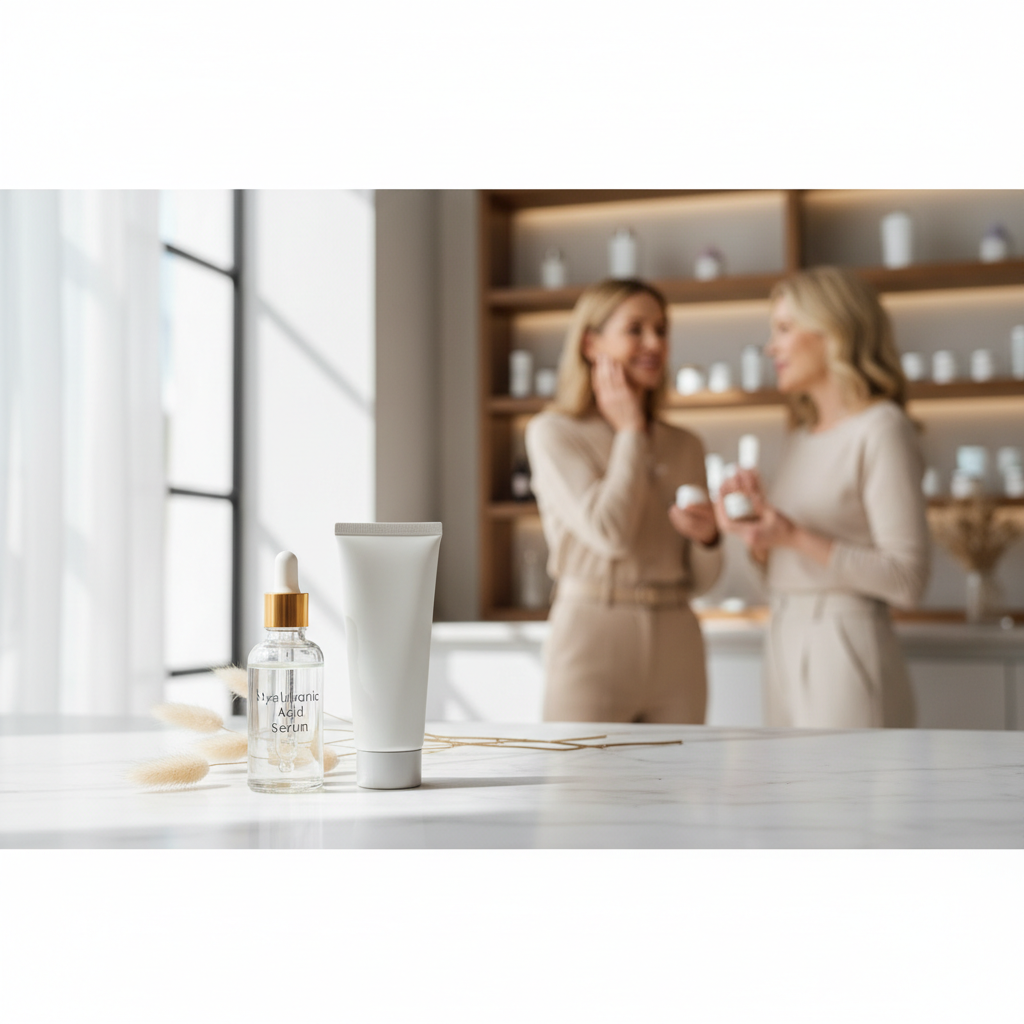
Dryness is often the "silent" symptom of the menopause transition. While hot flashes get all the press because they are loud and disruptive, vaginal atrophy—now more accurately called Genitourinary Syndrome of Menopause (GSM)—creeps up slowly. Unlike hot flashes, which eventually subside for most, GSM is chronic and progressive.
If you have noticed discomfort during exercise, a persistent "itchy" feeling that isn't a yeast infection, or pain during intimacy, you aren't imagining things. You are experiencing a physiological change in your tissue health that responds remarkably well to the right treatment. Here is your guide to navigating vaginal dryness treatment options, from the drugstore aisle to the specialist's office.
Why is GSM so frequently underdiagnosed?
Despite affecting up to 50% of postmenopausal women, GSM remains significantly underreported. Part of the problem is the nomenclature; "vaginal dryness" sounds like a minor inconvenience, but GSM encompasses changes to the labia, clitoris, vagina, urethra, and bladder.
The primary driver is the loss of estrogen. When estrogen levels drop during perimenopause, the vaginal walls become thinner, less elastic, and less vascular. The natural pH shifts from acidic to alkaline, which can alter your microbiome and leave you prone to UTIs.
Many women assume this is simply an inevitable part of aging. Furthermore, a study published in the Journal of Women's Health suggests that many healthcare providers fail to ask about sexual health or vaginal comfort during routine exams, leaving the burden of starting the conversation on you.
What should you know about hyaluronic acid moisturizers?
If you are early in your journey or prefer a non-hormonal starting point, OTC moisturizers are your first line of defense. It is important to distinguish between lubricants (used for activity) and moisturizers (used 2–3 times a week for tissue health).
The gold standard in non-hormonal care is Hyaluronic Acid (HA). HA is a naturally occurring molecule in your body that can hold up to 1,000 times its weight in water. When applied topically to the vaginal mucosa, it helps rehydrate the tissue and improve elasticity.
According to a randomized controlled trial, hyaluronic acid vaginal gel was found to be as effective as low-dose estrogen cream for the relief of vaginal dryness symptoms. When shopping, look for products that are:
- Paraben-free: To avoid disrupting delicate endocrine balance.
- Isotonic: Meaning the salt/sugar concentration matches your natural tissue to prevent further dehydration.
- Glycerin-free: If you are prone to frequent yeast infections.
Is vaginal estrogen safe for long-term use?
This is the most common question we hear. Because of the "Black Box" warnings associated with systemic Hormone Replacement Therapy (HRT), many women are terrified of vaginal estrogen. However, the North American Menopause Society (NAMS) clarifies that low-dose vaginal estrogen is minimally absorbed into the bloodstream.
In reality, the amount of estrogen absorbed from a year’s worth of localized vaginal cream is roughly equivalent to taking one single standard HRT pill. For most women, including many who cannot take systemic HRT, localized estrogen is considered the "gold standard" for GSM.
Common Vaginal Estrogen Formats
| Format | Description | Frequency |
|---|---|---|
| Cream (Estradiol) | Allows for application to the vulva and the internal canal. | Daily for 2 weeks, then 2x weekly. |
| Tablet (Vagifem) | A tiny pill inserted via a disposable applicator; less messy than cream. | 2x weekly. |
| Ring (Estring) | A soft flexible ring inserted for 90 days; provides a slow, steady release. | Replace every 3 months. |
If you are also navigating perimenopause symptoms like brain fog or weight gain, you may be considering systemic HRT for your perimenopause symptoms. While systemic HRT helps vaginal symptoms, many women find they still need localized treatment for complete relief.
What are DHEA inserts (Intrarosa)?
If you prefer an alternative to estrogen, Prasterone (Intrarosa) is a daily vaginal insert containing DHEA. DHEA is a precursor hormone that your body converts into both estrogens and androgens (testosterone) directly within the vaginal cells.
The beauty of DHEA is its "intracrine" action. Because the conversion happens inside the cells, there is no significant increase in circulating estrogen levels in the rest of the body. This makes it a popular choice for women who want to address tissue thinning and improve libido via androgen pathways without the mess of creams.
What is Ospemifene (Osphena)?
For those who find creams and inserts cumbersome or physically difficult to manage, Ospemifene is a once-daily oral pill. It is a Selective Estrogen Receptor Modulator (SERM).
Unlike systemic estrogen, which affects receptors throughout the body, Ospemifene has an "estrogen-like" effect specifically on the vaginal lining, making the tissue thicker and stronger. It is specifically FDA-approved for moderate to severe dyspareunia (painful intercourse).
Laser therapy: Hype vs. Evidence
You may have seen advertisements for "vaginal rejuvenation" using CO2 or Erbium:YAG lasers (such as MonaLisa Touch). These treatments work by creating microscopic "injuries" in the tissue, which triggers the body’s natural healing response and stimulates collagen production.
The evidence is mixed. While many women report significant improvement, the FDA issued a warning noting that these devices are not specifically cleared for "vaginal rejuvenation" and that long-term safety data is still being collected. It is also an out-of-pocket expense that can cost thousands of dollars. It may be a viable option for breast cancer survivors who cannot use any hormonal treatments, but it should be approached with caution and performed only by a board-certified gynecologist.
How to start the conversation with your doctor
Talking about vaginal health can feel vulnerable, but your provider is trained to handle this. If you are experiencing other inflammatory issues, like fibromyalgia symptoms, or if you are concerned about insulin resistance, your doctor should look at your health holistically.
- Be Specific: Document your symptoms. Does it burn when you wipe? Is it painful only during intercourse? Do you feel a "sandpaper" sensation when walking?
- Ask for a Visual Exam: Ensure your doctor looks at the tissue health of the labia and the vaginal opening, not just the cervix.
- Bring a List: Mention the treatments you've already tried (like OTC lubes) and why they weren't sufficient.
- Discuss Your History: If you have a history of Hashimoto's or thyroid issues, make sure your doctor understands your full endocrine profile before choosing a treatment.
Your comfort is not a luxury. The vaginal dryness treatment options available today mean that no woman has to "just live with" the discomfort of GSM. Whether you choose a high-quality hyaluronic acid moisturizer or a localized estrogen, the goal is the same: restoring your quality of life and your long-term urogenital health.
FAQ
Common questions
What is the difference between a vaginal moisturizer and a lubricant?
Vaginal moisturizers are used 2–3 times a week to maintain overall tissue hydration, whereas lubricants are used as needed strictly for sexual activity to reduce friction.
Is it safe to use vaginal estrogen long-term?
Yes. Most experts, including the North American Menopause Society, consider localized vaginal estrogen safe for most women because it is minimally absorbed into the bloodstream compared to systemic HRT.
Are there non-hormonal options that actually work?
Hyaluronic acid vaginal gels have been shown in clinical studies to be highly effective and are often comparable to low-dose estrogen for symptom relief.
How does Intrarosa (DHEA) differ from estrogen cream?
Intrarosa is a vaginal insert containing DHEA. It is unique because it is converted into both estrogen and testosterone locally within the vaginal tissues without increasing systemic hormone levels.
Is laser therapy (MonaLisa Touch) worth the cost?
While many patients report positive results, the FDA has issued cautions regarding 'vaginal rejuvenation' lasers due to a lack of long-term safety data and potential risks like scarring.
Want this in your inbox each Sunday?
New articles, the science you can actually use, and the occasional rant.
Keep reading

Perimenopause Symptoms Checklist: 38 Signs You're Not Imagining
A comprehensive, doctor-reviewed checklist of perimenopause symptoms — from the obvious hot flashes to the weird ones nobody warned you about.
9 min read

Hashimoto's and Perimenopause: Why Symptoms Overlap (and How to Tell Them Apart)
Fatigue, brain fog, weight gain, hair loss — Hashimoto's and perimenopause share most symptoms. Here's how to tell what's flaring, what's hormonal, and what to ask your doctor.
11 min read

Fibromyalgia and Perimenopause: When Two Storms Collide
Why fibromyalgia almost always flares during perimenopause, what changes in your nervous system, and the small daily shifts that actually help.
10 min read